Brain Tumor Surgery in China: How the Process, Cost, and Safety Work
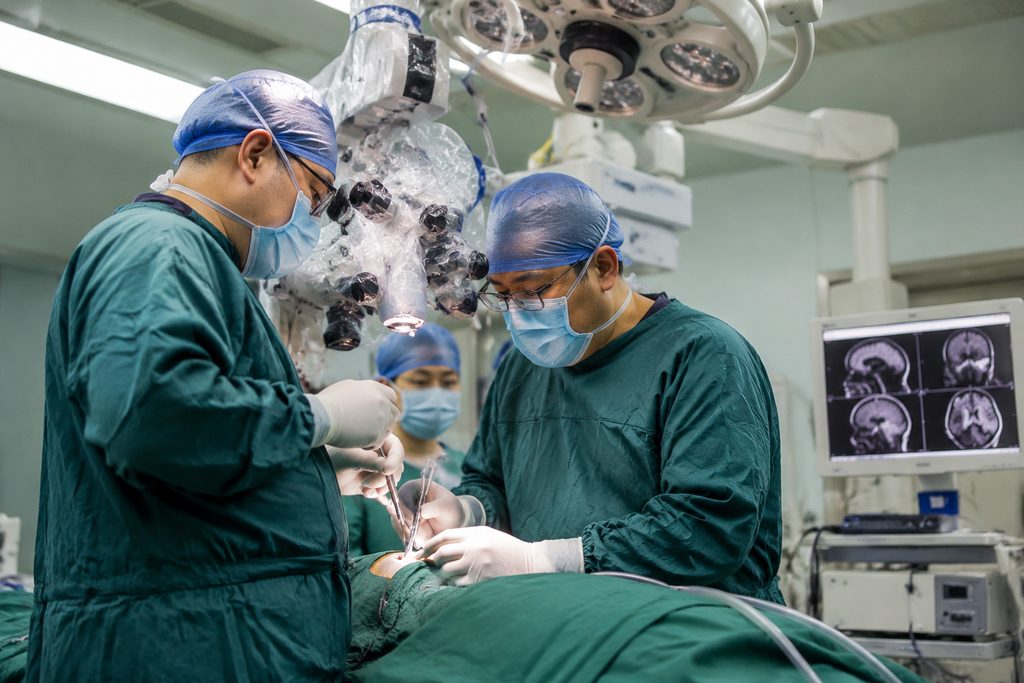
When 42-year-old Michael first heard the diagnosis—a 3.2 cm mass in his right temporal lobe—he had no idea where to start looking for treatment. His insurance capped out-of-network care. The earliest surgical consult near his home in Manchester was nine weeks away. He started searching for alternatives and typed a question thousands of patients ask every month: how does brain tumor surgery work in China? What he found surprised him. Not just lower costs, but a system built around surgical volume that few Western hospitals can match.
The brain tumor surgery cost China question comes up constantly in our work with international patients. It’s rarely the only question. Patients also ask about safety, surgeon experience, and whether they can actually book a procedure from overseas. This guide answers all of that, step by step, without the sales talk.
Key Takeaways
- Brain tumor surgery at top Chinese neurosurgery centers typically costs $15,000–$35,000, roughly one-fifth to one-third of US prices.
- China’s leading neurosurgery departments perform 3,000–6,000 brain tumor resections annually per hospital, volumes that correlate with better outcomes.
- Foreign patients cannot book surgery directly from abroad through standard public hospital channels—a formal in-person consultation is mandatory first.
- The S2 visa is the correct category for medical treatment in China; the M visa is for commercial trade only and does not apply to healthcare travel.
The Problem: A Diagnosis That Doesn’t Wait for Bureaucracy
Gliomas, meningiomas, and pituitary adenomas don’t respect waiting lists. The median time from brain tumor diagnosis to craniotomy in the UK’s NHS was 33 days in 2023, according to the National Brain Tumour Registry. In Canada, patients wait a median of 4–6 weeks for neurosurgical consultation alone. In the United States, the bottleneck is often financial: an uninsured or underinsured craniotomy can exceed $100,000 at major academic centers.
That’s the reality for approximately 1 in 8 people diagnosed with a primary brain tumor who face either clinical delays or financial catastrophe. And every month of waiting carries measurable risk. A 2021 study in Neuro-Oncology found that surgical delay beyond 30 days for high-grade gliomas was associated with a 12% higher risk of tumor progression at 6 months.
Michael’s situation wasn’t rare. It was structural.
Why China’s Neurosurgery System Delivers Results
China operates more than 35,000 hospitals. The top 5%—about 340 institutions ranked by Fudan University’s hospital rankings and JCI accreditation—handle a disproportionate share of complex neurosurgical cases. That concentration creates something valuable: repetition.
Clinical Volume Drives Better Outcomes
At Beijing Tiantan Hospital‘s neurosurgery department, surgeons perform more than 15,000 neurosurgical procedures annually, including over 6,000 brain tumor resections. By comparison, a high-volume US academic center might perform 800–1,200 brain tumor surgeries per year. The volume-outcome relationship in neurosurgery is well documented: a 2019 analysis in JAMA Surgery found that hospitals performing more than 50 glioma resections annually had 30-day mortality rates 40% lower than low-volume centers.
Shanghai’s Huashan Hospital neurosurgery department operates 24 neurosurgical operating rooms and handles roughly 5,000 brain tumor cases per year. That’s not a marketing claim—it’s the operational reality of a system built for scale.
Technology and Efficiency at Scale
Chinese neurosurgery departments have adopted intraoperative MRI, 5-ALA fluorescence-guided resection, awake craniotomy protocols, and neuro-navigation as standard equipment. What differs from Western hospitals is workflow: patients typically receive MRI within 24 hours of arrival, surgical scheduling happens within days of the formal consultation, and post-operative ICU monitoring is integrated into the same hospital campus.
That compression of timelines matters. At China Medical Services, we regularly see international patients go from first remote consultation to surgery date in 3–5 weeks, including visa processing.
Cost Advantage Without Quality Compromise
Why is the brain tumor surgery cost China so much lower? Three structural reasons. First, labor economics: a senior neurosurgeon’s salary in China is a fraction of a US neurosurgeon’s $700,000+ annual compensation. Second, hospital efficiency: single-payer-style public pricing and high patient throughput reduce per-case overhead. Third, device pricing: many surgical navigation systems and microscopes are manufactured domestically, cutting equipment costs.
None of these factors touches clinical quality. The Fudan rankings evaluate clinical reputation, research output, and peer assessment—not cost.
How Brain Tumor Surgery Is Performed in China: The Step-by-Step Process
The surgical techniques used in Chinese neurosurgery departments mirror international standards: craniotomy with microsurgical resection, endoscopic transsphenoidal surgery for pituitary tumors, and stereotactic biopsy for deep-seated lesions. But the patient journey differs from what many Western patients expect.
Remote Evaluation First
Before you book a flight, the process starts with a written second opinion or video consultation. You send existing MRI/CT scans, pathology reports, and medical history. A Chinese neurosurgery team reviews them and provides a written assessment: whether surgery is indicated, what approach they recommend, and whether they can take your case. This step costs $300–$800 depending on the specialist tier and is credited toward on-the-ground coordination if you proceed within 90 days.
In-Person Consultation and Admission
Chinese public hospitals require a formal in-person consultation before scheduling surgery. There’s no way around this—it’s hospital policy, not bureaucracy for its own sake. The neurosurgeon needs to examine you, review imaging on hospital systems, and sign off on the surgical plan. For international patients, this typically happens through the hospital’s international department, which provides English-speaking coordinators.
Surgery and Hospital Stay
A standard craniotomy for tumor resection takes 3–6 hours. Post-operative ICU monitoring runs 24–48 hours. Total hospital stay ranges from 7–14 days depending on tumor location and complexity. Awake craniotomy for tumors near language or motor areas is available at major centers, with intraoperative language mapping performed by bilingual neuropsychologists at some international departments.
Recovery and Follow-Up
Most international patients stay in China for 2–4 weeks after discharge for wound checks and initial follow-up imaging. After returning home, ongoing monitoring can be coordinated with your local neurologist, with remote review of follow-up scans by the Chinese surgical team if needed.
Is Brain Tumor Surgery Safe in China Hospitals? What the Data Shows
Safety is the question every patient asks, and it deserves a straight answer. Chinese public hospitals operate under the National Health Commission’s hospital accreditation system. Top-tier institutions—the 340+ in our network—submit to JCI accreditation or China’s own rigorous Grade III-A hospital review. Infection control, surgical safety checklists, and adverse event reporting are mandated.
What does that translate to in practice? At Beijing Tiantan Hospital, the 30-day mortality rate for elective brain tumor resection is below 1.5%, comparable to major Western centers. At Huashan Hospital in Shanghai, the rate is similar. But here’s what we tell every patient: safety depends on hospital selection. A provincial hospital with low neurosurgical volume will not deliver the same outcomes as a Fudan top-10 neurosurgery department. That’s why hospital matching matters more than country selection.
For patients asking specifically about the best neurosurgeon for brain tumor in Shanghai, the answer usually points to Huashan Hospital’s neurosurgery department, ranked among China’s top 3 for neurosurgery in the Fudan specialty rankings. Shanghai also offers strong alternatives at Ruijin Hospital and Zhongshan Hospital. Each has international patient departments with English-speaking coordinators.
Brain Tumor Surgery Cost China: Real Numbers for International Patients
Let’s talk actual figures. The brain tumor surgery cost China varies by hospital tier, tumor complexity, and whether you use the public international department or a private international hospital. Here’s what international patients typically pay:
| Procedure | China (International Dept) | China (Private Int’l Hospital) | United States (Uninsured) |
|---|---|---|---|
| Craniotomy for glioma resection | $15,000–$25,000 | $30,000–$50,000 | $80,000–$150,000 |
| Endoscopic pituitary tumor removal | $10,000–$18,000 | $20,000–$35,000 | $60,000–$110,000 |
| Stereotactic biopsy | $5,000–$9,000 | $8,000–$15,000 | $25,000–$45,000 |
| Post-op ICU (per day) | $800–$1,500 | $1,500–$2,500 | $5,000–$10,000 |
These prices are for the hospital portion only—surgery, anesthesia, ICU, standard ward, and basic imaging. They exclude travel, accommodation, and coordination services. Every case is different: a complex skull-base meningioma requiring 10 hours of surgery and extended ICU care will cost more than a straightforward convexity meningioma. We always tell patients to budget 20–30% above the quoted hospital estimate for contingencies.
For those exploring medical tourism brain tumor treatment China, the cost equation typically works like this: even with flights, accommodation for 4–6 weeks, and coordination fees, total out-of-pocket costs land at 30–50% of US self-pay prices. That’s the number that makes patients book a consultation.
Booking Brain Tumor Surgery in Beijing: What International Patients Need to Know
Can you book brain tumor operation Beijing hospital from your living room? Partially. Here’s the honest sequence:
Step one: remote evaluation. You send your records; the hospital’s neurosurgery team reviews them and confirms they can treat you. This step is essential—no reputable Chinese hospital will schedule surgery without first reviewing imaging.
Step two: visa. You apply for an S2 visa with a medical treatment annotation. The hospital’s international department issues an invitation letter and treatment confirmation. Processing typically takes 1–3 weeks, depending on your home country’s Chinese embassy or consulate. The S2 visa allows short stays for medical treatment and private affairs. Family members accompanying you apply for their own S2 visas.
Step three: arrival and in-person consultation. You meet the neurosurgeon, complete any additional imaging (usually a fresh MRI within 48 hours), and sign surgical consent. Surgery is typically scheduled within 3–7 days of this consultation.
Step four: admission and surgery. The hospital’s international department handles admission paperwork, payment deposits, and ward assignment. You’ll need to prepay the estimated surgical cost—public hospitals in China do not bill insurance directly for international patients. You pay, then seek reimbursement from your insurer.
Step five: post-operative care and discharge. After discharge, you’ll have follow-up appointments before returning home. Some patients choose to recover in a serviced apartment near the hospital for 1–2 weeks before flying.
Practical tip: If you’re comparing hospitals, look at the Fudan neurosurgery specialty ranking, not just the overall hospital ranking. A hospital can be top-20 overall but unremarkable in neurosurgery. For brain tumors, the specialty ranking is what matters.
Choosing Between Beijing and Shanghai for Neurosurgery
Both cities host world-class neurosurgery departments. Beijing’s advantage is depth: Tiantan Hospital and Xuanwu Hospital are both ranked among China’s top 5 for neurosurgery. Shanghai’s advantage is international infrastructure: Huashan Hospital and Ruijin Hospital have long histories of treating foreign patients, with more English-speaking staff and smoother international department workflows.
Beijing tends to be slightly less expensive for hospital fees. Shanghai tends to be more convenient for first-time visitors to China, with better English signage and more international amenities. For best neurosurgeon for brain tumor in Shanghai searches, Huashan’s department is the usual answer, but Ruijin’s skull-base surgery team is also highly regarded.
Neither city is a wrong choice. The right choice depends on your specific tumor type, your budget, and your comfort with navigating a Chinese-speaking environment.
Practical Considerations: Documentation, Visas, and Payment
Here’s what you’ll need to prepare before starting the process:
Medical records: All prior imaging (MRI, CT, PET) on CD or via secure upload, pathology reports if a biopsy was done, a summary letter from your current neurologist or oncologist, and a list of current medications. Hospitals in China will want original imaging files, not just printed reports.
Visa: The S2 visa is the correct category for medical treatment. You’ll need the hospital’s invitation letter, a treatment plan confirmation, proof of funds, and a valid passport with at least 6 months remaining. The S2 visa typically allows stays of 30–90 days per entry, which covers most surgical cases. For treatment requiring longer stays, an S1 visa may apply.
Payment: Chinese public hospitals require prepayment for estimated surgical costs. International departments accept wire transfers and major credit cards. Private international hospitals like United Family and Jiahui often bill international insurers directly—if you have coverage, check whether your policy includes direct billing agreements with specific Chinese hospitals.
Language: Even at hospitals with international departments, the surgical team and nursing staff primarily speak Mandarin. The international department provides translation for consultations and consent, but day-to-day communication on the ward can be challenging without a bilingual companion. That’s a service we provide—from $300 per day for a full-day bilingual medical companion who handles translation, coordination with nurses, and navigation.
Aftercare: Before you leave China, get a full discharge summary in English, copies of all post-operative imaging, and a medication plan. Your local neurologist will need these. Some Chinese neurosurgery teams offer remote follow-up consultations at no charge for 90 days post-surgery; ask about this before discharge.
Frequently Asked Questions
At top-tier hospitals—those ranked in the Fudan top 100 or holding JCI accreditation—safety standards are comparable to Western academic centers. The key is hospital selection. A Fudan top-10 neurosurgery department will have 30-day mortality rates below 1.5% for elective resections. A low-volume provincial hospital will not. We only work with the top 5% of Chinese hospitals for this reason.
Expect to pay $15,000–$35,000 at a top public hospital’s international department, versus $80,000–$150,000 for comparable surgery in the US without insurance. Private international hospitals in China charge $30,000–$50,000. These are hospital fees only; add 20–30% for travel, accommodation, and coordination.
You can secure a surgical slot through remote evaluation and the hospital’s international department, but you cannot skip the in-person consultation. Chinese public hospitals require the surgeon to examine you and sign off on the plan in person before surgery is scheduled. The remote step confirms they’ll take your case; the in-person step confirms the surgical plan.
You need an S2 visa annotated for medical treatment. The hospital’s international department issues the invitation letter. Your accompanying family members apply for their own S2 visas. Do not apply for an M visa—that’s for commercial and trade activities, not medical care.
Chinese hospitals carry mandatory medical liability insurance, and international departments have protocols for managing complications. You’ll sign a consent form that outlines known risks. If a complication requires extended care, your hospital deposit covers it, and you’ll be billed for any additional costs beyond the estimate. We recommend that all international patients carry medical travel insurance that covers complications and extended stays.
Your Next Step
Brain tumor surgery in China isn’t the right choice for everyone. But for patients facing long waits at home or unmanageable costs, it’s a serious option backed by real surgical volume and transparent pricing. We’re not a hospital and we don’t provide diagnoses. What we do is help you understand whether Chinese neurosurgery is a fit for your case, connect you with the right department, and handle the logistics if you decide to proceed.
If you
For more medical information and treatment options in China, visit chinamedservices.com (China Medical Services).
