Oxygen After Heart Surgery in China: What Recovery Really Looks Like
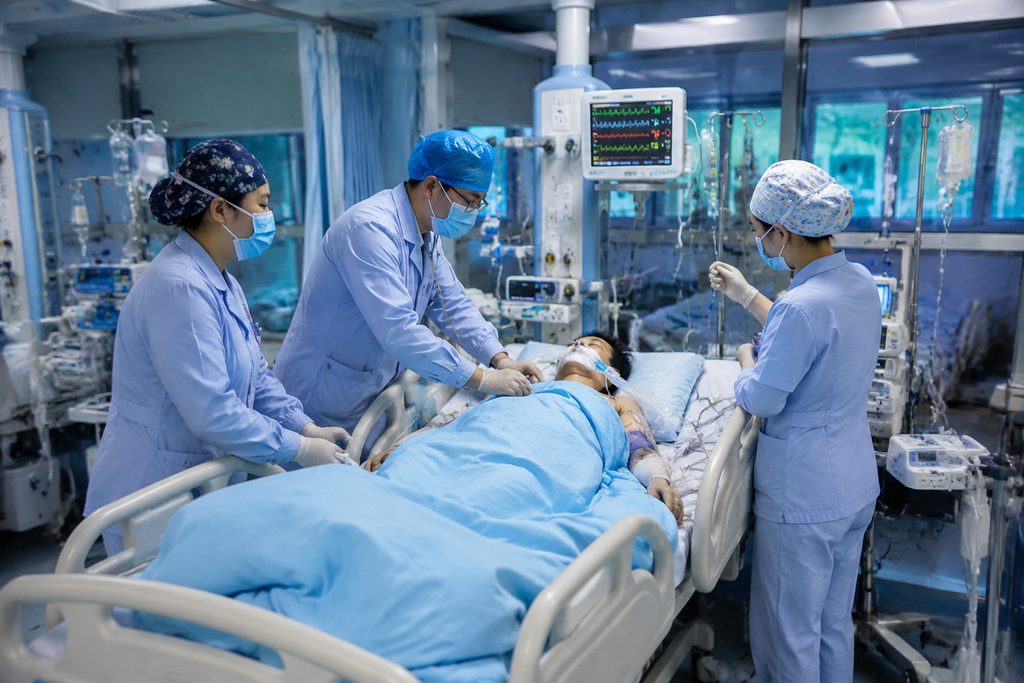
Will I Need Oxygen After Heart Surgery? Understanding Post-Op Respiratory Support in China
Most patients do require some form of supplemental oxygen after heart surgery. The real question is not if, but for how long and at what intensity. If you are weighing the oxygen after heart surgery China cost against Western hospitals, the answer involves more than a daily rate. It involves understanding how Chinese cardiac centers manage extubation, respiratory weaning, and early mobilization. The numbers matter. A patient paying $5,000 per day in a US cardiac ICU versus one paying $800 per day at a top Chinese cardiac center will experience different financial pressure during the same 48-hour oxygen weaning window.
This guide explains what determines oxygen needs after cardiac surgery, what the recovery timeline looks like, and how Chinese hospitals structure respiratory support. We will also address the practical question of what international patients should expect regarding costs and coordination.
Key Takeaways
- Nearly all patients leave the operating room on supplemental oxygen; most are weaned to room air within 24 to 72 hours after uncomplicated cardiac surgery.
- Fuwai Hospital in Beijing performs over 14,000 cardiac surgeries annually, giving its ICU teams extensive experience in rapid respiratory weaning protocols.
- The cost of post-operative oxygen and ICU monitoring at top Chinese cardiac centers typically runs 70-80% below comparable US charges, though final figures vary by hospital and case complexity.
- You cannot book surgery remotely as an international patient; you must first complete a formal evaluation, often starting with a written second opinion or video consultation.
The Problem: Post-Operative Oxygen Is Invisible on the Bill Until It Isn’t
Cardiac surgery is a controlled trauma to the body. The heart-lung machine takes over circulation while surgeons work on a still heart. When the machine is disconnected, the lungs must resume full function. That transition is rarely instantaneous. Fluid shifts, micro-atelectasis, and the lingering effects of anesthesia all reduce oxygen saturation. So the anesthesiologist keeps the patient intubated and on mechanical ventilation for a period after chest closure. Extubation happens when the patient is hemodynamically stable, awake enough to protect their airway, and able to maintain adequate oxygenation with reduced ventilator support.
In the United States, a typical uncomplicated CABG patient spends 1 to 2 days in the ICU. Each ICU day carries a charge between $4,000 and $7,000, not including the procedure itself. Oxygen therapy is bundled into that daily rate, but the rate is the point. In China, a top-tier cardiac ICU bed at a public hospital’s international department runs between $500 and $1,200 per day. The clinical protocols are similar. The financial exposure is not.
But here is what most patients miss: the length of oxygen support is not random. It is a function of surgical complexity, pre-existing lung function, and the hospital’s extubation culture. Some centers extubate fast — within 4 to 6 hours of surgery. Others wait until the next morning. Both can be appropriate. What matters is that the team has enough volume to recognize when a patient is ready and enough confidence to act.
Why Chinese Cardiac Centers Deliver Results on Respiratory Recovery
Clinical Volume Drives Faster, Safer Weaning
Fuwai Hospital in Beijing is the highest-volume cardiac surgery center in the world. More than 14,000 operations per year. That is roughly 38 surgeries per day, every day. The ICU teams there manage more post-sternotomy patients in a month than many Western hospitals manage in a year. Volume breeds pattern recognition. A nurse who has extubated 2,000 cardiac patients knows what readiness looks like. A respiratory therapist who has weaned 500 patients off supplemental oxygen understands the difference between transient desaturation and genuine respiratory failure.
Compare that to a regional US hospital performing 200 cardiac surgeries annually. The team is competent. But the depth of experience is different. For a patient worried about how long on oxygen after heart bypass surgery, the answer depends heavily on where the surgery happens and how practiced the weaning team is.
Standardized Fast-Track Protocols
Chinese cardiac centers have adopted fast-track cardiac anesthesia protocols that originated in the West but have been refined at scale. The goal: extubate within 6 hours of surgery when clinical criteria are met. These protocols include short-acting anesthetic agents, early reversal of neuromuscular blockade, and aggressive fluid management. The result is shorter ventilator time, which directly reduces the duration of oxygen supplementation.
Shanghai’s Zhongshan Hospital, affiliated with Fudan University, is another high-volume center. Its cardiac surgery department ranks among China’s top programs and handles complex valve and aortic cases. Patients researching heart surgery recovery oxygen requirements Shanghai will find that the city’s top hospitals follow similar fast-track principles, with ICU teams experienced in managing both domestic and international patients through the weaning process.
Cost Advantage Without Quality Compromise
The structural reasons Chinese hospitals cost less are not mysterious. Physician salaries are lower. Hospital construction and equipment costs are amortized differently. Nursing ratios in ICUs are comparable to Western standards. The savings do not come from cutting corners on oxygen or monitoring. They come from labor economics and operational efficiency. A CABG that costs $120,000 in the US might cost $12,000 to $20,000 at a top Chinese public hospital. The oxygen, the ventilator, the arterial line — all the same equipment. The price difference is in the system, not the supplies.
That said, international patients should understand that they will access these hospitals through the international department or VIP channel. That means prices run 1.5 to 2 times the standard public rate. Even at double, the total is still a fraction of Western charges. The key is knowing what you are paying for: case management, English-speaking coordination, and a smoother path through a massive hospital system.
What the Oxygen Timeline Actually Looks Like After Cardiac Surgery
Let’s walk through a typical uncomplicated CABG or valve replacement at a top Chinese cardiac center. The timeline below reflects common practice, not a guarantee. Individual recovery varies by age, lung function, and surgical complexity.
Day 0 — Surgery and ICU Admission. The patient arrives in the ICU intubated and sedated. Mechanical ventilation provides 40-60% oxygen. Arterial blood gases are checked frequently. The goal is stability, not speed.
Hours 2-6 — Extubation Window. If the patient is warm, hemodynamically stable, and breathing spontaneously on minimal ventilator support, the team may extubate within 4 to 6 hours. After extubation, the patient transitions to a face mask or nasal cannula delivering 2-6 liters of oxygen per minute.
Day 1 — Weaning Begins. Oxygen saturation is monitored continuously. If saturation stays above 94% on lower flow rates, the team reduces oxygen step by step. Most patients are on 2-3 liters by the end of day one. Chest physiotherapy begins. Deep breathing exercises with an incentive spirometer are standard.
Day 2 — Room Air Trial. Many patients are weaned to room air within 48 hours. Some remain on 1-2 liters at night for comfort. The arterial line and central line may be removed. The patient transfers from ICU to a step-down unit.
Days 3-7 — Monitoring and Mobilization. Oxygen is typically discontinued entirely. Walking begins. Pulmonary function improves as fluid mobilizes and atelectasis resolves. Discharge planning starts.
For patients with pre-existing COPD, obesity, or prolonged bypass times, the timeline stretches. Some need oxygen for 5 to 7 days. A small minority need home oxygen temporarily. But for the typical patient, oxygen support after heart surgery is measured in days, not weeks.
Comparing Oxygen Support and ICU Care: China vs. United States vs. Europe
| Factor | China (Top Public Hospital, International Dept.) | United States | United Kingdom / Europe |
|---|---|---|---|
| Typical ICU stay after CABG | 1-2 days | 1-2 days | 1-3 days |
| Duration of supplemental oxygen | 24-72 hours (uncomplicated) | 24-72 hours (uncomplicated) | 24-96 hours (uncomplicated) |
| ICU daily cost (international patient) | $500-$1,200 | $4,000-$7,000 | $2,500-$4,500 |
| Total CABG cost (approximate) | $12,000-$20,000 (public international dept.) | $120,000+ | $40,000-$70,000 |
| Extubation protocol | Fast-track, 4-6 hours when criteria met | Fast-track, 4-6 hours when criteria met | Variable, often next morning |
Prices are approximate ranges and vary by hospital and case complexity. They reflect international department or self-pay rates, not domestic Chinese insurance pricing.
Who Should Not Fly to China for Cardiac Surgery
Honesty matters here. China’s top cardiac centers are excellent. But they are not the right choice for every patient. If you are unstable, actively decompensating, or require emergency surgery, you should not board a long-haul flight. The right candidate for cardiac surgery with post-op oxygen China is a patient who is stable enough to travel, has a clear diagnosis, and wants a planned procedure at a high-volume center.
Patients with complex congenital heart disease requiring multiple staged surgeries should think carefully about continuity of care. Returning to your home country for follow-up is possible, but the surgical team that operated on you is in China. That distance is real. Video follow-up is feasible. Emergency follow-up is not.
Also consider language and cultural adjustment. The international departments at Fuwai, Zhongshan, and similar hospitals have English-speaking staff. But the moment you step outside that department, the hospital operates in Mandarin. A bilingual medical companion — someone who handles registration, queueing, translation, and navigation — is not a luxury in this context. It is a practical necessity for most Western patients.
Practical Considerations: Oxygen, Records, Visas, and Payment for International Patients
If you are seriously considering heart surgery with post-op oxygen China, here is what you need to know about the logistics.
Medical records. You will need a complete set: echocardiogram reports, coronary angiography images and reports, recent blood work, ECG, and any prior surgical notes. These must be translated into Chinese for the hospital’s review. Our team handles translation and submission as part of case management.
Visa. The correct visa category for medical treatment in China is the S2 visa, annotated for medical purposes. Family members accompanying you also apply for S2. The M visa is for commercial and trade activities and is not appropriate for medical travel. Processing time varies by embassy, so plan at least 4-6 weeks ahead. The hospital’s invitation letter is a required supporting document.
Payment. Chinese public hospitals require prepayment. International departments typically accept major credit cards and international wire transfers. Private international hospitals like United Family or Jiahui may bill your insurance directly. Public hospital international departments generally do not — you pay upfront and seek reimbursement from your insurer afterward. Confirm this with your insurer before committing.
Oxygen and ICU costs. Oxygen therapy itself is inexpensive in China. The cost driver is the ICU bed and monitoring. Ask for an itemized estimate before surgery. Reputable international departments provide this. If a hospital refuses to give you a written estimate, that is a red flag.
After discharge. Most patients stay in China for 1 to 2 weeks after discharge for wound checks and early follow-up before flying home. Your surgeon will provide a discharge summary and medication list in English. Keep copies of everything. Your home cardiologist will need them.
Frequently Asked Questions
Almost certainly yes, at least immediately after surgery. The question is duration. Most uncomplicated patients are weaned to room air within 24 to 72 hours. Patients with pre-existing lung disease or complex procedures may need oxygen for several days longer.
Oxygen itself is a minor charge. The real cost is the ICU bed and monitoring. At a top Chinese public hospital’s international department, expect $500 to $1,200 per ICU day. A comparable US ICU day runs $4,000 to $7,000. The total cost of CABG in China is roughly one-fifth to one-tenth of the US price.
Your surgical team will manage it. Extended oxygen need is not a failure; it is a clinical finding. Chinese cardiac ICUs are equipped for prolonged respiratory support, including non-invasive ventilation and high-flow nasal cannula. Your cost estimate should include a buffer for extra ICU days. Ask about this before surgery.
No. Chinese public hospitals require a formal evaluation before scheduling surgery. The practical path is to start with a written second opinion or video consultation. The hospital reviews your records, confirms you are a surgical candidate, and then coordinates a surgery date. This protects you from flying to China only to discover you are not a candidate.
At top-ranked centers like Fuwai Hospital and Zhongshan Hospital, yes. These hospitals perform thousands of cardiac surgeries annually with outcomes that match international benchmarks. The international departments are designed for foreign patients, with English-speaking staff and Western-style communication. The standard of nursing care in cardiac ICUs is high. What differs is the system around the medicine — language, payment, navigation — not the medicine itself.
Your Next Step
Oxygen after heart surgery is a temporary support, not a permanent condition. The right hospital makes the weaning process faster and safer. If you are evaluating oxygen after heart surgery China cost against Western options, start with information, not a flight booking. China Medical Services helps international patients connect with top-ranked Chinese cardiac centers, coordinate records review, and plan the logistics. We are not a hospital and we do not provide diagnoses. We are the bridge between you and the medical expertise you need. Request a free consultation to discuss your case and see if treatment in China is the right path for you.
For more medical information and treatment options in China, visit chinamedservices.com (China Medical Services).
