Transport: Handling Delays and Changes for Medical Travel to China
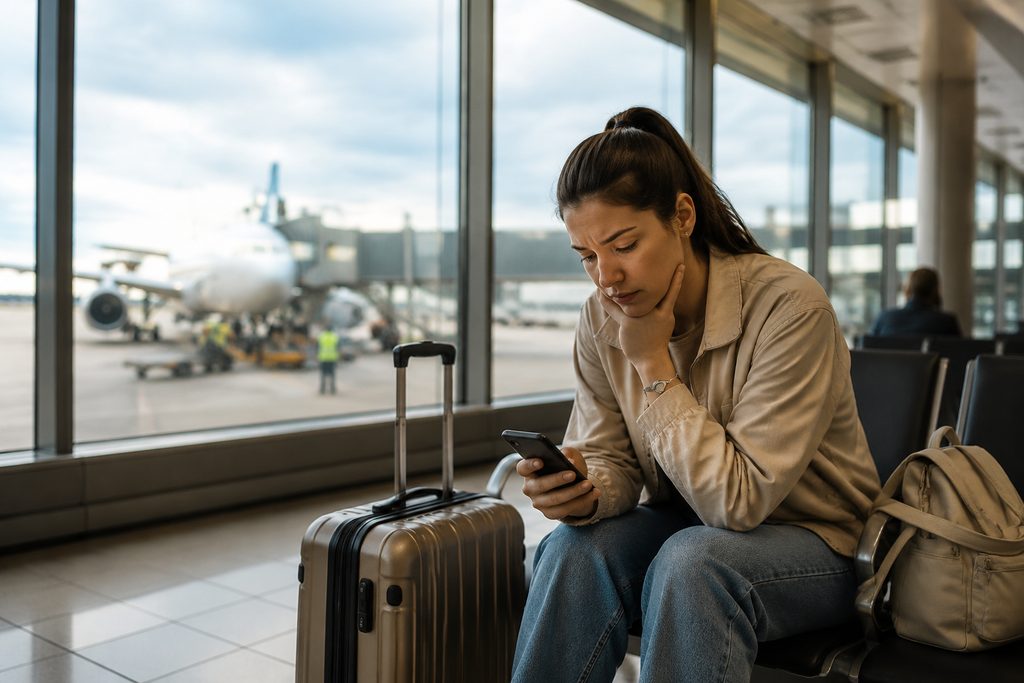
While patients in Canada wait a median 28.6 weeks for orthopedic surgery, surgeons at Beijing Jishuitan Hospital routinely perform over 300 joint replacements per month — with clinical outcomes that match or exceed Western benchmarks. That contrast drives thousands of patients to book flights to China each year. But what happens when the flight itself becomes the obstacle? A delayed connection in Doha, a last-minute visa change, a hospital that postpones a surgery date — these disruptions hit differently when a treatment plan hangs in the balance.
This article covers exactly how to handle transport delays and changes for medical travel to China, including medical tourism China flight delay compensation options, rescheduling protocols, and the practical steps that keep a disrupted trip from becoming a canceled one.
Transport Delays and Changes: The Short Answer
Most flight delays on international routes to China are manageable if you act within the first two hours. Airlines flying into Beijing, Shanghai, and Guangzhou are bound by both their own conditions of carriage and, for EU carriers, EC 261/2004 rules — though the latter only applies to EU-registered airlines on departures from EU airports. For US carriers, DOT regulations require refunds for cancellations or significant delays regardless of cause. The practical answer: document everything, contact your hospital coordinator immediately, and know that most Chinese hospital international departments will shift appointment slots by 1–3 days without penalty if notified before the original time.
The caveat: surgery slots are not appointment slots. A delayed flight that pushes you past a confirmed operating room booking can mean weeks of waiting for the next available date. That is the difference between a nuisance and a genuine problem.
Who This Is Right For — and Who It Isn’t
Planning for transport disruption is worth serious effort for patients in specific situations. But not everyone needs the same level of preparation.
Who should build in buffer days and disruption planning:
- Patients scheduled for surgery with a fixed operating room date — cardiac, orthopedic, oncologic procedures where the surgeon’s calendar is booked months out
- Anyone traveling on a single-entry S2 visa with a narrow validity window
- Patients connecting through airports with known congestion or weather risk (Istanbul, Doha, Frankfurt in winter, Hong Kong in typhoon season)
- Those bringing a family member as a caregiver — two people’s documents, two seats, two sets of delays
Who can travel with less buffer:
- Patients coming for consultations, second opinions, or video conference follow-ups — these are reschedulable with 24–48 hours’ notice
- Those on flexible itineraries with no confirmed procedure date
- Travelers using private international hospitals like United Family or Jiahui, which typically offer more flexible rescheduling windows
If you are coming for a written second opinion or an initial evaluation, a one-day delay is an inconvenience. If you are coming for a Fuwai Hospital cardiac surgery slot, it can be a calendar event. Knowing which category you fall into determines how aggressively you plan.
The Options, Compared
When transport falls apart, you have four realistic responses. Each has a different cost, speed, and risk profile.
| Option | Typical Cost | Speed to Resolution | Best For | Main Risk |
|---|---|---|---|---|
| Airline rebooking (same carrier) | $0–200 change fee | 2–6 hours | Delays under 24 hours | No guaranteed seat class; may split family bookings |
| Buy new ticket on different carrier | $400–1,800 one-way | Same day | Missed connections; airline bankruptcy; visa expiring | Non-refundable; original ticket may be forfeited |
| Hospital reschedule (international dept.) | $0–150 admin fee | 1–3 business days | Consultations, follow-ups, non-urgent imaging | Surgery slots may shift weeks, not days |
| Proxy consultation service | from $300 | 24–48 hours | When you cannot travel at all but need the specialist’s input | No physical exam; some hospitals require in-person first visit |
The right column depends on your treatment stage. A patient coming for a first oncology consultation can absorb a two-day delay without clinical consequence. A patient scheduled for a Whipple procedure at Zhongshan Hospital cannot. Our team has seen both scenarios: the first resolves with a phone call, the second requires reworking the entire itinerary. Before you book, ask your hospital contact one question: “If my flight lands 24 hours late, does my procedure date move?” The answer tells you everything about how much buffer you need.
What Actually Happens When Your Surgery in China Is Postponed
This is the question behind every transport worry: what happens if my surgery in China is postponed? The honest answer depends on the hospital tier and the reason for postponement.
In public hospital international departments, postponements initiated by the hospital are rare but not unheard of. A surgeon called to a national emergency, a sudden ICU bed shortage, an unexpected equipment failure — these happen in every health system on earth. What differs in China is the response speed. Top-tier hospitals like Peking Union Medical College Hospital and Ruijin Hospital typically rebook postponed surgeries within 5–10 days, often compressing the pre-operative workup into fewer days to minimize further disruption. The international department coordinator becomes your advocate; this is precisely where a bilingual medical companion earns their fee.
If the postponement comes from your side — your flight was delayed, you missed a connection, your visa took longer than expected — the hospital’s flexibility depends on how much notice you give. Notify them 48 hours in advance and most will shift your admission date by a few days without charge. Notify them after the scheduled admission time has passed and you may forfeit the pre-paid deposit, which can run $2,000–8,000 depending on the procedure and hospital. The cost of rescheduling medical treatment in Shanghai or Beijing is not the rescheduling fee itself — it is the lost deposit and the lost operating room slot.
What It Costs: Delay-Related Expenses, Itemized
The visible costs of a transport disruption are only the beginning. Here is what a two-day delay actually costs a medical traveler to China, based on current market rates.
| Expense | Typical Range | Notes |
|---|---|---|
| Hotel near hospital (international standard) | $60–150/night | Beijing and Shanghai are higher; Chengdu and Guangzhou lower |
| Airport transfer rebooking | $40–100 | China hospital transfer service price varies by city and distance |
| Bilingual companion (extra days) | from $300/day | Half-day or full-day; covers rescheduling calls, document runs, hospital liaison |
| Visa extension (if required) | $60–160 | Local PSB processing; requires hospital documentation |
| Airline change fee | $0–300 | Depends on fare class and carrier |
| Lost pre-paid deposit (worst case) | $2,000–8,000 | Only if you miss admission without notice |
What is not included in any of these figures: the clinical cost of delay. For a cancer patient awaiting a resection, a two-week postponement because a missed flight cascaded into a lost surgery slot is not a line item — it is the whole reason you came. That is why the real insurance is not travel insurance (though you should have it) but a coordinator on the ground who can rebook, renegotiate, and relocate you while you focus on being a patient.
Practical Considerations: Visas, Payments, and Paperwork When Plans Change
A delayed flight is a logistics problem. A delayed flight plus an expiring visa is a legal one. Here is what actually matters when your dates shift.
Visa changes for surgery abroad. If your S2 visa is about to expire and your treatment is delayed, you cannot simply overstay. You must apply for an extension at the local Public Security Bureau (PSB) Exit-Entry Administration office before your current stay expires. The hospital must issue a letter confirming your ongoing treatment. Processing takes 5–7 business days in most cities. If your delay pushes you beyond 180 days total, you need to apply for an S1 visa instead — a different category with different documentation. The question how to handle visa changes for surgery abroad is really a question about timing: apply early, keep the hospital letter current, and never let the expiry date arrive without a pending application.
Can I change my medical appointment in Beijing? Yes — but through the right channel. If you booked through a public hospital’s regular outpatient system, changing an appointment means canceling and re-registering, often losing your queue position. If you booked through an international department or a coordination service, changes are handled by phone or WeChat, usually within one business day. The difference matters. Patients who book directly through the standard registration system have far less flexibility than those who go through the international or VIP channel.
Payment methods when dates change. Chinese hospitals typically require pre-payment or a deposit before admission. If your dates shift, the deposit usually transfers to the new date — but only if the hospital initiated the change or you gave sufficient notice. International bank transfers to Chinese hospital accounts can take 3–5 business days; if a new deposit is required quickly, be prepared to pay by international credit card (accepted at most international departments) or have a local contact make the payment. Keep every receipt. Insurance reimbursement for delay-related costs requires documentation you will not have time to reconstruct later.
Do not wait until you land to tell the hospital you are late. A phone call from the departure airport costs $0 and can save your surgery slot. A phone call from the arrivals hall may already be too late.
Frequently Asked Questions
Compensation depends on the carrier and route. EU airlines departing EU airports must pay €250–600 under EC 261/2004 for delays over 3 hours, unless caused by extraordinary circumstances. US carriers must refund the ticket if they cancel or significantly delay, but are not required to pay additional compensation. No airline will reimburse you for a missed surgery or lost hospital deposit — that is what travel insurance with medical disruption coverage is for. Check your policy for “trip interruption” and “missed connection” clauses before you book.
The rescheduling fee itself is usually $0–150 at public hospital international departments, provided you notify them before your original admission time. The real cost is the ripple effect: a surgery slot at a top Shanghai hospital like Zhongshan or Ruijin may not reopen for 2–4 weeks. You may also lose a portion of your pre-paid deposit if you miss the admission window entirely. Budget for extra hotel nights ($60–150/night) and possibly extra companion days (from $300/day) if the delay extends your stay.
Through the regular outpatient system, no — you cancel and re-register, and your queue position resets. Through an international department or VIP channel, yes — changes are typically accommodated within 1–2 business days if you give advance notice. This is one of the practical reasons patients choose the international channel despite the higher cost (usually 1.5–2x standard pricing). The flexibility is built into the fee.
If you cannot travel, a proxy consultation service can keep your case moving. We can register you at the hospital, create a medical card, and visit the specialist on your behalf with your existing records and imaging. The specialist reviews your materials and provides written feedback. Cost starts from $300. This does not replace an in-person visit for surgical planning, but it preserves continuity and can answer urgent clinical questions while you rebook travel.
Your Next Step
Transport delays and changes are not the exception in international medical travel — they are a predictable variable. The patients who fare best are the ones who planned for disruption the same way they planned for surgery: with buffer days, documented communication, and a local contact who can act while they are still in the air. Our team at China Medical Services handles exactly this: hospital liaison, rescheduling, bilingual accompaniment, and the unglamorous but essential work of making sure a delayed flight does not become a lost treatment opportunity. We are not a hospital and we do not provide medical advice — we are the coordination layer between you and China’s top-ranked institutions. If your itinerary is at risk, or if you are still planning and want to build in the right buffers, start with a free consultation at our patient services page. One conversation now can save you a cascade of problems later.
For more medical information and treatment options in China, visit chinamedservices.com (China Medical Services).
