Proton Therapy Treatment in China: What It Involves, Step by Step
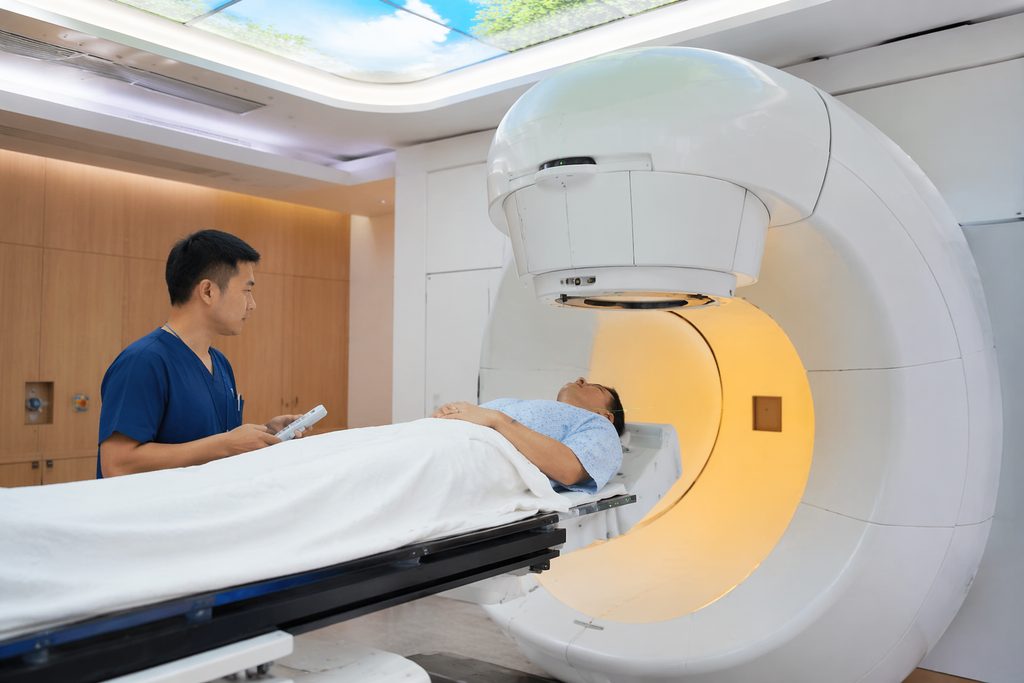
Proton Therapy Treatment in China: What It Involves
So you have a treatment plan that mentions proton beam therapy, and someone told you it costs a fraction of the American price in China. Is that real? Yes — but the proton therapy cost China patients actually pay depends on a chain of decisions most people never see: which center, how many fractions, whether the case is even accepted, and how long you must stay in the country.
This page walks through the whole thing. What proton therapy is, who it suits, what it costs at Chinese centers, how to book proton therapy treatment China arrangements through the correct channels, and where the process can stall. No sales pitch. Just the mechanics.
How This Actually Works, Step by Step
Start where you are right now — holding a diagnosis, probably a pathology report, and a lot of questions. Here is the real sequence.
Step one: you send records, not a booking. Proton centers do not accept self-referrals from overseas the way a hotel takes a reservation. They need your imaging on disc or in DICOM files, the pathology slides or block if available, operative notes, and any prior radiation history. Missing prior radiation records is the single most common reason a case gets delayed.
Step two: a radiation oncologist reviews the file. Not a salesperson. A physician decides whether proton therapy offers a dosimetric advantage over modern photon techniques such as IMRT or VMAT for your specific tumor. For some cancers the advantage is large. For others it is marginal, and the honest answer is that protons add cost without adding benefit.
Step three: a written opinion or video consultation comes back. You get a plain-language summary of whether the case is suitable, what fractionation schedule is proposed, and roughly how many weeks you would need to stay.
Step four: appointment coordination. If the plan is feasible and you agree, the hospital’s international department is contacted and a treatment slot is requested. This is coordination, not queue-jumping — the hospital decides, and if no slot can be secured, coordination fees are refunded.
Step five: you arrive, get re-scanned, and start. Every proton center re-plans on its own CT and MRI. Your overseas scans inform the decision; they do not replace simulation. Expect immobilization masks, fiducial markers in some prostate cases, and a verification session before fraction one.
What Proton Therapy Actually Does — and Who It Suits
Most courses fall somewhere between $30,000 and $80,000 depending on fraction count, center, and complexity. Comparable treatment in the United States commonly runs six figures. Final pricing must be confirmed by the hospital after records review — no estimate given before that is reliable.
The safety profile of the beam itself is the same everywhere. What you should verify is the institution: accreditation status, annual case volume, on-site physics support, and whether an international department can communicate in English and produce documentation for your home oncologist.
Medical travel uses the S2 visa with a treatment notation, and accompanying family members apply for S2 as well. The M visa is strictly for commercial and trade activities and does not apply to medical care. Always confirm current requirements with the Chinese embassy or consulate in your country.
You can complete records review, a written suitability opinion, a video consultation, and appointment coordination remotely. Simulation and treatment require your physical presence. This staged approach reduces the risk of traveling before you know whether the case is even accepted.
Your Next Step
Proton therapy in China is a real option for the right case, at a fraction of Western pricing — but only after a specialist confirms it offers you a genuine advantage over photon radiation. That confirmation comes from records review, not from a price list.
China Medical Services connects international patients with 340+ top-ranked hospitals across 37 cities, handles records translation and international department coordination, and provides bilingual medical companions on the ground. We are not physicians and we do not make treatment decisions or promise admission. What we do is make the process navigable.
If you are weighing proton therapy, start with a records review. It costs far less than a flight, and it tells you whether the trip is worth making at all.
This article is for general information only and is not medical advice. Treatment decisions should be made with qualified physicians who have reviewed your individual case.
Frequently Asked Questions
Yes. The hospitals used for international patients are JCI-accredited and follow the same international safety standards as top hospitals in the US and Europe. Surgical teams perform high volumes of procedures — often more than their Western counterparts — which studies show leads to better outcomes.
Costs vary by procedure and hospital, but international patients typically save 40-80% compared to US prices — even when factoring in travel and accommodation. A consultation with our team will give you an exact, all-inclusive quote with no hidden fees.
Send us your existing medical reports to get started. We handle everything from hospital selection and appointment scheduling to visa assistance and post-operative recovery planning. Your medical records are reviewed by the specialist before you even book a flight.
For more medical information and treatment options in China, visit chinamedservices.com (China Medical Services).
