A Health Screening in China: How It Works, Step by Step
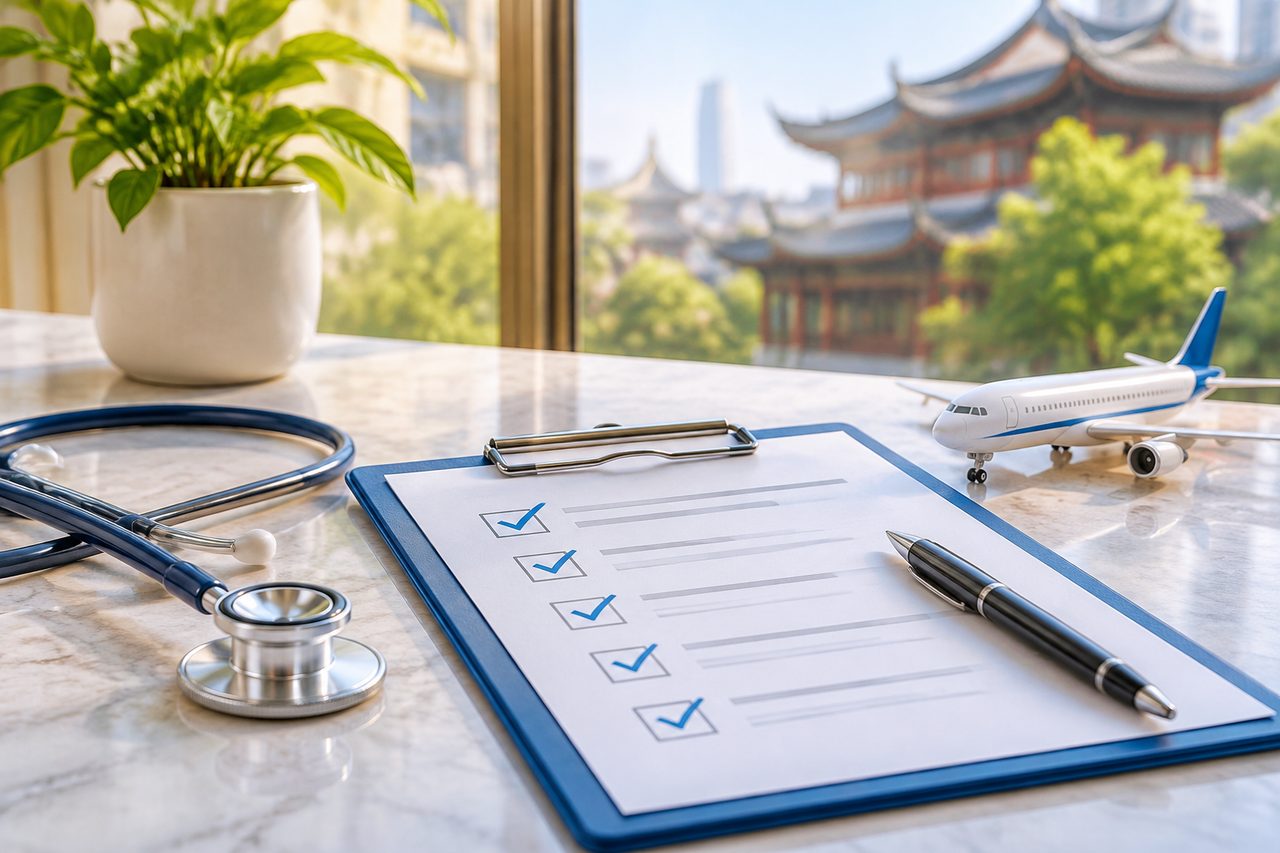
A Health Screening in China: How It Works
What if you could complete a full body health check in China in a single morning — bloodwork, imaging, cardiac tests and a specialist review — and walk out with a written report in hand? That is, in broad terms, how a health screening in China works, and it is one reason international patients increasingly ask us about it. The health screening package cost China hospitals publish also tends to surprise people, usually in a favorable direction. But the process has real rules, real limits and a few genuine friction points. This guide explains them honestly so you can decide whether a screening trip makes sense for you.
How This Actually Works, Step by Step
Start with what you have, not with a booking. A screening in China is organized around your medical history, so the sequence below reflects how these visits are actually put together.
1. You send your existing records. Prior bloodwork, imaging reports, medication lists, known diagnoses and any family history. If you have no recent records, say so — the screening can be designed as a baseline instead.
2. A Chinese hospital department reviews the material. The relevant specialty looks at your records and proposes which screening tier fits: a basic package, an enhanced package with cardiac and imaging components, or a more targeted set of tests. This is where a written second opinion or a video consultation can happen before any travel is booked.
3. You receive a proposed plan and a price range. Hospital health management centers publish package prices, but the final figure depends on which add-ons apply to you. Ask for the itemized list, not just a headline number.
4. The appointment is coordinated. Screening centers at large public hospitals and private international hospitals both accept advance bookings, unlike ordinary outpatient clinics, which generally require same-day registration. Coordination means confirming the date, the department, the language support and the payment method.
5. You arrive, fast if required, and complete the tests. Most packages run across one morning. Certain tests — colonoscopy, some contrast imaging — require preparation the day before.
6. Results are compiled and explained. You receive a written report, usually with English translation arranged in advance, and a consultation to discuss abnormal findings and next steps.
What a Health Screening Package in China Typically Includes
“Health checkup” in China covers a wide spectrum. At the entry level, a basic package is built around blood tests, urinalysis, an electrocardiogram, chest imaging, abdominal ultrasound and basic physical measurements. Enhanced packages add components such as cardiac ultrasound, carotid ultrasound, thyroid studies, tumor marker panels, gastroscopy or colonoscopy, and low-dose CT for lung screening in appropriate candidates.
Two distinctions matter. First, package contents vary substantially between hospitals, so compare item by item rather than by price alone. Second, more tests is not automatically better. Some tumor markers have poor specificity and generate anxiety without useful information; some imaging exposes you to radiation you may not need. A good screening center will tell you which add-ons are justified for your age, sex, family history and risk factors — and which are not.
Hospitals differ in character as well. Large public tertiary hospitals concentrate diagnostic depth and specialist backup, and their health management centers handle high volumes efficiently. Private international hospitals offer English-speaking staff, Western-style scheduling and, in many cases, direct insurance billing. Our overview of private international hospitals in China explains which of these accept direct settlement and which require upfront payment.
Understanding Health Screening Package Cost in China
Published package prices at Chinese hospitals commonly fall into broad bands: a basic package in the low hundreds of US dollars, an enhanced package in the mid-hundreds to around one thousand, and comprehensive or executive packages above that. These are ranges, not quotes — the health screening package cost China hospitals charge varies by hospital tier, city, the specific tests included and whether you use an international or VIP department, which typically runs higher than the standard channel.
Be careful with comparisons. A headline price may exclude the consultation, the English report, pathology fees for any biopsy taken during endoscopy, or contrast agent costs. Ask three questions before committing: what is included, what is billed separately, and what happens if a test returns an abnormal result that requires follow-up imaging. Follow-up is a separate episode of care and is usually charged separately.
Payment mechanics also differ. Public hospitals generally require prepayment, with insurance reimbursement handled afterward in your home country — and many insurers will not reimburse preventive screening at all, so check your policy before you travel. Private international hospitals more often bill insurers directly. Neither route changes the clinical content of the screening; it changes only how you pay for it.
A Realistic Timeline
Yes — screening and health management centers at large hospitals generally accept advance bookings, unlike ordinary outpatient clinics, which typically require same-day registration. Confirmation depends on the center’s capacity and on having your records reviewed first.
Often not. Many policies exclude preventive screening, and reimbursement rules vary widely. Obtain a written decision from your insurer before travel, and confirm whether the hospital requires prepayment or can bill directly.
Routine bloodwork and imaging reports are often available the same day or within a few days. Tests involving pathology, such as biopsies taken during endoscopy, take longer. Ask for the expected turnaround for each component before you book your return flight.
Your Next Step
A screening in China can be efficient, well-equipped and reasonably priced — provided the plan is built around your history and the logistics are handled before you fly. What we do is connect international patients with Chinese hospitals, coordinate appointments and provide bilingual support on the ground; we do not diagnose, treat or guarantee any clinical outcome. If you would like an initial conversation about whether a screening trip fits your situation, you can request a free consultation and we will walk through your options without pressure.
This article is for general information only and does not constitute medical advice. Screening decisions should be made with a qualified physician who knows your history.
For more medical information and treatment options in China, visit chinamedservices.com (China Medical Services).
