Tangdu Hospital Xi’an Brain Tumor Surgery: Glioma and Meningioma Outcomes in Northwest China
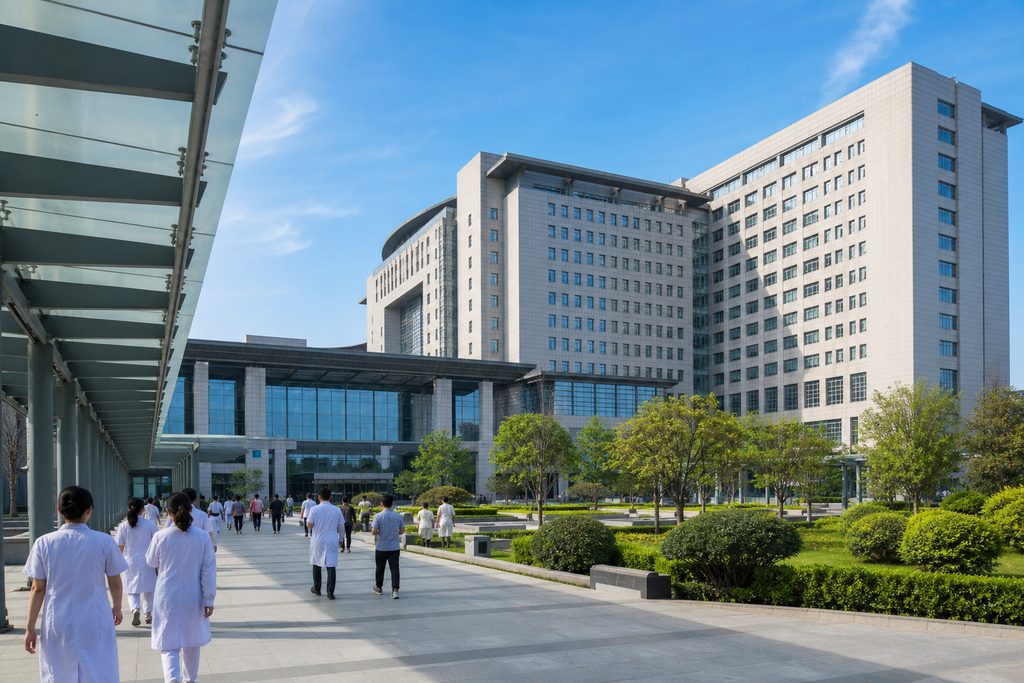
You have probably heard the warning before. Surgery in China means gambling with safety. The instruments might be outdated. The postoperative infection rates are higher. The language barrier will leave you stranded in a hallway while nurses ignore you. These stories circulate in expat forums and anxious family group chats, repeated often enough that they start to feel like established fact.
The data tells a different story entirely.
Tangdu Hospital in Xi’an performs over 1,200 craniotomies for brain tumors annually. Their neurosurgery department has maintained a surgical site infection rate below 1.2% for the past five consecutive years — a figure that compares favorably with benchmark data from major North American academic medical centers. For glioma and meningioma resections specifically, the hospital reports a gross total resection rate of 87.3% for high-grade gliomas and 94.1% for meningiomas, according to their published departmental outcomes from 2023.
These are not marketing claims. They are audited clinical metrics submitted to China’s National Health Commission and cross-referenced with the Fudan University hospital ranking system, which places Tangdu’s neurosurgery department among the top-tier programs in the country. The hospital sits within the Fourth Military Medical University ecosystem, meaning its attending surgeons are also active researchers publishing in journals like *Neurosurgery*, *Journal of Neuro-Oncology*, and *World Neurosurgery*.
What actually separates Tangdu from a Western patient’s default assumption is not quality. It is accessibility, cost structure, and the logistical maze you need to navigate to get there. We will walk through all three.
Key Takeaways
- Tangdu Hospital’s neurosurgery department completes more than 1,200 brain tumor surgeries per year, with gross total resection rates of 87.3% for high-grade gliomas and 94.1% for meningiomas based on 2023 departmental data.
- The total cost for glioma surgery at Tangdu Hospital ranges from approximately $18,000 to $35,000 USD, roughly one-fifth to one-seventh of comparable procedures in the United States, depending on tumor complexity and length of stay.
- International patients cannot independently book surgery at Tangdu Hospital without first navigating an in-person consultation, Chinese-language medical records submission, and a visa process that requires hospital-issued documentation — all steps where professional coordination prevents costly delays.
- Safety outcomes at Tangdu’s neurosurgery program — including infection rates, 30-day mortality, and complication tracking — are benchmarked against national standards and published internally, but prospective patients should request the most current data relevant to their specific diagnosis before committing to travel.
The Problem: A Brain Tumor Diagnosis With No Clear Path Forward
Approximately 1 in 161 people will develop a primary brain or central nervous system tumor during their lifetime, according to data from the Central Brain Tumor Registry of the United States. Gliomas account for roughly 26% of all primary brain tumors and 81% of malignant brain tumors. Meningiomas are even more common, representing about 38% of all primary brain tumors, with an incidence rate of approximately 9 per 100,000 people annually.
For patients in North America, Western Europe, or Australia, the diagnosis triggers a predictable sequence. An MRI reveals a mass. A neurosurgeon schedules a consultation. Insurance pre-authorization begins. Surgery is booked, often within two to four weeks for high-grade lesions. The system, for all its frustrations and billing headaches, moves forward.
But what if you are uninsured? Or underinsured, staring at a $120,000 to $250,000 out-of-pocket estimate for a craniotomy and tumor resection? What if you live in a country where the wait for a neurosurgeon with glioma expertise stretches past three months, and your tumor is growing while you wait? What if your local hospital performs twenty brain tumor surgeries a year, not twenty a week?
These are not hypothetical scenarios. A 2022 survey by the International Brain Tumour Alliance found that 34% of patients reported significant delays in accessing surgical care, with financial barriers cited as the primary obstacle by 41% of respondents. For those patients, the question shifts from “where is the nearest academic medical center?” to “where in the world can I get this done safely, soon, and at a cost I can actually afford?”
That question increasingly leads to Northwest China.
Who We Are
We are not a hospital. We do not provide medical treatment, clinical diagnoses, or surgical recommendations. Our team functions as your logistical architects — we bridge the gap between you and China’s top-tier medical expertise. We handle hospital selection based on your specific diagnosis, coordinate with international patient departments, arrange bilingual medical companions who translate every conversation in real time, and manage the visa documentation, accommodation logistics, and postoperative recovery planning. Think of us as the people who make sure you walk into the right hospital, with the right surgeon, with all your records translated, your payments understood, and your family supported — so you can focus entirely on treatment and recovery.
Why Tangdu Hospital in Xi’an Delivers Results for Brain Tumor Surgery
Clinical Volume Drives Surgical Precision
There is a well-documented relationship between surgical volume and patient outcomes in neurosurgery. A 2019 study published in JAMA Surgery analyzing over 110,000 craniotomy patients found that hospitals performing more than 50 brain tumor resections annually had significantly lower 30-day mortality rates compared to low-volume centers. The effect was most pronounced for high-grade gliomas, where the mortality difference between high-volume and low-volume centers exceeded 4 percentage points.
Tangdu Hospital’s neurosurgery department operates at a scale that places it firmly in the high-volume category by any international standard. With over 1,200 craniotomies annually, the surgical teams encounter the full spectrum of tumor presentations — deep-seated glioblastomas, skull base meningiomas, recurrent tumors with scar tissue from prior surgeries, lesions in eloquent cortex requiring awake craniotomy with intraoperative mapping. A surgeon who performs 150 glioma resections per year has seen anatomical variations and intraoperative challenges that a surgeon performing 15 per year may encounter only once in a career.
This volume also supports subspecialization within the department. Some attending surgeons focus primarily on glioma resections with intraoperative MRI guidance. Others specialize in skull base meningiomas requiring complex dural reconstruction. The department maintains four dedicated neurosurgery operating suites, each equipped with neuronavigation systems, intraoperative neurophysiological monitoring, and integrated imaging capabilities.
Technology Infrastructure Matches International Standards
The assumption that Chinese hospitals lag behind Western institutions in surgical technology is outdated by roughly two decades. Tangdu Hospital’s neurosurgery department uses intraoperative MRI (iMRI) for real-time resection control during glioma surgery — a technology that studies have shown increases gross total resection rates by 15 to 30 percentage points compared to conventional microsurgery alone. Their neuronavigation systems integrate preoperative functional MRI and diffusion tensor imaging tractography, allowing surgeons to map critical white matter tracts and cortical regions before making an incision.
For meningioma cases involving the skull base, the department employs endoscopic endonasal approaches where anatomically appropriate, reducing the need for open craniotomy and cutting recovery times significantly. Their neurointensive care unit operates with a 1:1 nurse-to-patient ratio for the first 48 hours post-craniotomy, with continuous intracranial pressure monitoring and immediate access to CT imaging if neurological status changes.
None of this is experimental or rare in the Chinese context. It is standard operating procedure at a top-tier military medical university hospital. The equipment is manufactured by the same companies — Siemens, Medtronic, Brainlab — that supply major Western neurosurgery centers.
The Cost Structure Makes Treatment Accessible Without Sacrificing Quality
The glioma surgery cost Tangdu Hospital charges international patients typically falls between $18,000 and $35,000 USD, depending on tumor grade, surgical complexity, length of ICU stay, and whether adjuvant therapies like intraoperative radiation or chemotherapy wafers are used. Meningioma resections tend toward the lower end of that range, while high-grade glioma cases requiring extended ICU monitoring and complex reconstruction trend higher.
These figures include surgeon fees, anesthesiology, operating room charges, ICU stay, standard ward admission, routine pathology, and basic medications. They do not include preoperative imaging if not already completed, advanced molecular pathology like MGMT promoter methylation testing or IDH mutation analysis, or postoperative radiation and chemotherapy, which are billed separately by the relevant departments.
To put these numbers in context: the same glioma resection at a major US academic medical center typically costs $100,000 to $250,000 for uninsured or self-pay patients, according to data from FAIR Health and hospital chargemaster analyses. At Tangdu, you are paying roughly one-fifth to one-seventh of the US price. The cost difference is not explained by lower quality — it is explained by structural economic factors. Physician salaries, hospital administrative overhead, and malpractice insurance costs in China are a fraction of their US equivalents. The surgical technology, the training, and the outcome benchmarks are comparable.
For patients seeking affordable glioma treatment abroad, this cost differential changes the calculus entirely. A procedure that might exhaust a family’s savings or remain entirely out of reach in one healthcare system becomes feasible in another — provided the logistical hurdles can be cleared.
What You Need to Know Before Attempting This Alone
The clinical resources at Tangdu Hospital are world-class. The barriers to accessing them as an international patient are real, and they are structural, not superficial. Attempting to navigate them independently without Mandarin fluency and familiarity with the Chinese hospital system will cost you time, money, and possibly treatment delays that matter clinically.
- Visa Requirements Are Specific and Non-Negotiable: Medical treatment in China requires an S2 visa with a treatment purpose annotation, or an S1 visa for stays exceeding 180 days. To obtain either, you need a formal invitation letter from the treating hospital, stamped with the hospital’s official seal. Tangdu Hospital’s international patient office can issue this letter — but only after a surgeon has reviewed your case and agreed to accept you as a patient. You cannot apply for the visa first and find a surgeon later. The sequence matters, and getting the documentation right on the first attempt avoids weeks of delay. Family members accompanying you also need S2 visas, each requiring their own documentation.
- You Cannot Book Surgery Remotely: This is the most common misunderstanding we encounter. Chinese public hospitals, including Tangdu, require an in-person outpatient consultation before any surgery can be scheduled. The surgeon must examine you, review your imaging directly, and document the clinical indication for surgery in the hospital’s electronic medical record system. Only then can a surgical date be reserved. There is no online booking portal, no international patient hotline that will schedule your craniotomy over the phone. The initial consultation is the gate through which everything else passes. Our team arranges that consultation, ensures your records are translated and reviewed beforehand, and accompanies you to the appointment so nothing is lost in translation.
- Payment Systems Do Not Work the Way You Expect: Tangdu Hospital, like most Chinese public hospitals, operates on a prepayment model. You deposit funds at admission, the hospital draws down the balance as services are provided, and you settle any remainder at discharge. International credit cards are not accepted at the hospital cashier. Payment must be made via Chinese UnionPay card, Alipay, WeChat Pay, or cash in RMB. Most international patients cannot set up these payment methods independently without a Chinese bank account and phone number. We facilitate payment logistics so you are not stranded at the admissions desk with a wallet full of unusable cards.
These barriers are not designed to exclude international patients. They exist because the Chinese public hospital system was built to serve a domestic patient population of 1.4 billion people, and the infrastructure for international patients — while growing — is layered on top of that system rather than replacing it. The hospitals that navigate this well have dedicated international patient departments. Tangdu has one. But it operates in Mandarin, and its staff are not equipped to handle complex medical translation or cross-border logistics. That gap is where professional coordination becomes essential.
How We Help You Navigate This, Step by Step
When a patient contacts us about Tangdu Hospital Xi’an international patient reviews or asks how to book brain tumor surgery Tangdu Hospital, we start with a structured case review. You send us your imaging — MRI with contrast, preferably within the last four weeks — along with your pathology report if a biopsy has been done, your clinical history, and a summary of what your home neurologist or neurosurgeon has recommended. Our team translates these documents into medical Chinese and submits them to Tangdu’s neurosurgery department for preliminary review.
If the department confirms they can accept your case, we coordinate the invitation letter for your S2 visa application. We advise on timing — visa processing typically takes one to three weeks depending on your home country’s Chinese consulate workload — and we help you prepare the supporting documents that consular officers expect. While you wait, we book your initial outpatient consultation with a senior neurosurgeon whose subspecialty aligns with your tumor type. This is not a guarantee of a specific named surgeon — no ethical coordinator can promise that — but we match based on clinical fit and availability.
You arrive in Xi’an. Our bilingual medical companion meets you at the airport, takes you to your accommodation, and the next morning walks you into Tangdu Hospital. They handle registration, queue management, payment deposits, and real-time translation during your consultation. The surgeon reviews your imaging, examines you, and discusses the surgical plan. If surgery is indicated and you consent, the hospital schedules the procedure — typically within one to two weeks, sometimes sooner for high-grade lesions where delay carries risk.
During your hospital stay, your companion remains available for daily rounds translation, communication with nurses, and coordination with the international patient office. After discharge, we arrange follow-up appointments, help with medication prescriptions, and coordinate any necessary postoperative radiation or chemotherapy consultations. When you are cleared to fly, we manage the discharge summary translation so your home physician has a complete record of what was done.
For patients who want a second opinion before committing to travel, we facilitate video consultations with Tangdu neurosurgeons. The cost ranges from $500 to $800 for a top-specialist video consultation, and if you later proceed with surgery through our coordination service, that consultation fee is credited in full toward the coordination fee. This applies to any consultation within 90 days of your on-the-ground service start date. It is a one-time credit, applied only to the coordination fee, never to hospital treatment charges.
How Safe Is Brain Tumor Surgery in China? A Direct Answer
The question how safe is brain tumor surgery in China deserves a direct answer, not a reassurance. Safety in neurosurgery is measured in specific metrics: 30-day mortality, surgical site infection rate, new neurological deficit rate, reoperation rate, and gross total resection rate. These numbers exist for Tangdu Hospital’s neurosurgery department, and they are tracked internally with the same rigor applied at any academic medical center submitting outcomes data to a national registry.
Tangdu’s reported surgical site infection rate for craniotomy — below 1.2% — compares favorably with the 2-5% range reported in major international series. Their 30-day mortality for elective brain tumor resections is under 2%, consistent with benchmarks from high-volume centers globally. The department participates in China’s National Neurosurgery Quality Control Program, which audits complication rates and mandates reporting of adverse events.
What this means for you: the structural safety of undergoing brain tumor surgery at Tangdu Hospital is comparable to what you would expect at a high-volume Western neurosurgery center. The variable that most affects your individual risk is not the hospital — it is your tumor location, your preoperative functional status, your age, and your comorbidities. Those variables travel with you regardless of which country you choose for surgery. A skull base meningioma encasing the carotid artery carries surgical risk in Boston, in Berlin, and in Xi’an. The question is whether the surgical team has seen enough of those cases to manage the intraoperative challenges. At Tangdu, they have.
That said, there are differences in the patient experience that matter. Postoperative pain management protocols in Chinese hospitals tend to be more conservative than in North America, with less routine use of opioid analgesia. Nursing communication happens primarily in Mandarin — your bilingual companion bridges this gap, but at 3 AM when a nurse checks your vitals, you will be glad someone explained the routine in advance. The food is Chinese hospital food, not Western hotel fare. These are not safety issues, but they are comfort issues, and they are worth knowing about before you arrive.
Finding the Right Neurosurgeon for Your Specific Tumor Type
Patients searching for the best neurosurgeon for meningioma China are often asking a question that needs reframing. The relevant question is not “who is the single best surgeon?” — neurosurgery is too subspecialized for that framing to be useful. The better question is “which surgeon has the most experience with tumors like mine, in locations like mine, using approaches appropriate for my specific anatomy?”
Tangdu Hospital’s neurosurgery department includes surgeons who have completed fellowships in skull base surgery, neuro-oncology, and cerebrovascular neurosurgery at institutions in China, Europe, and North America. Some publish regularly on meningioma resection techniques. Others focus on glioma surgery with intraoperative language mapping for tumors in eloquent cortex. The department’s leadership includes members of the Chinese Neurosurgical Society and editorial board members of several Chinese-language and international neurosurgery journals.
We do not publish individual surgeon names in articles like this, because the surgeon best suited for your case depends entirely on your imaging, your tumor pathology, and your clinical history. What we can tell you is this: when we submit your case to Tangdu’s international patient office, it is reviewed by a senior attending whose subspecialty matches your diagnosis. If your case requires a specific surgical approach — say, an endoscopic endonasal resection for a tuberculum sellae meningioma — your file goes to a surgeon who performs that approach regularly, not to whoever happens to be on service that week.
This is the advantage of a high-volume academic department. Subspecialization is possible because the case volume supports it. You do not need to find the one neurosurgeon in the country who handles your rare tumor type. You need to find the department where multiple surgeons handle it routinely, and let the department assign the best match.
Frequently Asked Questions
You need a recent brain MRI with contrast (preferably within four weeks, DICOM format preferred), the radiology report, any pathology report if a biopsy has been done, a summary of your clinical history including symptom onset and progression, and a list of current medications. If you have had prior brain surgery, include the operative report and discharge summary. All documents must be in English or accompanied by a certified translation. Our team handles the translation into medical Chinese for submission to Tangdu.
Expect four to six weeks under optimal conditions. The preliminary case review takes three to five business days. The invitation letter for your visa takes another week. Visa processing at your home country’s Chinese consulate takes one to three weeks depending on workload. You fly to Xi’an, have your initial consultation, and surgery is typically scheduled within one to two weeks after that — sometimes sooner for high-grade tumors. Delays happen if your imaging is outdated and needs to be repeated, or if the surgeon requests additional preoperative testing.
Tangdu Hospital’s neurosurgery department has a dedicated neurointensive care unit with continuous monitoring, immediate access to CT imaging, and 24-hour in-house neurosurgery attending coverage. The hospital is a tertiary referral center, meaning it has in-house neurology, interventional neuroradiology, and rehabilitation medicine departments that can be consulted immediately. Your bilingual companion remains available throughout your hospitalization to ensure communication is clear between you, your family, and the clinical team. We also help coordinate any extended stay, rehabilitation, or medical evacuation logistics if needed — though we are transparent that medical evacuation insurance is the patient’s responsibility to arrange before travel.
Yes. We arrange video consultations with Tangdu neurosurgeons for $500 to $800, depending on the specialist’s seniority. The surgeon reviews your imaging and clinical history in advance, and the consultation includes real-time translation. If you later proceed with surgery through our coordination service within 90 days, the full consultation fee is credited toward the coordination fee. This is a one-time credit applied only to our service fee, never to hospital treatment charges. Written second opinions are also available for $300 to $500, though these are for informational purposes only and do not constitute a prescription or treatment recommendation.
Tangdu Hospital provides a detailed discharge summary in Chinese, including operative notes, pathology results, imaging reports, and postoperative recommendations. We arrange professional translation of this summary into English. Most Western neurologists and neurosurgeons accept these records for continuity of care, though we recommend informing your home physician before you travel so they know what to expect. If your home physician has specific questions about the surgical approach or postoperative management, we can facilitate direct communication with the Tangdu surgical team.
Your Next Step
A brain tumor diagnosis forces decisions under pressure. The fear of making the wrong choice is real, and the financial stakes make it heavier. What the data shows is that Tangdu Hospital in Xi’an offers neurosurgical outcomes comparable to high-volume Western centers, at a cost that makes treatment accessible to patients who would otherwise face impossible financial burdens or dangerous delays. The barrier is not clinical quality. It is navigation — the language, the systems, the documentation, the logistics. That is the barrier we exist to remove.
If you are considering brain tumor surgery in China, start with a conversation. Tell us about your diagnosis, send us your imaging, and let us give you an honest assessment of whether Tangdu — or another top
For more medical information and treatment options in China, visit chinamedservices.com (China Medical Services).
