Cancer Screening for Men in China: Our Specialist Match Service
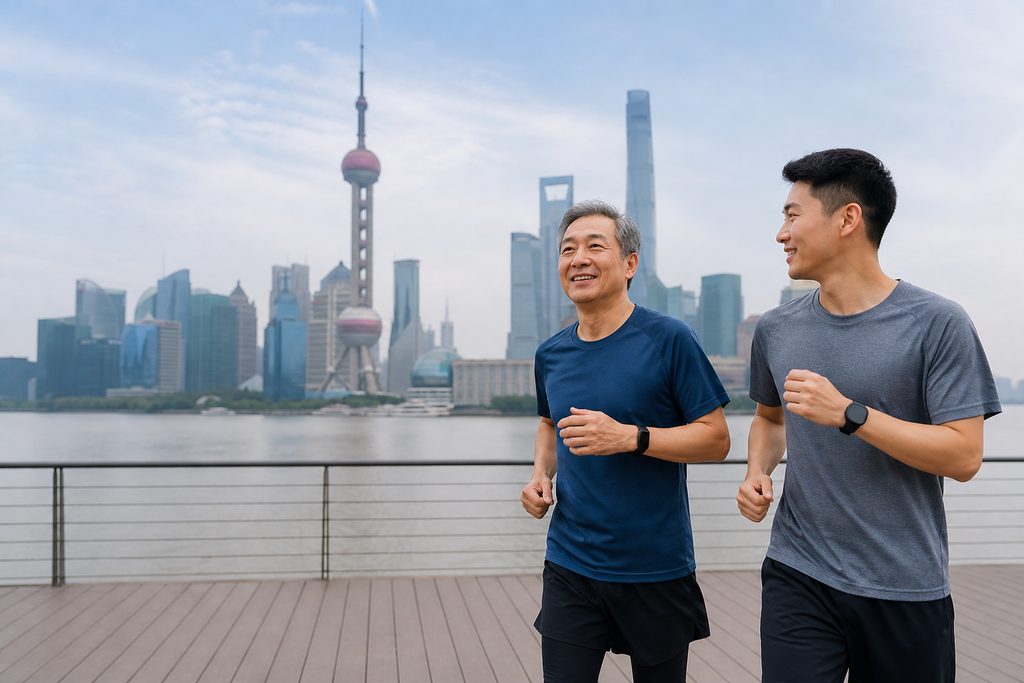
You’ve probably heard that getting medical care in China means long lines, language chaos, and questionable quality. The reality for men seeking cancer screening is more nuanced — and often far better than the stereotype suggests. A prostate-specific antigen (PSA) test that costs $120 to $250 in the United States typically runs $15 to $40 at a top-tier Chinese hospital. A full-body cancer screening package that would set you back $2,500 to $5,000 in the US is commonly priced between $400 and $1,200 in Shanghai or Beijing. The question isn’t whether the screening is affordable. It’s whether you can navigate the system well enough to get it done properly.
That’s where the China Medical Services specialist match service comes in. We connect men with the right oncology, urology, and gastroenterology departments across 340+ top-ranked hospitals in 37 cities. No guesswork. No showing up at a hospital with 12,000 daily outpatients and hoping for the best.
Key Takeaways
- Prostate cancer screening cost China runs 70-90% lower than US equivalents, with PSA tests from $15 and comprehensive male cancer panels from $400.
- Top Chinese hospitals perform cancer screenings at volumes that dwarf Western centers — Fudan-ranked oncology departments routinely process thousands of screenings monthly.
- Public hospital outpatient departments cannot be pre-booked from overseas; you need a coordinator or international VIP channel to secure advance appointments.
- Reliability depends on hospital selection. Top-ranked Fudan and JCI-accredited facilities produce results comparable to Western labs, but random local clinics do not.
The Problem: Men Skip Cancer Screening Until It’s Too Late
Prostate cancer affects approximately 1 in 8 men during their lifetime. Colorectal cancer is the third most common cancer in men worldwide. Lung cancer kills more men than any other malignancy. Yet screening rates remain stubbornly low. In the United States, only about 37% of men over 50 are up to date on colorectal cancer screening, according to the American Cancer Society. For prostate cancer, the numbers are even murkier — many men avoid PSA testing entirely because they fear the follow-up biopsy, the cost, or simply don’t have a primary care physician pushing them to get tested.
And here’s the uncomfortable truth: early-stage prostate cancer has a 5-year survival rate above 99%. Late-stage prostate cancer that has metastasized drops to around 32%. The difference is a blood test that costs less than a dinner for two in most American cities. So why aren’t men getting screened?
Cost is one barrier. A comprehensive men’s health screening panel in the US — PSA, colonoscopy, low-dose CT chest, abdominal ultrasound — can easily exceed $3,000 without insurance. Even with insurance, deductibles and co-pays add up. Wait times are another. In the UK, NHS patients wait an average of 2-3 weeks for a routine PSA result, and colonoscopy wait times can stretch to 6-8 weeks in some regions. In Canada, the median wait for a CT scan is over 4 weeks.
Then there’s the psychological barrier. Men are notoriously reluctant to schedule preventive care. A 2022 Cleveland Clinic survey found that 55% of men do not get regular health screenings, and 65% avoid going to the doctor as long as possible. Combine that with cost anxiety and scheduling friction, and you get exactly what you’d expect: cancers found late, when treatment is harder and survival is worse.
Why China Delivers Results for Men’s Cancer Screening
Clinical Volume Creates Diagnostic Confidence
Fuwai Hospital in Beijing performs over 14,000 cardiac surgeries annually — the highest volume in the world. That same principle applies to cancer screening. A top-tier Chinese oncology department processes more PSA tests, more colonoscopies, and more low-dose CT scans in a month than many Western hospitals do in a year. Volume matters because it sharpens diagnostic accuracy. Radiologists who read thousands of chest CTs develop pattern recognition that no textbook can teach. Urologists who perform hundreds of prostate biopsies annually have complication rates that drop with each procedure.
Consider the numbers from the Fudan University Hospital Rankings — China’s most authoritative hospital evaluation system. The top 100 hospitals on the comprehensive list represent roughly the top 5% of China’s 35,000+ hospitals. The oncology specialty rankings identify 45 subspecialties with explicit top-10 lists. When you book a cancer screening through a hospital that appears on these lists, you’re accessing departments that see more cancer cases in a quarter than many Western centers see in a year.
Technology Without the Wait
Chinese hospitals adopted 3T MRI, low-dose CT, and high-definition colonoscopy equipment aggressively over the past decade. A full-body cancer screening package China price point of $400 to $1,200 typically includes a 256-slice or higher CT scanner, 3T MRI capability, and same-day or next-day blood work results. The operational difference is structural: Chinese public hospitals run extended hours, often 7 days a week, with outpatient departments processing thousands of patients daily. That means a screening package that requires three separate appointments over two weeks in the US can often be completed in one or two days in Shanghai or Beijing.
But the system is not self-serve. You cannot walk into a top-tier Chinese hospital as a foreigner, register at the general outpatient window, and expect an English-speaking urologist to see you that afternoon. The public outpatient system operates on a same-day queue system — you arrive, take a number, and wait. With 10,000+ daily outpatients at major hospitals, that wait can be hours. And the triage nurse likely speaks Mandarin only.
Cost Advantage Without Compromise
The prostate cancer screening cost China differential is not a sign of lower quality. It reflects structural economics: physician salaries in China are a fraction of US levels, hospital construction costs are lower, and the sheer patient volume spreads fixed costs across far more procedures. A PSA test that costs $15 at Zhongshan Hospital Fudan University in Shanghai is processed on the same Roche or Abbott immunoassay platforms used in US labs. A colonoscopy at Peking Union Medical College Hospital uses Olympus or Fujifilm endoscopes — the same equipment you’d find at Mayo Clinic.
What you’re not paying for is the administrative overhead, malpractice insurance premiums, and profit margins baked into US healthcare pricing. Is cancer screening in China reliable for men? At Fudan-ranked and JCI-accredited hospitals, yes — with the caveat that you must choose the right facility. A random community hospital in a third-tier city is not the same as a top-100 Fudan hospital in Shanghai.
What a Men’s Cancer Screening Package Actually Includes
When men ask us how to book men’s cancer checkup Beijing or Shanghai, they’re often surprised by what a comprehensive package covers. Here’s the typical structure at a top-tier hospital’s international or VIP department:
| Screening Component | What It Detects | Typical Cost in China (USD) | Typical Cost in US (USD) |
|---|---|---|---|
| PSA blood test | Prostate cancer marker | $15–40 | $120–250 |
| Digital rectal exam | Prostate abnormalities | $20–50 | $80–150 |
| Colonoscopy | Colorectal cancer, polyps | $300–600 | $1,500–3,500 |
| Low-dose chest CT | Lung nodules, early lung cancer | $80–200 | $300–800 |
| Abdominal ultrasound | Liver, kidney, pancreatic masses | $40–100 | $200–500 |
| Full-body MRI (optional) | Whole-body tumor survey | $500–1,200 | $2,500–5,000 |
Prices vary by hospital and case complexity. A full body cancer screening package China price at a private international hospital like United Family or Jiahui will run higher — typically $1,500 to $3,000 — but includes English-speaking staff, direct insurance billing, and a more Western-style experience. The same package at a public hospital’s international department costs less but may involve more procedural friction.
PSA Test and Colonoscopy Medical Tourism China: What to Expect
Combining a PSA test and colonoscopy medical tourism China trip is increasingly common for men from the US, UK, Australia, and the Middle East. The logic is straightforward: fly to Shanghai or Beijing for 3-5 days, complete a full screening battery, get results before you fly home, and pay a fraction of what you’d spend domestically — even after flights and accommodation.
The process works like this. You send us your existing medical records, age, family history, and any symptoms. We match you with the appropriate department — usually urology for PSA and prostate concerns, gastroenterology for colonoscopy, and respiratory medicine or oncology for lung screening. The hospital’s international department reviews your file and confirms the screening protocol. You apply for an S2 visa, which is the short-stay category used for medical treatment and private affairs in China. Your accompanying family member applies for the same S2 visa category. Processing typically takes 1-2 weeks depending on your local Chinese embassy or consulate.
On the day of your screening, a bilingual medical companion meets you at the hospital, handles registration, guides you through each station, translates conversations with physicians, and ensures your samples are properly labeled and routed. A full screening panel usually completes in 1-2 days. PSA results typically return within 24 hours. Colonoscopy results — including pathology if polyps are removed — take 3-5 days. Low-dose CT reads are often available same-day.
Important: A screening result that shows an abnormality is not a diagnosis. If your PSA is elevated or your colonoscopy finds polyps, the hospital will recommend follow-up testing — often a biopsy. That requires a separate appointment and possibly a longer stay. Do not book a 3-day trip expecting to complete screening plus biopsy plus treatment. Plan for contingencies.
Choosing the Right Hospital: What the Fudan Rankings Actually Mean
Men searching for the best hospital for prostate exam Shanghai often assume there’s a single “number one” choice. The Fudan rankings don’t work that way. The comprehensive top-100 list uses tiered grades — A++++ down to A — rather than specific ranks. So you won’t find “the #3 hospital in China” on any official list. What you will find is that 21 of the top-100 hospitals are in Beijing, 18 in Shanghai, and 10 in Guangzhou. For oncology specifically, the Fudan specialty reputation rankings do publish explicit top-10 lists for 45 subspecialties.
For prostate cancer screening, you want a hospital with a strong urology department and an oncology department that appears on the Fudan specialty lists. Our department rankings page breaks down the top-10 hospitals for oncology, urology, and gastroenterology. For men who prefer a more Western experience, our private international hospital directory lists JCI-accredited facilities with English-speaking staff and direct insurance billing.
Here’s the honest assessment: if you’re a healthy man under 50 with no family history and no symptoms, a basic PSA plus abdominal ultrasound at any Fudan-ranked hospital will serve you well. If you’re over 50, have a family history of prostate or colorectal cancer, or have symptoms like urinary changes or blood in stool, you need a more thorough workup — and you should be more selective about the hospital. The best hospital for prostate exam Shanghai is not a single institution; it’s the one whose urology and gastroenterology departments both have strong Fudan specialty rankings and an international department that can accommodate you.
Practical Considerations: Documentation, Visas, and Follow-Up
Before you book anything, gather your records. Bring any prior PSA results, colonoscopy reports, imaging studies, and a list of medications. If you’ve had a previous abnormal finding — an elevated PSA, a suspicious nodule on a chest X-ray — bring those images and reports. Chinese specialists will want to compare against your baseline.
Visa category matters. For medical treatment in China, the S2 visa is the applicable short-stay category, issued for private affairs including medical treatment. Processing requirements vary by embassy, but you’ll typically need an invitation letter from the hospital or a medical coordination service, proof of appointment, and standard passport documentation. Your accompanying family member applies for the same S2 category. We never guarantee visa approval — that decision rests entirely with the Chinese consular officer reviewing your application.
Payment is another practical reality. Public hospitals in China require prepayment — you load funds onto a hospital card and services deduct from that balance. International departments may accept international credit cards, but many still require cash or Chinese payment platforms like WeChat Pay or Alipay. Private international hospitals like United Family and Jiahui typically accept major credit cards and offer direct insurance billing. If you have international health insurance, check whether your policy covers treatment in China before you travel. Most policies that cover international care will reimburse hospital charges, but you’ll need to pay upfront and file a claim.
Follow-up after returning home is where many patients stumble. You’ll receive your results — often in English if you use an international department — but your home physician may not be familiar with Chinese lab reference ranges. Most Chinese labs use the same international units as Western labs, but confirm this before you leave. If your screening finds something concerning, you’ll need to decide whether to pursue follow-up in China or at home. A written second opinion from a Chinese specialist costs $300-500 through our service and can help your home physician interpret the findings.
Frequently Asked Questions
At Fudan-ranked and JCI-accredited hospitals, yes. These facilities use the same laboratory platforms and imaging equipment as top Western hospitals. The key is hospital selection — a top-100 Fudan hospital in Shanghai or Beijing is not comparable to a small community clinic. We only work with hospitals in our vetted database of 340+ top-ranked facilities.
A comprehensive package — PSA, colonoscopy, low-dose chest CT, and abdominal ultrasound — typically runs $400 to $1,200 at a public hospital’s international department. Private international hospitals charge $1,500 to $3,000. Add flights and accommodation, and most men still pay less than half of what the same screening would cost in the US without insurance.
You’ll get a clear recommendation for follow-up testing. If a biopsy is needed, the hospital can usually schedule it within days — not weeks. You may need to extend your stay. If you prefer to return home for follow-up, we can arrange a written second opinion from the Chinese specialist so your home physician has a complete picture.
Public hospital outpatient departments generally cannot be pre-booked from overseas — they operate on same-day queue systems. To secure an advance appointment, you need to go through the hospital’s international department or VIP channel, which requires coordination. That’s exactly what our specialist match service handles: we confirm the appointment before you book your flight.
Your Next Step
Cancer screening is not something to put off. The cost difference between early detection and late-stage treatment is measured in years of life, not dollars. We help men navigate the Chinese healthcare system — matching you with the right hospital and department, coordinating appointments, and providing bilingual support on the ground. We are not a hospital, and we do not provide diagnoses or medical advice. But we can make sure you see the right specialist, at the right hospital, without the language and logistics chaos. If you’re considering screening in China, start with a conversation. Tell us your situation and we’ll map out your options. No pressure. Just clarity.
For more medical information and treatment options in China, visit chinamedservices.com (China Medical Services).
