Heart Racing After Surgery: What’s Normal, What’s Not, and When to Seek Help in China
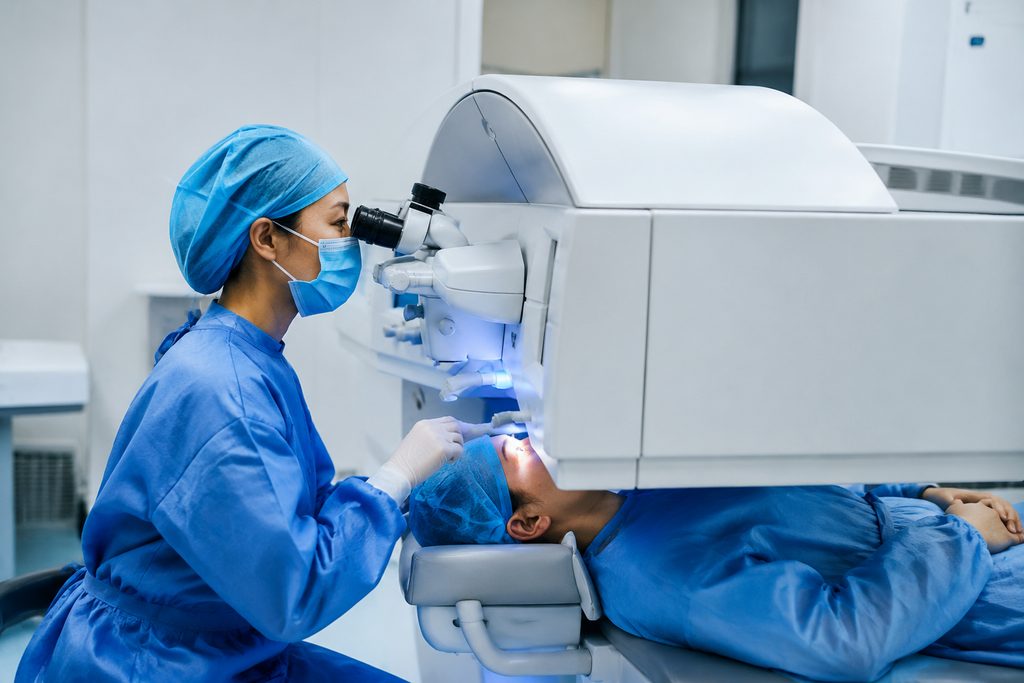
While patients in Canada wait a median 27.4 weeks for cardiology consultation after a referral, the cardiac surgery team at Fuwai Hospital in Beijing performs over 14,000 open-heart procedures annually — with post-operative monitoring protocols that flag arrhythmias within minutes, not months. That contrast matters when your heart suddenly races after an operation. The question of whether heart palpitations after surgery China are normal has a data-backed answer, and it starts with understanding what your body just went through.
Heart Racing After Surgery: The Short Answer
Yes, you may feel your heart racing after surgery. In most cases, a temporarily elevated heart rate is a normal physiological response to surgical stress, anesthesia, pain, and fluid shifts. Studies show that up to 60% of patients experience some form of post-operative tachycardia, with most episodes resolving within 48 to 72 hours. But for a minority, a racing heart signals something more serious — bleeding, infection, or an arrhythmia that needs treatment.
So the honest answer is: probably normal, but not always. The distinction comes down to how fast, for how long, and what other symptoms accompany it.
Who This Is Right For — and Who It Isn’t
If you are recovering from surgery and wondering whether to monitor your heart rate at home or seek a cardiology evaluation, you are in the right place. This guide is for patients who want to understand the boundary between normal recovery and a genuine cardiac complication.
Good candidates for at-home monitoring after surgery:
- Patients under 65 with no pre-existing heart disease
- Those whose heart rate stays below 100 beats per minute at rest
- People whose racing heart occurs only with movement or pain and settles within minutes
- Patients with normal blood pressure and no chest pain, shortness of breath, or fainting
Who should seek immediate medical attention instead:
- Anyone with a resting heart rate above 120 beats per minute that persists
- Patients with known atrial fibrillation, heart failure, or recent heart surgery
- Those experiencing chest pressure, fainting, severe dizziness, or oxygen saturation below 92%
- Patients on blood thinners who notice new bleeding or bruising with a racing heart
Being clear about who should not simply wait it out is what makes the rest of this guide trustworthy. If you fall into the second list, contact your surgical team or a cardiologist now.
The Options, Compared
When post-operative tachycardia does not resolve on its own, patients face a genuine choice: where to get evaluated and treated. The table below compares the real alternatives for international patients considering cardiology care for post-operative arrhythmias.
| Option | Typical Cost (USD) | Wait for Arrhythmia Evaluation | What You Get |
|---|---|---|---|
| Public hospital, standard pathway (China) | $50–150 per visit | Same-day queue, no advance booking | Basic ECG, physician assessment, possible 24-hour Holter |
| Public hospital, international/VIP department (China) | $150–400 per visit | 1–5 days with coordination | Senior cardiologist, English-speaking staff, faster tests |
| Private international hospital (China) | $300–800 per visit | Same day or next day | JCI-accredited, direct insurance billing, Western-style care |
| Cardiology evaluation in the U.S. (out-of-pocket) | $1,500–5,000+ | 2–8 weeks for specialist | Full workup, but high cost and long wait without insurance |
| Cardiology evaluation in the UK (private) | $800–2,500 | 1–4 weeks | Good quality, but limited same-week access |
Which column suits you depends on urgency and budget. If your racing heart is accompanied by chest pain or fainting, the fastest available option is the right one — and that often means a private international hospital in Shanghai or Beijing where you can be seen within hours. If your symptoms are mild and you simply want reassurance, a written second opinion based on your existing ECG and blood work may be enough.
What Actually Causes a Racing Heart After Anesthesia and Surgery
The question “is racing heart normal after anesthesia” gets asked constantly — and the answer requires understanding what anesthesia does to your autonomic nervous system. General anesthesia suppresses your sympathetic nervous system during the operation. When you wake up, that system rebounds. Your body releases catecholamines — adrenaline and noradrenaline — sometimes in large amounts. Your heart rate climbs. This is expected.
But anesthesia is only one contributor. Pain activates the same stress response. Blood loss reduces circulating volume, so your heart compensates by beating faster. Fever from infection does the same. Even dehydration from pre-operative fasting can push your resting heart rate up by 10 to 20 beats per minute.
So when a patient asks whether a racing heart is normal after anesthesia, the answer is yes — for the first 24 to 48 hours, in the absence of other red flags. The problem is that “normal” and “dangerous” can look similar. Atrial fibrillation after non-cardiac surgery occurs in roughly 3–10% of patients, and it often presents as nothing more than a fast, slightly irregular heartbeat. That is why post-operative tachycardia treatment options exist on a spectrum: from simple fluid replacement and pain control to beta-blockers, antiarrhythmic drugs, and in rare cases, electrical cardioversion.
What It Costs to Get Evaluated for Post-Operative Tachycardia in China
If your racing heart persists beyond 72 hours or comes with other symptoms, a cardiology evaluation in China is remarkably affordable compared to Western alternatives. A standard 12-lead ECG at a top-tier public hospital in Shanghai costs between $10 and $30. A 24-hour Holter monitor runs $80–200. An echocardiogram typically costs $100–300. These prices vary by hospital and case complexity.
For patients who need more than diagnostics, cardiac ablation surgery cost abroad is a major consideration. In the United States, catheter ablation for atrial fibrillation averages $20,000 to $50,000 without insurance. In China’s top cardiac centers, the same procedure typically ranges from $8,000 to $15,000 — roughly one-third to one-half the price. That includes hospital stay, physician fees, and the ablation catheter itself. Not included: international travel, accommodation, and interpreter services unless arranged separately.
What drives the variance? The specific arrhythmia matters. Ablation for simple supraventricular tachycardia costs less than ablation for persistent atrial fibrillation. The hospital tier matters too — a Fudan-ranked top 10 cardiology department charges more than a standard tertiary hospital. And whether you go through the public pathway or the international department changes the price by roughly 1.5 to 2 times.
Practical Considerations: Records, Visas, and Follow-Up
If you are considering coming to China for evaluation of post-operative heart palpitations, several logistics apply — and they are worth planning before you book a flight.
Medical records come first. Bring your operative note, anesthesia record, discharge summary, and any ECGs or lab results from your home hospital. Chinese cardiologists will want to see the timeline: when the surgery happened, when the racing heart started, and what medications you have taken since. Having these documents translated into English is enough — the hospital will handle Chinese translation internally if needed.
Visa category matters. Foreign patients seeking medical treatment in China use the S2 visa, which is issued for short-term private affairs including medical care. Accompanying family members also apply for S2. The M visa is for commercial and trade activities only and is not appropriate for medical travel. Processing typically takes 5–10 business days, and you will need supporting documents from the hospital you plan to visit.
Payment methods are another practical point. Chinese public hospitals generally require prepayment for tests and procedures, with insurance reimbursement handled afterward through your home insurer. Private international hospitals like United Family or Jiahui offer direct insurance billing — which means you pay nothing upfront if your policy covers the facility. Bring a credit card that works internationally and confirm your insurer’s China coverage before you arrive.
Follow-up after returning home is something many patients overlook. If you undergo ablation or start a new antiarrhythmic medication in China, your home cardiologist will need a detailed discharge summary and medication list. Ask for both in English before you leave. Most top Chinese hospitals will provide this within 3–5 working days of discharge.
Frequently Asked Questions
A resting heart rate above 120 beats per minute that does not settle within 20 minutes of lying down is a warning sign. So is any racing heart accompanied by chest pain, fainting, severe shortness of breath, or a drop in blood pressure. If you have any of these, seek emergency care — do not wait for a scheduled appointment.
For post-operative arrhythmia, the best cardiology hospital Shanghai for arrhythmia is Zhongshan Hospital Fudan University. Its cardiology department ranks among China’s top 10 for cardiovascular disease, and it handles a high volume of complex arrhythmia cases annually. Fuwai Hospital in Beijing is another top choice, with the world’s largest cardiac surgery volume. Private options like Jiahui and Parkway offer faster access with English-speaking staff.
Catheter ablation in China typically costs $8,000 to $15,000 at top cardiac centers, versus $20,000 to $50,000 in the United States without insurance. The exact price depends on the arrhythmia type, hospital tier, and whether you go through the public or international pathway. This is a significant part of why cardiac ablation surgery cost abroad draws international patients to China.
You cannot book a specific surgery date before an in-person consultation at a Chinese public hospital. What you can do is arrange a video consultation or written second opinion first, then coordinate the hospital appointment and admission through the hospital’s international department. This is the realistic way patients approach the desire to book heart surgery package China — through staged evaluation, not instant booking.
Post operative tachycardia treatment options range from simple measures — IV fluids, pain control, and correcting electrolyte imbalances — to medications like beta-blockers or calcium channel blockers. If the tachycardia is an arrhythmia such as atrial fibrillation, options include antiarrhythmic drugs, electrical cardioversion, or catheter ablation. The right choice depends on the specific rhythm, how long it has persisted, and your overall cardiac function.
Your Next Step
A racing heart after surgery is usually your body doing its job — recovering from anesthesia, compensating for fluid shifts, responding to pain. But when it persists or comes with other symptoms, getting a proper cardiology evaluation matters. We are China Medical Services, a coordination team that connects international patients with top-tier Chinese cardiology departments. We are not a hospital, and we do not diagnose or treat — we handle the logistics: record translation, hospital matching, appointment coordination, and bilingual accompaniment. If you want to understand your options for post-operative heart evaluation in China, start with a free consultation at our patient services page.
Your heart rhythm after surgery deserves attention, not panic. Understand the signs, know your options, and get the right evaluation at the right time.
For more medical information and treatment options in China, visit chinamedservices.com (China Medical Services).
