Return-Home: A Follow-Up Care Checklist After Surgery in China
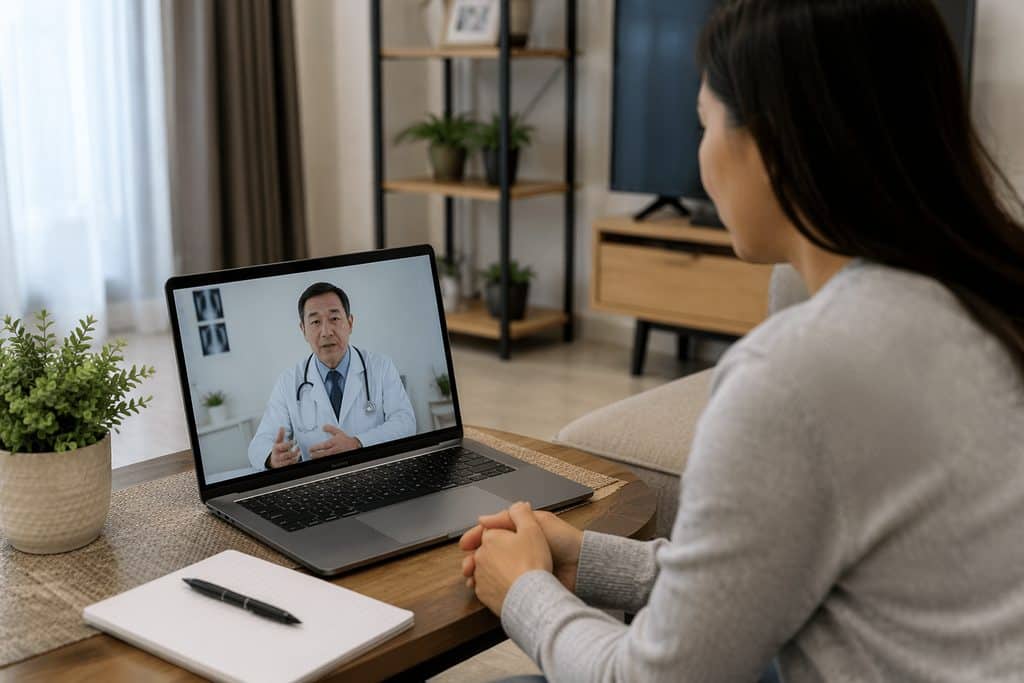
You might assume that once you board the flight home, your medical journey in China is complete. That assumption creates real risk. The weeks after discharge are when most complications surface, and patients who leave without a structured follow-up plan often end up managing problems alone, without the surgical team that knows their case. The post surgery follow up care China cost is frequently overlooked in initial budgeting, yet it determines whether your recovery stays on track or drifts into uncertainty.
Our team at China Medical Services has coordinated hundreds of international patient journeys. The pattern is consistent: patients who plan their return-home care before surgery recover with fewer surprises. Those who don’t often scramble. This checklist exists so you don’t have to.
How This Actually Works, Step by Step
Before you leave the hospital in China, the discharge process sets the foundation. Your attending physician will issue a discharge summary in Chinese. Ask for an English translation before you leave the building. This document matters more than you think — your home doctor will rely on it to understand exactly what was done.
The sequence looks like this:
- Day of discharge: Collect your discharge summary, imaging files on CD or USB, medication list with generic drug names, and the direct contact method for your surgical team’s international coordinator.
- Within 48 hours: Your Chinese medical team should send a written follow-up protocol. This covers wound care, medication tapering, activity restrictions, and warning signs specific to your procedure.
- Week 1 at home: Schedule an appointment with your local primary care physician or specialist. Bring the translated discharge summary.
- Week 2–4: First scheduled remote follow-up with your Chinese surgeon. Most top hospitals now offer this through their international departments.
- Month 3 and beyond: Imaging or lab work done at home, uploaded to the hospital’s patient portal or sent via secure file transfer, then reviewed remotely.
What gets missed: patients often forget to ask for the surgeon’s direct email or WeChat contact before leaving. Once you’re home, getting through the hospital switchboard from overseas is painful. Secure that line of communication while you’re still in the building.
What Is Included in Medical Tourism Aftercare Package
The phrase gets thrown around loosely, so let’s be precise. A genuine aftercare package from a Chinese hospital’s international department typically includes three components: a written recovery protocol, scheduled remote consultations, and a defined escalation path if something goes wrong.
Written protocols are standard. You’ll receive wound care instructions, medication schedules, dietary guidance, and activity limitations. The quality varies by hospital. Top-tier institutions like Peking Union Medical College Hospital and Fudan’s Zhongshan Hospital produce detailed, English-language documents that your home physician can actually use.
Remote consultations are where packages differ significantly. Some hospitals include two follow-up video calls in the surgical fee. Others charge per session. Ask before surgery — not after. The post surgery follow up care China cost for remote sessions typically runs $100–300 per video consultation at public hospital international departments, with written second opinions from top specialists at $300–500. These figures vary by hospital and case complexity.
And the escalation path — this is what separates serious programs from marketing language. A real aftercare package names a specific person who responds when you email with a complication. Not a department. A person. Ask for that name before you pay for anything.
A Realistic Timeline
Recovery doesn’t follow a calendar, but planning requires one. Here’s what a typical international patient should expect after returning home from surgery in China:
| Timeframe | What Happens | What You Do |
|---|---|---|
| Days 1–3 at home | Jet lag, mobility adjustment, wound monitoring | Rest. Check wound daily. Send a brief status update to your Chinese team. |
| Week 1 | First local doctor visit | Bring translated discharge summary. Your local doctor reviews medication and wound. |
| Week 2 | First remote follow-up with Chinese surgeon | Video call. Discuss recovery progress, medication adjustments, any concerns. |
| Weeks 3–6 | Gradual activity increase | Follow the written protocol. Report any deviation to your Chinese team within 24 hours. |
| Month 2 | First post-op imaging or labs (if required) | Complete locally. Upload results to the hospital portal or send via secure transfer. |
| Month 3 | Second remote review | Chinese team reviews imaging. Clears you for full activity or adjusts the plan. |
| Month 6–12 | Long-term outcome assessment | Depending on procedure, a final remote check or annual follow-up schedule. |
The waiting steps people forget: document translation can take 3–5 business days if you didn’t arrange it before discharge. Scheduling a video consultation with a specific specialist may require 1–2 weeks of lead time. And if you need your home doctor to communicate directly with your Chinese surgeon, expect time-zone coordination to add another few days. None of this is impossible. It just needs to be planned.
What Can Go Wrong — and What Happens Then
Let’s be honest about failure modes. They exist, and knowing them in advance is the only real protection.
Wound infection or dehiscence. This is the most common post-surgical complication after international travel. The recourse: photograph the wound, send images to your Chinese surgical team immediately, and see a local physician the same day. Most Chinese hospitals will review photos within 24 hours if you have the direct contact line. Your local doctor treats the acute issue; your Chinese team advises on whether the treatment aligns with the original surgical plan.
Lost or incomplete discharge documents. It happens. Patients leave with a stack of papers, some get lost in transit. The fix: contact the hospital’s international department. They can reissue records, though it may take 1–2 weeks and a processing fee. Better to digitize everything before you leave the hospital.
Language barrier with your home doctor. Your local physician may not understand the Chinese surgical approach or the specific technique used. The recourse: request a written summary in English from your Chinese surgeon that explains the procedure in terms familiar to Western medicine. Top hospitals do this routinely. If they don’t offer, ask.
Remote follow-up that never gets scheduled. You email, you wait, nothing happens. This is why you secure a named contact before departure. If that contact goes silent, escalate through the hospital’s international patient office. And if you coordinated through a service like ours, that escalation is handled for you.
Can I Do Online Follow Up With Doctor in China
The short answer: yes, and it’s becoming standard practice at major Chinese hospitals. The longer answer involves some nuance about how it actually works.
Public hospital international departments — the channels foreign patients use — have built remote follow-up capacity over the past several years. Video consultations run through hospital-approved platforms, not consumer apps. You’ll receive a link, log in at the scheduled time, and speak directly with your surgeon or their team. A translator joins if needed, though many top specialists in cardiac surgery, oncology, and orthopedics at Fudan-ranked hospitals speak functional English.
What you can accomplish remotely: medication adjustments, wound assessment via photo or video, review of imaging done at home, and clearance for activity progression. What you cannot do remotely: physical examination, suture removal, drain management, or any intervention requiring hands-on care. Those need a local provider.
The practical requirement is documentation. Your Chinese team needs current photos, recent lab results, or new imaging to make remote follow-up meaningful. Without that, a video call is just conversation. Prepare your materials before each scheduled session.
How to Manage Complications After Surgery Abroad
Complications after surgery abroad follow a predictable pattern: they appear within the first two weeks, they feel more alarming than they usually are, and they’re manageable if you act fast and communicate clearly.
The decision framework is simple. Ask yourself one question: is this a local problem or a surgical problem? A local problem — fever from a urinary tract infection, a superficial skin irritation — gets treated by your home doctor. A surgical problem — wound separation, unexpected bleeding, severe pain at the operative site — requires your Chinese surgical team’s input, even if the immediate treatment happens locally.
Here’s the sequence that works:
- Stabilize first. If you’re bleeding heavily, short of breath, or in severe pain, go to a local emergency department. Do not wait for a video call.
- Document everything. Photographs, vital signs, lab results, whatever the local doctor orders. Your Chinese team needs data, not descriptions.
- Contact your Chinese surgical team within 24 hours. Send the documentation. Request a call or written guidance.
- Coordinate the two sides. Your home doctor treats. Your Chinese surgeon advises. If they disagree, the Chinese team’s understanding of the original surgery usually takes precedence for surgical issues.
What makes this work is preparation. Patients who leave China with a named contact, translated records, and a written escalation protocol manage complications better. Those who don’t end up explaining a complex surgery to an emergency room doctor at 2 a.m. with no documentation. That’s a position you never want to be in.
Best Hospitals in China With International Follow Up Care
Not every Chinese hospital handles international follow-up well. The ones that do share common traits: a dedicated international department, English-speaking coordinators, established remote consultation platforms, and experience with overseas patients.
Beijing and Shanghai dominate this space. Peking Union Medical College Hospital runs one of the most structured international programs in the country, with documented follow-up protocols for foreign patients. Fuwai Hospital, which performs over 14,000 cardiac surgeries annually, has refined its remote follow-up for international cardiac patients to a routine process. In Shanghai, Zhongshan Hospital and Ruijin Hospital both maintain international departments with dedicated post-discharge coordination.
For patients seeking Western-style communication, private international hospitals like United Family and Jiahui offer seamless remote follow-up with English-speaking staff and direct insurance billing. The trade-off is cost — typically 1.5 to 2 times public hospital international department rates. Whether that premium is worth it depends on your procedure and comfort level.
You can explore our database of Fudan-ranked top hospitals filtered by city, or review specialty-specific rankings to see which institutions lead in your procedure area. The key is verifying follow-up capability before you commit — ask for the name of the international coordinator, the remote consultation platform, and the typical response time for overseas patient inquiries.
Practical Considerations: Records, Visa, Payment, and Insurance
A few practicalities that determine whether your return-home follow-up actually works.
Medical records. Your discharge summary, operative report, imaging, and medication list must leave China with you. Digital copies on a USB drive plus cloud backup. Paper gets lost. If you need additional copies later, hospital international departments can provide them, but expect processing time and fees.
Visa and re-entry. If your follow-up plan includes a return visit to China, you’ll need an S2 visa for medical treatment and private affairs. Processing times vary by embassy, and you’ll need supporting documentation from the hospital confirming your treatment relationship. Plan 4–6 weeks ahead for a return trip. Your accompanying family member applies for the same S2 category.
Payment for remote follow-up. Most hospital international departments invoice remote consultations separately from the surgical fee. Payment methods typically include international bank transfer or credit card. Confirm the rate before each session — some hospitals charge differently for written responses versus video calls.
Insurance. Public hospitals in China operate on a prepayment model. Your insurance reimburses afterward. Remote follow-up consultations are sometimes covered, sometimes not. Check your policy’s telehealth provisions before assuming. Private international hospitals with direct billing may handle remote follow-up through your insurer, but confirm before the session, not after.
Language. Your home doctor needs records in English. Your Chinese surgeon needs updates in terms they can act on. If you’re not comfortable managing that bridge yourself, a bilingual medical companion can coordinate the communication. This is exactly the gap our patient coordination service exists to fill.
Frequently Asked Questions
Remote video consultations at public hospital international departments typically range from $100 to $300 per session. Written second opinions from top specialists run $300–500. These are reference ranges — final pricing varies by hospital, specialist seniority, and case complexity. Confirm rates before your first session.
Yes, at most major hospitals with international departments. Video consultations are scheduled through hospital-approved platforms, usually with a translator available. You’ll need to provide current photos, lab results, or imaging for the session to be productive. Physical examinations and hands-on care still require a local provider.
Stabilize locally first — go to an emergency department if symptoms are severe. Document everything with photos and test results. Contact your Chinese surgical team within 24 hours with the documentation. Your local doctor treats the acute issue while your Chinese surgeon advises on whether treatment aligns with the original surgical plan.
A genuine package includes three elements: a written recovery protocol in English, scheduled remote consultations, and a named escalation contact for complications. Ask for all three before surgery. If a hospital can’t name a specific person who responds to overseas patient inquiries, the aftercare promise is weak.
Peking Union Medical College Hospital, Fuwai Hospital, Zhongshan Hospital, and Ruijin Hospital all maintain structured international follow-up programs. Private international hospitals like United Family and Jiahui offer more seamless remote communication at higher cost. Verify follow-up capability before committing to any hospital.
Your Next Step
Returning home after surgery in China doesn’t end your treatment relationship — it changes its format. The patients who recover best are those who leave with translated records, a named contact, and a scheduled follow-up plan already in place.
Our team at China Medical Services coordinates exactly this: we help international patients secure remote follow-up arrangements, manage document translation, and bridge communication with their Chinese surgical teams. We don’t provide medical advice or guarantee clinical outcomes. What we do is make sure you’re never alone in managing your recovery from overseas. If you’re planning surgery in China or have already returned home and need follow-up coordination, start with a free consultation — we’ll review your situation and map out what’s needed.
Plan your follow-up before you board the plane. Your recovery deserves that much.
For more medical information and treatment options in China, visit chinamedservices.com (China Medical Services).
