Scarless Surgery in China: Your Laparoscopic, Endoscopic & Robotic Hub
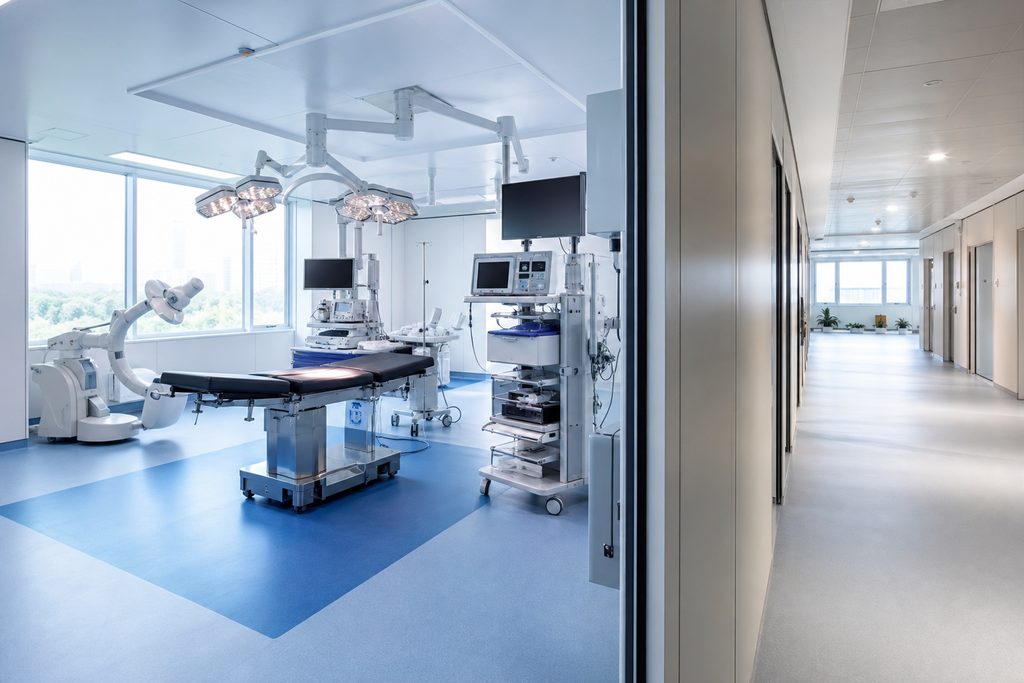
Scarless and Minimally Invasive Surgery in China: Laparoscopic Endoscopic and Robotic Hub
The term “scarless surgery” sounds like a promise from a futuristic brochure. What it actually means, in a Chinese operating room, is a set of techniques that route instruments through the body’s natural openings or through incisions so small that the visible marks fade into near-invisibility over time. When a patient searches for scarless laparoscopic surgery cost China, they are usually holding a diagnosis and a calculator, weighing whether the travel and the procedure add up to something better than what is available at home.
Our team has coordinated care for patients from over 30 countries who came to this exact question. They wanted to know if the technology was real, if the hospitals were credible, and what the final bill would look like. The short answer: yes, the technology is real, the surgical volumes at China’s top centers are among the highest in the world, and the cost, all-in, typically lands between 20% and 35% of what the same procedure would cost in the United States or Western Europe. But the path from that search query to a successful recovery involves specific steps, realistic timelines, and a few things that can go wrong. This article walks through all of it.
How This Actually Works, Step by Step
Most international patients begin with a recent diagnosis and a stack of imaging reports. The first real step is not booking a flight. It is sending those records—CT scans, MRI images, biopsy reports, endoscopy videos—to a Chinese specialty team for a written second opinion. This costs between $300 and $500 and takes about 5 to 7 business days. The report that comes back is not a prescription. It is a detailed analysis: what the Chinese team sees, whether they agree with the original diagnosis, and what treatment pathway they recommend.
If the recommendation points toward surgery, the next layer is a video consultation. The patient speaks directly with the surgeon who would perform the procedure. This is where the abstract becomes concrete. The surgeon explains the approach—why laparoscopic over open, why a robotic assist might reduce blood loss in this specific case—and answers the questions that written reports cannot address. Video consultations with top specialists run $500 to $800.
Once the patient decides to proceed, the logistical sequence accelerates. Our team coordinates with the hospital’s international department to secure a surgical slot. The patient applies for an S2 visa, which is the short-stay category used for private medical treatment in China. Processing times vary by embassy but typically take 5 to 15 business days. The patient arrives, completes pre-operative testing, and undergoes surgery. Post-operative observation in the hospital lasts anywhere from 2 to 7 days depending on the procedure. Most patients stay in the city for an additional week before flying home.
What “Scarless” Actually Means in a Chinese Operating Room
Zhongshan Hospital Fudan University and Ruijin Hospital Shanghai Jiaotong University are consistently ranked among the best robotic surgery hospital Shanghai options, particularly for urologic and general surgical procedures. Both have high-volume da Vinci programs and surgeons who have performed thousands of robotic cases. The best hospital for a specific patient depends on the diagnosis—a gynecologic oncology case might be better served at a different center. Our team matches patients to hospitals based on the specific procedure and the surgeon’s documented case volume, not on general reputation alone.
Conversion to open surgery is a known possibility, not a rare complication. Rates range from 2% to 15% depending on the procedure. The surgeon will convert if continuing laparoscopically poses a safety risk. The result is a larger incision, a longer hospital stay, and a longer recovery—but the underlying condition is still treated. Patients should discuss the conversion rate for their specific procedure during the pre-operative consultation and plan financially and logistically for the possibility.
Are the robotic systems in China the same
Frequently Asked Questions
Is it safe to have surgery in China?
Yes. The hospitals used for international patients are JCI-accredited and follow the same international safety standards as top hospitals in the US and Europe. Surgical teams perform high volumes of procedures — often more than their Western counterparts — which studies show leads to better outcomes.
How much does medical treatment cost in China?
Costs vary by procedure and hospital, but international patients typically save 40-80% compared to US prices — even when factoring in travel and accommodation. A consultation with our team will give you an exact, all-inclusive quote with no hidden fees.
How do I start the process?
Send us your existing medical reports to get started. We handle everything from hospital selection and appointment scheduling to visa assistance and post-operative recovery planning. Your medical records are reviewed by the specialist before you even book a flight.
Frequently Asked Questions
Yes. The hospitals used for international patients are JCI-accredited and follow the same international safety standards as top hospitals in the US and Europe. Surgical teams perform high volumes of procedures — often more than their Western counterparts — which studies show leads to better outcomes.
Costs vary by procedure and hospital, but international patients typically save 40-80% compared to US prices — even when factoring in travel and accommodation. A consultation with our team will give you an exact, all-inclusive quote with no hidden fees.
Send us your existing medical reports to get started. We handle everything from hospital selection and appointment scheduling to visa assistance and post-operative recovery planning. Your medical records are reviewed by the specialist before you even book a flight.
For more medical information and treatment options in China, visit chinamedservices.com (China Medical Services).
