Should I Test My Thyroid? Understanding Costs, Accuracy, and Timing
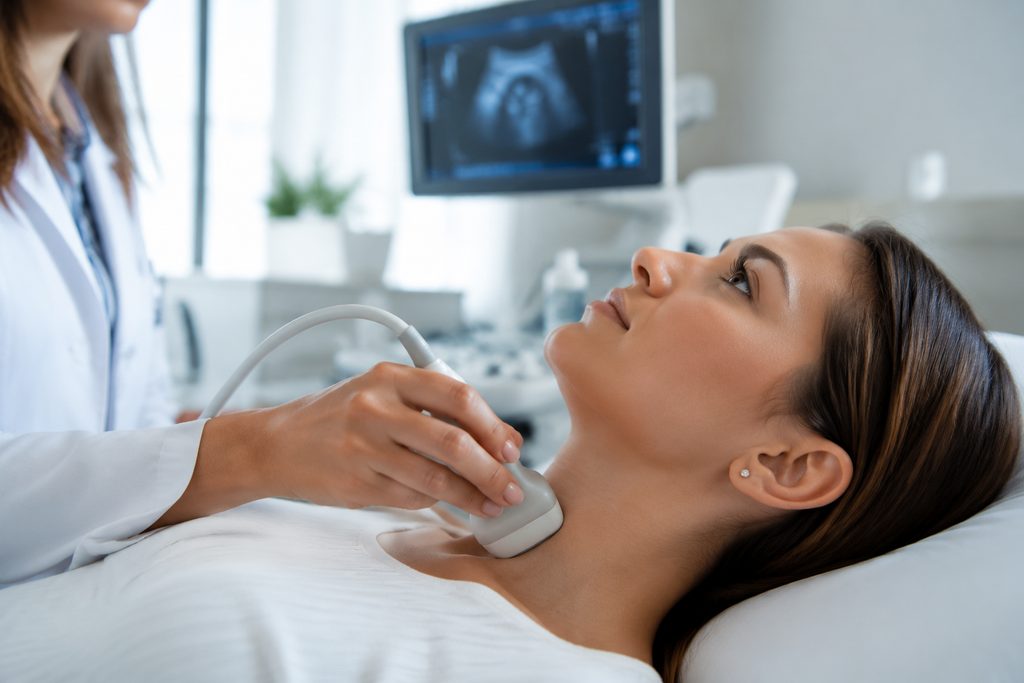
A thyroid panel is a set of blood tests that measures how well your thyroid gland is working. The gland sits at the base of your neck. It produces hormones that control metabolism, heart rate, body temperature, and energy levels. When it malfunctions, you feel it everywhere.
Should you test yours? The short answer is yes, if you have symptoms like unexplained fatigue, weight changes, hair loss, anxiety, or a family history of thyroid disease. Thyroid disorders affect approximately 1 in 8 people at some point in life, and women are five to eight times more likely than men to develop one. The longer answer involves cost, accuracy, timing, and where you get tested. That is what this article covers, including the thyroid test cost China and how it compares to other countries.
How This Actually Works, Step by Step
You start with symptoms. Maybe you feel cold when everyone else is comfortable. Maybe your heart races at rest. You search online, read about hypothyroidism and hyperthyroidism, and wonder if a test is worth it.
Here is the actual sequence.
First, you decide which tests you need. A basic panel typically includes TSH (thyroid-stimulating hormone), Free T4, and Free T3. Some doctors add thyroid antibodies (TPOAb and TgAb) to check for autoimmune thyroiditis. You may also need a thyroid ultrasound if a physical exam finds a nodule or goiter.
Second, you get the blood drawn. This takes five minutes. No fasting is required for TSH and Free T4 in most cases, though some labs prefer morning draws because TSH levels fluctuate throughout the day. Biotin supplements can interfere with results, so stop taking them 48 hours beforehand.
Third, the lab processes your sample. Results usually come back within 24 to 72 hours. You receive a report with numbers and reference ranges.
Fourth, someone interprets those numbers. A TSH above the reference range suggests hypothyroidism. Below it suggests hyperthyroidism. But borderline results are common, and interpretation depends on your symptoms and medical history. That is why a doctor’s review matters.
Fifth, you decide what to do next. Normal results may mean looking elsewhere for the cause of your symptoms. Abnormal results usually lead to treatment, repeat testing, or imaging.
What a Thyroid Panel Actually Measures — and Why the Numbers Confuse People
TSH is the main screening test. It is produced by the pituitary gland in the brain and tells your thyroid how hard to work. High TSH means the pituitary is shouting at a sluggish thyroid. Low TSH means the thyroid is overproducing and the pituitary has gone quiet.
Free T4 and Free T3 are the actual hormones. T4 is the storage form, T3 is the active form. Most of the time, TSH and Free T4 are enough. Free T3 is useful when results are inconsistent or symptoms persist despite normal TSH.
Antibody tests matter for autoimmune disease. Hashimoto’s thyroiditis is the most common cause of hypothyroidism in iodine-sufficient regions. Graves’ disease drives most hyperthyroidism. Both involve antibodies attacking the thyroid. Testing for them tells you whether the problem is autoimmune.
Here is where people get confused. Reference ranges vary between labs. A TSH of 4.5 mIU/L might be flagged as high by one lab and borderline by another. Age matters too — older adults naturally run slightly higher TSH. Pregnancy completely changes the picture. And some people feel symptomatic at TSH levels inside the “normal” range.
So is thyroid testing accurate in China? The short answer is yes. Chinese hospital laboratories use the same third-generation immunoassay analyzers found in Western labs — Roche, Abbott, Siemens, Beckman Coulter. Quality control follows international standards. The bigger variable is not the machine but the interpretation, which is why a doctor’s review of your specific context matters more than the raw number.
A Realistic Timeline
Most people underestimate how long the process takes, especially when traveling for medical care. Here is a realistic breakdown for getting a thyroid panel done in China as an international patient.
| Stage | What Happens | Realistic Duration |
|---|---|---|
| Day 1–3 | You research hospitals, compare costs, and contact a coordinator or the hospital’s international department | 1–3 days |
| Day 4–5 | You send existing medical records, symptom description, and any prior thyroid results for review | 1–2 days |
| Day 6–10 | Records are translated and reviewed; the endocrinology department confirms whether an appointment is appropriate | 3–5 days |
| Day 11–30 | You arrange travel. If you need an S2 visa, processing typically takes 4–10 business days after the hospital provides the supporting invitation letter | 1–3 weeks |
| Day of visit | Blood draw takes 5–10 minutes. A thyroid ultrasound, if ordered, takes 15–20 minutes | Same day |
| After visit | Lab results arrive in 24–72 hours. A written report or follow-up video consultation is scheduled | 1–5 days |
The waiting steps people forget are document translation and appointment lead time. Top endocrinology departments in Shanghai and Beijing book out days or weeks in advance, not hours. If you want a specific senior specialist, add more lead time.
What Can Go Wrong — and What Happens Then
Testing is straightforward. That does not mean nothing goes wrong.
One common problem is biotin interference. Biotin, found in hair and nail supplements, can falsely lower TSH and falsely raise Free T4 readings. If your results look inconsistent with your symptoms, the lab may ask whether you take biotin and recommend retesting after a washout period.
Another issue is timing. TSH follows a circadian rhythm, peaking in the early morning. An afternoon draw can miss a mild elevation. If your TSH is borderline, your doctor may repeat the test in the morning before making any diagnosis.
Lab errors happen, though rarely. If a result is wildly unexpected, the standard response is a repeat draw at the same lab or a different one. No one should start lifelong thyroid medication based on a single abnormal test without confirmation.
Then there is the interpretation gap. A lab report flags a value as high or low based on a general reference range. But your age, pregnancy status, medications, and symptoms change what “normal” means for you. A good endocrinologist reads the number in context. A bad one treats the lab sheet. If you feel dismissed, seek a second opinion. That is your right, not a luxury.
Thyroid Test Cost China vs. Abroad: What the Numbers Actually Show
How much does a thyroid panel cost abroad? In the United States, a basic TSH test without insurance typically runs $50 to $150. A full panel with Free T4, Free T3, and antibodies can reach $300 to $600. With insurance, you may pay a copay, but high-deductible plans often leave you covering the full amount anyway.
In the United Kingdom, NHS testing is free at the point of care, but private panels cost £80 to £250. In Germany, a private thyroid panel runs €60 to €180. In Australia, expect AUD $100 to $250 for private testing.
The thyroid test cost China is significantly lower. A basic TSH, Free T4, and Free T3 panel at a top-tier public hospital in Shanghai or Beijing typically costs between $15 and $40 USD. Adding antibody tests brings the total to roughly $30 to $70. A thyroid ultrasound costs $40 to $100 at most major hospitals. These prices are for the tests themselves — coordination, translation, and bilingual support are separate services.
| Country | Basic Panel (TSH, FT4, FT3) | Full Panel with Antibodies | Thyroid Ultrasound |
|---|---|---|---|
| United States | $50–$150 | $300–$600 | $200–$500 |
| United Kingdom (private) | $100–$320 | $250–$500 | $150–$350 |
| Germany (private) | $65–$200 | $180–$400 | $120–$300 |
| China (top public hospital) | $15–$40 | $30–$70 | $40–$100 |
Costs vary by hospital and case complexity. Private international hospitals in China charge more — typically $80 to $200 for the same panel — but they offer English-speaking staff and direct insurance billing. If you are combining a thyroid check with other medical care, the savings widen further.
Can I Get a Thyroid Ultrasound in Beijing? Yes — Here Is What to Know
Ultrasound is the imaging standard for thyroid nodules and structural abnormalities. It is painless, radiation-free, and takes under 20 minutes. China performs an enormous volume of thyroid ultrasounds, which means the technicians and radiologists reading them see a high caseload.
Can I get a thyroid ultrasound in Beijing? Yes. Major hospitals with strong endocrinology and ultrasound departments include Peking Union Medical College Hospital, China-Japan Friendship Hospital, and Beijing Hospital. You will need a doctor’s order first — you cannot simply walk in and request an ultrasound without a clinical indication. The process is: see an endocrinologist, get the order, schedule the scan, and receive the report, usually within the same day or the next.
For those asking about the best endocrinology hospital Shanghai thyroid check, Shanghai Ruijin Hospital and Zhongshan Hospital Fudan University both have nationally recognized endocrinology departments. Ruijin’s endocrine and metabolic disease department is among the largest in China. Zhongshan’s ultrasound department handles high volumes of thyroid imaging daily.
If your goal is to book thyroid function test China medical tourism, the practical path is to contact a coordinator who can arrange the appointment, handle translation, and accompany you through the visit. Walk-in testing as a foreigner with no Chinese language support is possible but frustrating — registration desks, payment counters, and lab queues all operate in Chinese.
Practical Considerations: Records, Visa, Payment, and Follow-Up
Bring any prior thyroid results. If you tested before, bring those numbers. They matter more than you think. A single TSH snapshot tells far less than a trend over six or twelve months.
Visa is the next question. For medical treatment in China, the applicable short-stay category is the S2 visa, which covers private affairs including medical treatment. Your hospital or coordinator provides supporting documents — typically an invitation letter and treatment schedule. S2 processing times vary by embassy, so plan for at least two to four weeks of buffer.
Payment at public hospitals is prepaid. You deposit money at registration, and tests are deducted from that balance. International credit cards are not accepted at most public hospital counters. Bring cash, a Chinese payment app, or arrange payment through a coordinator. Private international hospitals accept major credit cards and often bill insurers directly.
Language is the friction point most people underestimate. Public hospital staff may speak limited English. Signage is largely in Chinese. A bilingual companion who handles registration, payment, queueing, and translation removes most of the stress. This is not a luxury add-on for a thyroid test — it is the difference between a one-hour visit and a lost afternoon.
Follow-up at home is straightforward. Your Chinese lab report uses standard units — mIU/L for TSH, pmol/L or ng/dL for Free T4. Your home doctor can read it directly. If you need medication adjustments, your Chinese endocrinologist can provide a written recommendation that your local physician implements.
Frequently Asked Questions
Routine screening for asymptomatic adults is not universally recommended. The American Thyroid Association and the U.S. Preventive Services Task Force do not endorse population-wide screening. But if you have a family history of thyroid disease, an autoimmune condition, or are planning pregnancy, testing is reasonable. Discuss it with your doctor.
Chinese top-tier hospitals use the same laboratory analyzers and reagents as Western facilities. Accuracy is comparable. The variable is interpretation, not equipment. Make sure an endocrinologist reviews your results in the context of your symptoms, age, and medication use.
This happens more often than people admit. A normal TSH does not rule out every thyroid problem. Some patients have symptoms with high-normal TSH. Others have normal thyroid function but a different condition entirely — iron deficiency, sleep apnea, depression, or perimenopause can all mimic thyroid symptoms. A good doctor investigates rather than dismissing you. If yours does not, get a second opinion.
No. If you are already on levothyroxine or an antithyroid drug, take it as prescribed. The test measures how well your current dose is working. Stopping medication before a test gives you useless information and can make you feel unwell.
Not exactly. The blood draw requires you to be physically present. But you can arrange everything remotely — send your records, confirm the test list, schedule the appointment, and handle payment — before you arrive. Some patients combine a thyroid check with a broader health screening during a single trip. If you are considering that, our team at China Medical Services can help you map out the logistics.
Your Next Step
Testing your thyroid is a low-cost, low-risk way to answer a question that has been nagging you. The numbers are reliable. The cost in China is a fraction of what you would pay in the United States or Europe. The real challenge is logistics — language, registration, and interpretation.
That is where we come in. Our team at China Medical Services helps international patients arrange thyroid testing at top-tier Chinese hospitals, with translation support and bilingual accompaniment throughout the visit. We do not practice medicine and we do not interpret your results — we connect you with the specialists who do. If you are ready to explore testing, start with a free consultation about your situation and we will map out the most practical path forward.
For more medical information and treatment options in China, visit chinamedservices.com (China Medical Services).
