Verify the Person on the Call Is a Real Doctor: A 5-Step Guide
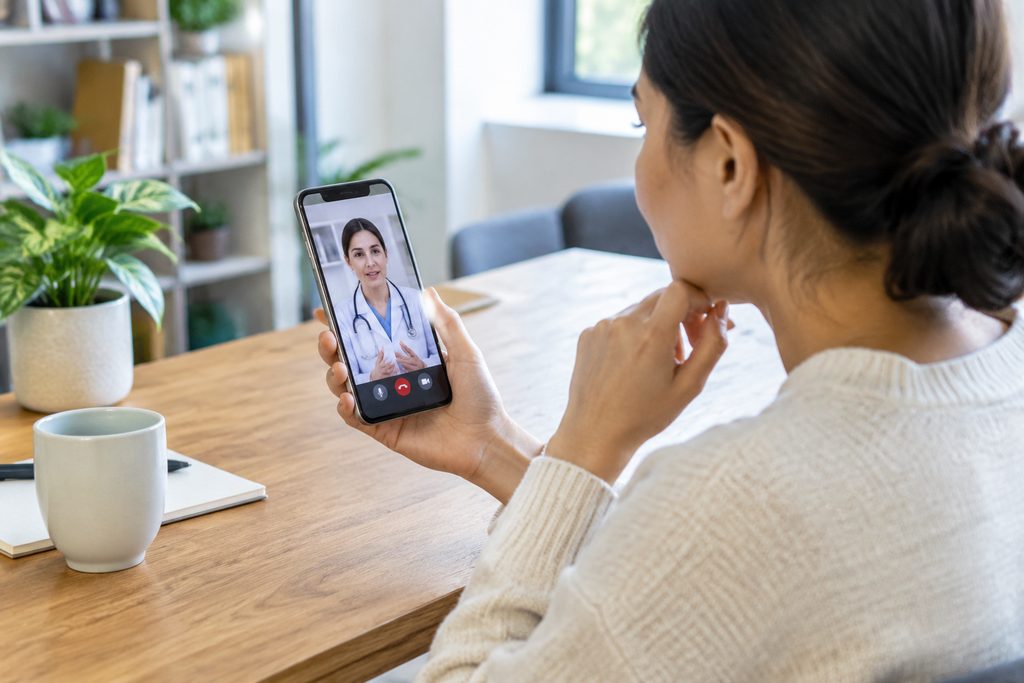
Verify the Person on the Call Is a Real Doctor: The Short Answer
Yes, you can verify the person on the call is a real doctor. The most reliable methods are checking the physician’s license number against a national registry, confirming their hospital affiliation through the hospital’s official website, and asking for their medical council registration details. These steps take less than ten minutes and can prevent you from receiving advice from someone who has never completed medical training.
The complication is that no single database covers every country. A doctor licensed in Germany will not appear in a Thai registry. And in China — where we operate — the verification process looks different from what a patient in Chicago or London might expect. The principles remain the same, but the specific tools change.
Who This Is Right For — and Who It Isn’t
Every patient considering an international medical consultation should verify credentials. But some situations demand it more urgently than others.
You should absolutely verify if you are:
- Paying out of pocket for a video consultation with a doctor you have never met
- Considering surgery or an invasive procedure based on a remote recommendation
- Speaking with someone who contacted you first, unsolicited
- Working with a facilitator or agency that introduced you to the doctor
- Traveling abroad for treatment and relying on a single point of contact
You may not need extensive verification if you were referred by your own primary care physician to a known colleague, or if you are consulting a doctor at a hospital where you already have an established relationship. But even then, a quick license check costs nothing.
Who should not proceed with a remote consultation? Anyone who feels pressured to make an immediate payment decision. Anyone whose “doctor” refuses to share a license number or hospital affiliation. And anyone who cannot independently confirm the doctor’s existence through a second source. Those are not verification challenges — they are red flags.
The Options, Compared
Different verification methods suit different situations. Here is how they stack up.
| Verification Method | Time Required | Reliability | Best For | Limitation |
|---|---|---|---|---|
| National medical license registry | 5–10 minutes | Very high | Confirming the doctor is licensed to practice | Each country has its own system; some are not in English |
| Hospital website staff directory | 5 minutes | High | Confirming current affiliation | Directories may be outdated or incomplete |
| Medical council registration number | Immediate | High | Verifying standing and disciplinary history | Doctor must provide the number first |
| Third-party credentialing service | 1–3 business days | Very high | Comprehensive background checks | Costs money; overkill for a first consultation |
| Facilitator or agency verification | Varies | Depends on the agency | Doctors in countries with language barriers | You must trust the agency’s process |
For most patients, the first three methods are enough. If you are planning a major procedure abroad, adding a third-party check or working with a reputable medical coordination service makes sense. The right column matters: no single method catches everything.
Verify the Person on the Call Is a Real Doctor: The 5-Step Process
Here is the exact sequence we recommend to patients contacting Chinese hospitals through our platform. It works for any country with minor adjustments.
Step 1: Ask for the license number — before the call
A legitimate doctor will not hesitate. In China, every practicing physician holds a Medical Practitioner License issued by the National Health Commission. The license number is public information. If the person on the call cannot or will not provide it, end the conversation.
And no, “I have been practicing for 20 years” is not a substitute for a license number.
Step 2: Run the number through the official registry
China’s physician license verification is available through the National Health Commission of the People’s Republic of China website. The interface is in Chinese, which is where a bilingual coordinator helps. For doctors in the United States, use the Federation of State Medical Boards’ DocInfo.org. In the UK, the General Medical Council register. In most EU countries, the national medical chamber maintains a searchable database.
Check the doctor’s name, license status, and any disciplinary actions. A suspended license should end the conversation immediately.
Step 3: Confirm the hospital affiliation independently
Do not rely on what the doctor tells you. Go to the hospital’s official website and search the staff directory. Top Chinese hospitals like Fudan-ranked institutions maintain public physician profiles with photos, specialties, and publication lists. If the doctor claims to work at Peking Union Medical College Hospital but does not appear on the hospital’s site, something is wrong.
Call the hospital’s international department directly if the directory is unclear. Ask one question: “Does Dr. [Name] practice at your hospital?” The answer settles it.
Step 4: Cross-check the specialty and title
A real doctor can be real and still not be the specialist you need. In China, physicians hold specific professional titles: Attending Physician, Associate Chief Physician, and Chief Physician. The title reflects years of practice and clinical responsibility. A “professor” title often indicates an academic appointment alongside clinical work.
Verify that the doctor’s listed specialty matches the condition you are discussing. A cardiologist is not an oncologist. This is obvious, but in a remote consultation with language barriers, titles get blurred.
Step 5: Use a trusted coordinator for cross-border cases
When you are in Houston and the doctor is in Shanghai, running these checks yourself is hard. The registry is in Chinese. The hospital switchboard may not have English-speaking staff. This is where a medical coordination service earns its fee. Our team verifies physician licenses and hospital affiliations before any consultation we arrange. We also translate the verification results into English so you can review them yourself.
But you should still ask. A good coordinator will welcome the question. A bad one will dodge it.
What It Costs
Verification itself is nearly free. Running a license check through a national registry costs nothing. A hospital website search costs nothing. Your time is the only expense — about 15 minutes if you speak the language, longer if you do not.
What if you want help? Here is what professional verification typically costs:
- Bilingual license verification through a coordination service: often included in the consultation fee, or from $50 as a standalone task
- Third-party credentialing report: $100–300 depending on depth
- Video consultation with a verified specialist at a Chinese hospital international department: $100–300 for standard specialists, $500–800 for top-ranked experts
Any consultation fee you pay through our platform is credited in full toward on-the-ground coordination if you later travel to China for treatment. That credit applies within 90 days and covers coordination only, never hospital treatment charges.
Practical Considerations: Documentation, Timing, and Language
Before your first call, request the doctor’s license number and full name in writing. Do not accept a verbal confirmation. Written records protect you if something goes wrong.
Timing matters. If you are calling a doctor in China, remember the time difference. Beijing is 12–13 hours ahead of New York depending on daylight saving. A 9 AM call in Shanghai is 9 PM the previous night in Washington. Confirm the time zone in writing.
Language is the biggest practical barrier. Many top Chinese physicians speak English, especially at international departments and JCI-accredited private hospitals. But not all do. If the doctor speaks only Mandarin, request a medical interpreter. A bilingual medical companion from $300 per day covers translation during in-person visits. For video calls, many hospitals provide English-speaking coordinators at no extra charge through their international departments.
Insurance rarely covers verification itself. But it may cover the consultation if the doctor is licensed and the visit is medically necessary. Check your policy before booking. And if you pay out of pocket, ask for a receipt with the doctor’s license number printed on it. That documentation helps with reimbursement claims.
Frequently Asked Questions
The National Health Commission registry is not available in English. You have three options: use a bilingual coordinator to run the check and translate the result, contact the hospital’s international department and ask them to confirm the doctor’s license status in writing, or request a copy of the doctor’s Medical Practitioner License directly. The license document itself includes an English name field in most cases. Any of these methods works.
This happens. Chinese public hospitals handle enormous call volumes, and international departments may take days to respond to email. Do not interpret a slow response as a red flag. But do not proceed with a consultation until you have written confirmation. A legitimate medical coordination service will have direct contact channels with hospital international departments, which speeds this up considerably. If no one can confirm the affiliation after two weeks of trying, find another doctor.
You would have limited legal recourse. China’s medical licensing laws protect patients, but enforcement against unlicensed practitioners is harder to navigate as a foreigner. You may not be able to recover fees or claim damages through Chinese courts without significant legal help. This is why verification before treatment matters so much. The cost of checking a license is near zero. The cost of skipping the check can be your health and your money.
Your Next Step
Verifying a doctor’s credentials is not paranoia. It is the same due diligence you would apply to any major financial decision — and your health deserves at least that much scrutiny. The five steps above work in any country, and they take less than half an hour.
We are China Medical Services, and we help international patients navigate the Chinese healthcare system — from hospital matching to bilingual accompaniment to visa guidance. We are not a hospital, and we do not provide diagnoses or medical advice. What we do is verify the doctors we introduce you to, so you never have to wonder whether the person on the call is real. If you are considering a consultation with a Chinese specialist, request a free consultation and we will walk you through the verification process before any medical conversation begins.
You should never have to guess whether the person on the call is a real doctor. Now you do not have to.
For more medical information and treatment options in China, visit chinamedservices.com (China Medical Services).
