Is a Smile Makeover Worth It? Real Costs, Results & Timeline
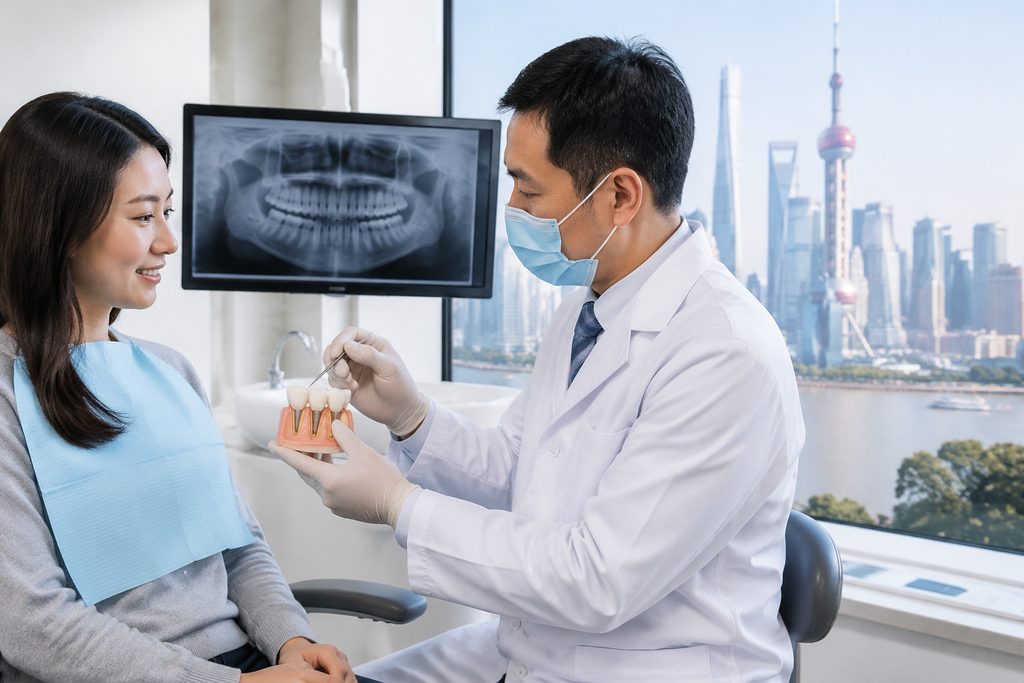
When 34-year-old Sarah from Manchester started researching veneers, the quotes she received at home stopped her cold. £9,000 for eight porcelain veneers. Another clinic quoted £12,500. Her teeth were healthy but stained and slightly crowded. She wanted a change, not a second mortgage. That search eventually led her to compare the smile makeover cost China offers against UK and US pricing — and what she found surprised her. The same materials, the same digital smile design workflow, often at a fraction of the price. But price alone never tells the whole story. Worth is about longevity, safety, and whether the result matches what you actually need.
How This Actually Works, Step by Step
You start with records, not flights. Most international patients send recent panoramic X-rays, intraoral photographs, and sometimes a short video of their smile. A Chinese cosmetic dentistry team reviews these and gives you a preliminary assessment: which teeth need what, how many veneers make sense, whether orthodontics should come first. This written or video consultation typically costs between $100 and $300 for a standard international department, or $300 to $500 for a written second opinion from a senior specialist at a top-tier hospital.
Step two is the treatment plan. The dentist maps out the exact procedures — veneers, crowns, whitening, gum contouring — and the sequence. You get a line-item estimate. Step three is scheduling. You book the appointment window, arrange your S2 visa for medical treatment, and fly to Shanghai, Beijing, or Guangzhou. The clinical work happens in two visits for most veneer cases: preparation and temporaries, then final bonding ten to fourteen days later. Some clinics offer same-week smile design using CAD/CAM technology, but you should still budget for at least one follow-up visit.
We handle the coordination — hospital matching, appointment logistics, bilingual accompaniment. You focus on the decision itself.
What a Smile Makeover Actually Costs in China
Let’s talk numbers, because that’s what most people search for when they type “smile makeover cost China” into Google. Chinese pricing varies significantly by tier. A public top-ranked hospital’s international department charges more than a regular outpatient clinic but still lands far below Western private practice rates. Private international hospitals like United Family or Jiahui are the most expensive option in China — comparable to mid-range European pricing — but offer English-speaking staff and direct insurance billing.
| Procedure | China (Public Top-Tier, International Dept.) | China (Private International Hospital) | USA Average | UK Average |
|---|---|---|---|---|
| Porcelain veneer (per tooth) | $250–$600 | $500–$900 | $1,500–$2,500 | $600–£1,200 |
| Full smile makeover (8–10 veneers) | $2,000–$6,000 | $4,000–$9,000 | $12,000–$25,000 | £7,000–£14,000 |
| Teeth whitening (in-office) | $150–$400 | $250–$500 | $500–$1,000 | £300–£600 |
| Gum contouring (per arch) | $300–$800 | $500–$1,200 | $1,500–$3,000 | £800–£1,500 |
| Full mouth reconstruction | $8,000–$20,000 | $15,000–$35,000 | $45,000–$80,000 | £30,000–£55,000 |
These ranges vary by hospital and case complexity. A patient needing eight veneers plus gum contouring will land at the upper end. Someone needing only four veneers and whitening sits at the lower end. The porcelain veneers price abroad comparison holds up consistently: China runs 60–80% below US private practice rates for comparable materials and lab work.
What about the best dental clinic Shanghai smile design? Shanghai hosts several internationally accredited options. The public Ninth People’s Hospital affiliated with Shanghai Jiao Tong University runs one of China’s most respected stomatology departments. Private options like Parkway and Jiahui offer Western-trained cosmetic dentists. The right choice depends on whether you prioritize academic pedigree or hotel-style service. Our top-ranked hospital database breaks down the differences by city and specialty.
A Realistic Timeline
| Stage | Duration | What Happens |
|---|---|---|
| Remote consultation | 3–10 days | Send records, receive preliminary plan and estimate |
| Visa processing (S2) | 1–4 weeks | Apply with hospital invitation letter and treatment plan |
| First clinical visit | 2–3 days | Examination, digital smile design, tooth preparation, temporaries |
| Lab fabrication | 7–14 days | Veneers or crowns made in dental lab |
| Second clinical visit | 2–3 days | Bonding, bite adjustment, final polish |
| Follow-up | 1–2 weeks post-bonding | Minor adjustments if needed, hygiene instructions |
People forget the waiting steps. Document translation takes a few days. Appointment lead time at a top specialist can run two to six weeks. Visa processing depends on your home country’s Chinese embassy. Budget two months from first inquiry to finished smile if everything runs smoothly. Three months is safer.
What Can Go Wrong — and What Happens Then
Veneers chip. Bonds fail. Gums recede and expose margins. A smile makeover is not permanent — most porcelain veneers last 10 to 15 years, sometimes longer with excellent hygiene, but replacement eventually becomes necessary. If a veneer debonds within the first year, reputable Chinese clinics typically recement or replace it at no charge. After that, you pay for repairs.
Color mismatch happens more often than clinics admit. The shade chosen under dental office lighting may look different in daylight. Request to see temporaries in natural light before final bonding. If the final result is clearly off, a good clinic will remake the veneers — but this extends your stay or requires a return trip.
Nerve sensitivity or pulp damage can occur during aggressive preparation. This is rare with experienced cosmetic dentists but not zero. The recourse is root canal treatment, which adds cost and time. Ask about the dentist’s complication rate before you commit. A clinic that dismisses the question is a red flag.
And yes — is dental work in China safe? At top-tier public hospitals and JCI-accredited private clinics, the answer is yes. Infection control standards at these institutions match international norms. Autoclave sterilization, single-use disposables, and sealed instrument packaging are standard. The risk profile shifts if you chase the lowest bidder at an unaccredited strip-mall clinic. Safety correlates strongly with institutional accreditation, not nationality.
How Long Does a Smile Makeover Last — and What Determines That
Porcelain veneers last 10 to 15 years on average. Composite bonding lasts 5 to 7 years. Crowns can last 15 to 25 years. But how long does a smile makeover last depends on three variables: the dentist’s preparation technique, the lab’s ceramic quality, and your habits. Night grinding destroys veneers faster than anything else. If you grind, you need a night guard — budget $150 to $400 for a custom one.
Bite force matters. A patient with a deep overbite who gets veneers without orthodontic correction will chip edges within a few years. That’s why good cosmetic dentists sometimes say no to veneers and recommend braces first. The honest answer to “how long will it last” is a range, not a promise. Ask for the specific ceramic system — e.max lithium disilicate and zirconia are the current standards. If a clinic quotes a price without naming the material, walk.
Practical Considerations: Records, Visa, Payment, and Follow-Up
You need recent X-rays — panoramic and bitewing — plus clear photos. If you don’t have them, the clinic takes them on day one, but that delays the treatment plan. Send what you have.
The S2 visa is the correct category for medical treatment in China. It’s issued for short stays and requires supporting documents: a treatment invitation from the hospital, your passport, and sometimes proof of funds. Processing takes one to four weeks depending on your home country. Family members accompanying you apply for their own S2 visas. We guide you through the document checklist, but approval rests with the consulate.
Payment is upfront at Chinese public hospitals. International departments accept credit cards and bank transfers. Private international hospitals may bill your insurer directly — check before you fly. Most international health insurance policies exclude purely cosmetic procedures, so expect to self-pay for veneers and whitening. If you’re combining the makeover with medically necessary work like root canals or crowns, those portions may be reimbursable.
Follow-up at home is the overlooked piece. Your local dentist should be willing to see you for maintenance — but some won’t touch work done abroad. Find a dentist before you leave who will. Ask the Chinese clinic for a complete treatment summary, material certificates, and digital records you can share.
Frequently Asked Questions
Sometimes. Some clinics offer package pricing for full-arch cases — typically 8 to 10 veneers plus whitening and gum contouring. But packages can bundle procedures you don’t need. Ask for a line-item breakdown and compare it against per-tooth pricing. A package is only cheaper if you’d genuinely use everything included. To book smile makeover package China clinics advertise, request the itemized version before committing.
Most patients don’t. Final bonding is completed before you leave, and minor bite adjustments happen in the days after. But if a veneer debonds or chips within the warranty period, you may need to return — or pay a local dentist to fix it. Ask the clinic about their international warranty policy in writing before you pay.
This is the hardest scenario. Cosmetic outcomes are subjective. A clinic may insist the work is clinically sound while you feel it looks wrong. Protect yourself by approving a digital mock-up and temporary veneers before final bonding. If you reject the temporaries, the clinic should adjust the plan. Once final veneers are bonded, changes mean starting over — at your expense. Get the approval process in writing.
Yes, and it’s often efficient. Root canals, extractions, and implant placement can happen in the same visit window as cosmetic work. But combining procedures extends chair time and healing. A full mouth reconstruction with implants and veneers may require three visits over four to six months. Don’t compress a complex case into one week just to save on flights — healing time is biological, not negotiable.
Your Next Step
A smile makeover is worth it when the price, the dentist’s skill, and your expectations align. China offers genuine savings on high-quality cosmetic dentistry — but only if you choose an accredited institution and understand the timeline. We’re China Medical Services, and we help international patients navigate the Chinese healthcare system — matching you with top-ranked hospitals, coordinating appointments, and providing bilingual support on the ground. We don’t perform dentistry and we don’t promise outcomes. What we do is make the process transparent. If you’re ready to explore what’s possible, request a free consultation and we’ll help you map the path forward.
For more medical information and treatment options in China, visit chinamedservices.com (China Medical Services).
