How Do I Know If I Need Revision Surgery? Key Signs and Next Steps
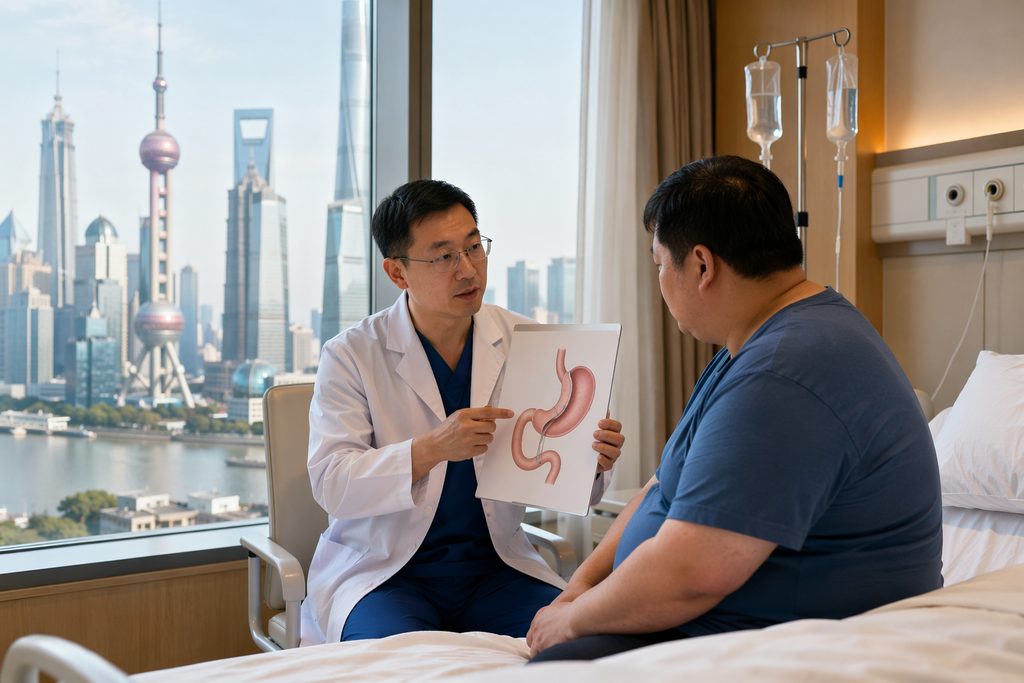
When 47-year-old Daniel from Manchester flew home after his knee replacement in 2023, he expected pain relief within months. Instead, stiffness settled in. Eighteen months later, he couldn’t climb stairs without gripping the railing. His local surgeon said the implant looked “acceptable” on X-ray. Daniel wasn’t convinced. He started searching for answers and landed on a phrase he’d never heard before: revision surgery. If you’re reading this, you might be in a similar position—wondering whether the procedure you already paid for, recovered from, and trusted actually worked. The question “how do I know if my surgery failed” is more common than most patients admit. And the follow-up question—what does revision surgery cost China compared to back home—is what brings many international patients to our desk.
We are China Medical Services. Our team helps patients from North America, Europe, the Middle East, and Southeast Asia evaluate whether a second procedure is truly necessary, then connect them with appropriate specialists across 340+ top-ranked hospitals in 37 cities. This guide walks through the clinical signs, the diagnostic process, realistic timelines, and the financial picture—so you can make a decision based on evidence, not anxiety.
How This Actually Works, Step by Step
You don’t need to book a flight to Beijing to get answers. The process starts with the records you already have. Here’s the sequence we walk patients through every week.
First, you gather everything from your original procedure: operative notes, implant stickers or device cards, post-operative imaging, discharge summaries, and any physical therapy progress notes. These documents tell a story. A good revision specialist reads them like a detective.
Second, we arrange a written second opinion. You send those records to a relevant Chinese specialty team—orthopedics, ENT, plastic surgery, cardiac surgery, whichever applies to your case. A senior specialist reviews the materials and provides a written analysis: whether the original procedure appears technically sound, what the imaging actually shows, and whether revision is indicated or whether conservative management might still work. This costs $300–500 and typically takes 5–10 business days.
Third, if the written opinion raises concerns, we set up a video consultation. You speak directly with the Chinese specialty team, explain your symptoms in your own words, and hear their recommendations. Video consultations range from $100–300 for standard international department physicians to $500–800 for top specialists.
Fourth, if revision is confirmed as necessary, we coordinate the on-the-ground logistics: hospital selection, appointment scheduling, visa documentation, bilingual accompaniment, and recovery planning. The key point: no one should fly to another country for surgery without first confirming through remote evaluation that the procedure is actually needed.
Signs That Your First Surgery May Have Failed
Let’s be direct. Not every disappointing outcome means the surgery failed. Some procedures take longer to heal than patients expect. But certain patterns warrant investigation.
Persistent or worsening pain after the expected recovery window is the most common red flag. For joint replacements, that window is typically 3–6 months. If you’re at month 9 and pain is worse than before surgery, something is wrong. Stiffness that doesn’t respond to physical therapy is another. So is instability—the feeling that a joint might give way, or that hardware is shifting.
For rhinoplasty patients, signs you need revision rhinoplasty include visible asymmetry that wasn’t present before surgery, breathing obstruction, a collapsed nasal valve, or an unnatural appearance that developed after swelling subsided. Swelling can mask results for up to a year, so surgeons typically won’t consider revision before 12 months post-op.
For spinal fusion patients, failed back surgery syndrome shows up as radicular pain (shooting down a leg or arm), new neurological symptoms, or imaging that shows pseudoarthrosis—the fusion simply didn’t take. For cardiac patients, a failed valve repair might present as recurrent shortness of breath, arrhythmias, or echocardiogram findings that show regurgitation.
Infection is a category of its own. Redness, warmth, drainage, fever, or night sweats months after surgery suggest a deep infection. This is serious. It requires immediate evaluation, because infected hardware or implants typically must be removed.
And then there’s the imaging question. X-rays, CT scans, or MRIs may show loosening of components, wear of polyethylene liners, migration of implants, or malalignment. But here’s the nuance: imaging findings don’t always correlate with symptoms. Some patients have radiographic loosening with no pain. Others have severe pain with unremarkable imaging. That’s why you need a specialist who interprets imaging in the context of your clinical story.
A Realistic Timeline
Patients consistently underestimate how long the revision journey takes. Here’s an honest breakdown, assuming you’re starting from “I think something is wrong” and ending at “I’ve had revision surgery in China.”
| Stage | What Happens | Typical Duration |
|---|---|---|
| Week 1–2 | Gather all original surgical records, imaging, and implant documentation. Translate key reports if they’re not in English or Chinese. | 1–2 weeks |
| Week 2–4 | Written second opinion from a Chinese specialty team. You send records; they review and respond with analysis. | 5–10 business days |
| Week 3–6 | Video consultation if the written opinion indicates revision may be needed. Direct conversation with the specialist. | 1–2 weeks to schedule |
| Week 4–8 | Hospital selection and appointment coordination. S2 visa application with supporting hospital documents. | 2–4 weeks for visa processing |
| Month 2–3 | Travel to China, in-person evaluation, pre-operative testing, and revision surgery. | 1–2 weeks in-country before surgery |
| Month 3–6 | Post-operative recovery in China or at home, depending on the procedure and your surgeon’s protocol. | Varies widely by procedure |
Notice the waiting steps people forget: document translation, appointment lead time for top specialists, and visa processing. The S2 visa is the appropriate category for medical treatment and private affairs in China. It’s not the M visa—that’s for commercial and trade activities. We’ve seen patients book flights before their visa was approved. Don’t do that.
What Can Go Wrong — and What Happens Then
Revision surgery carries higher risk than primary surgery. Bone loss, scar tissue, altered anatomy, and the presence of existing hardware all complicate the picture. Honest surgeons will tell you this upfront.
One failure mode: the written second opinion says revision isn’t needed, but you’re still in pain. This happens. Sometimes the issue is neurological, sometimes it’s a soft-tissue problem, sometimes it’s complex regional pain syndrome. The recourse is further investigation—nerve conduction studies, diagnostic injections, or evaluation by a different specialty. A good second opinion doesn’t just say yes or no; it maps out what else could explain your symptoms.
Another failure mode: you arrive in China and the surgeon discovers the problem is more extensive than imaging suggested. Bone defects require grafts. Infection requires staged procedures—remove hardware, treat infection with antibiotics, then re-implant weeks or months later. This extends your stay and your budget. The recourse is honest pre-operative counseling. We tell patients to budget for contingencies, not just the best-case scenario.
And then there’s the visa problem. Patients sometimes apply for the wrong visa category or arrive with insufficient supporting documents. The S2 visa requires documentation from the treating hospital. If your paperwork is incomplete, you could be denied entry or delayed at the border. We help patients prepare complete visa packets before they book flights.
Insurance is another friction point. Most Western insurers won’t pre-authorize surgery in China. You pay upfront and seek reimbursement afterward. Public hospitals in China operate on a prepayment model. Private international hospitals may bill insurers directly, but their prices are higher. None of this is insurmountable—it just requires planning.
How to Evaluate a Hospital for Revision Surgery in China
Not every hospital that performs primary procedures should be doing revisions. Revision cases demand more: more imaging capability, more surgical volume, more experience with complications. Here’s what we look at when we help patients choose.
First, surgical volume. Hospitals like Fuwai Hospital in Beijing perform over 14,000 cardiac procedures annually. That volume matters for revisions, because complications are rare events—you want a team that has seen them before. For orthopedic revisions, hospitals ranked among China’s top 10 for orthopedics in the Fudan specialty rankings handle complex cases routinely. You can browse specialty rankings on our department pages.
Second, revision-specific experience. Ask directly: how many revision cases does this department perform each year? What’s their infection rate? What’s their re-revision rate? Good hospitals track these numbers. If a hospital can’t answer, that’s information too.
Third, the international pathway. Public hospitals in China are enormous—single-day outpatient volumes can exceed 10,000 patients. Without Chinese language ability, you cannot navigate this alone. The international department or VIP channel changes that: English-speaking staff, expedited appointments, and coordinated care. It costs roughly 1.5–2 times the standard pathway price, but for a revision procedure, the coordination is worth it. Our bilingual medical companion service exists precisely because we’ve watched patients struggle without it.
Fourth, honest pricing. A hospital that quotes you a single fixed price before reviewing your imaging is not being honest. Revision surgery costs depend on what they find. Expect a range, not a quote.
Practical Considerations: Records, Visa, Payment, and Follow-Up
Let’s get specific about the logistics that actually matter.
Records. You need the operative report from your first surgery—not just the discharge summary. The operative report describes what the surgeon actually did, what implants were used, and what complications arose. If you don’t have it, request it from the hospital where your surgery was performed. You’re legally entitled to your own medical records in most countries.
Visa. The S2 visa is the applicable short-stay category for medical treatment. Processing times vary by embassy and country—typically 2–4 weeks. Your supporting documents should include a letter from the Chinese hospital confirming your appointment or treatment plan. We help patients prepare this packet. We never guarantee approval—that’s the embassy’s decision—but we ensure your application is complete.
Payment. Public hospitals require prepayment. You’ll deposit funds at admission and settle at discharge. Credit cards work in major hospitals, but wire transfers are more common for large amounts. Private international hospitals like United Family or Jiahui accept direct insurance billing from some international insurers. If you’re considering a private hospital, check our private hospital directory.
Language. Even in top public hospitals, most staff speak limited English outside the international department. A bilingual companion handles registration, queueing, payment, translation, and navigation. From $300 per day, it removes the single biggest source of stress for foreign patients.
Follow-up at home. Before you leave China, get a complete discharge packet: operative report, implant stickers, post-op imaging, medication list, and a rehabilitation protocol. Your home surgeon will need all of this. Schedule a follow-up with your local provider within 2–4 weeks of returning.
Is Revision Surgery Safe in China?
This question deserves a straight answer. Is revision surgery safe in China at top-ranked hospitals? Yes—with caveats.
The top 5% of China’s 35,000+ hospitals—the ones in our database, ranked by Fudan University and JCI accreditation—operate at international standards. Fuwai Hospital’s cardiac surgery outcomes are published in peer-reviewed journals. Zhongshan Hospital in Shanghai performs high volumes of complex valve revisions. West China Hospital in Chengdu handles some of the most difficult orthopedic revisions in Asia.
But safety isn’t just about the surgeon. It’s about the system around you: infection control, nursing ratios, rehabilitation access, and communication. In the public system, nursing ratios are lower than Western patients may expect. Families often provide bedside care. That’s a cultural difference, not a safety failure—but you should know it before you go.
The international department pathway mitigates much of this. English-speaking coordinators, private rooms, and dedicated nursing support. It costs more. It’s worth it for a revision procedure where complications are more likely.
And here’s the honest part: no surgery is risk-free. Revision surgery carries higher infection rates, higher blood loss, longer operative times, and less predictable outcomes than primary surgery. A hospital that tells you otherwise is not being straight with you. The question isn’t “is it safe”—it’s “is this hospital’s revision volume and infrastructure sufficient to manage my specific risk profile.” That’s what a thorough remote evaluation helps determine.
What Does Revision Surgery Cost in China?
Let’s talk numbers. The revision surgery cost China patients actually pay depends heavily on the procedure, the hospital tier, and what the surgeon finds intraoperatively.
For reference: a primary cardiac bypass in a top Chinese public hospital runs $12,000–20,000, compared to $120,000+ in the United States. Revision procedures typically cost 20–50% more than primary procedures because they take longer, require specialized implants, and carry higher complication management costs.
An orthopedic revision—say, a failed knee replacement requiring component exchange—might run $18,000–35,000 in a top public hospital’s international department. In the US, that same procedure averages $50,000–80,000. Rhinoplasty revision in Shanghai might cost $6,000–15,000 depending on complexity, versus $15,000–30,000 in the US or UK. These are ranges, not quotes. Every case differs.
What about medical tourism revision surgery packages China? Some private hospitals and facilitators market all-inclusive packages covering surgery, hospital stay, hotel, and transfers. We’re cautious about these. A package price set before a surgeon reviews your imaging is a guess, not a medical plan. The honest approach is staged: remote evaluation first, then a detailed cost estimate based on what the evaluation reveals. Any fee you pay for a written second opinion or video consultation with us is credited in full toward on-the-ground coordination if you proceed within 90 days.
Frequently Asked Questions
Recovery timelines vary by procedure, but most surgeries have a defined window where improvement should be measurable. Joint replacements typically show meaningful pain reduction by 3–6 months. Rhinoplasty swelling largely resolves by 12 months. If you’re past the expected window and your symptoms are stable or worsening, that warrants imaging and specialist review. A written second opinion from a revision specialist can tell you whether what you’re experiencing is within normal range.
Shanghai has several hospitals with strong revision experience, including Zhongshan Hospital (Fudan University) for cardiac and thoracic revisions and Shanghai Sixth People’s Hospital for orthopedic trauma and revision. The right choice depends on your specific procedure and what the first surgery involved. Rather than name a single “best” hospital, we match patients to departments with demonstrated revision volume in their specific specialty. You can explore specialty rankings on our department pages.
Most Western insurers require pre-authorization and many exclude international surgery except in emergencies. Some will reimburse after the fact if the procedure was medically necessary and the hospital meets their standards. Private international hospitals in China often bill insurers directly, but their prices run higher. Public hospitals require upfront payment with reimbursement sought afterward. We recommend contacting your insurer before making any commitment.
Plan for at least 2–4 weeks in-country for most revision procedures: 3–7 days for pre-operative evaluation and testing, the surgery itself, and 1–2 weeks of initial recovery before flying home. Complex revisions—staged procedures for infection, for example—may require multiple trips or an extended stay of 2–3 months. Your surgeon will give you a specific timeline after reviewing your case.
Your Next Step
If you’re asking whether you need revision surgery, the responsible next step is not booking a flight—it’s getting an expert to review your records. Our team at China Medical Services connects you with appropriate Chinese specialty teams for written second opinions and video consultations, then coordinates the full on-the-ground journey if revision is confirmed. We don’t perform surgery, and we don’t promise outcomes. We handle the logistics, translation, and navigation so you can focus on the decision that matters.
Start with a conversation. Request a free consultation and tell us
For more medical information and treatment options in China, visit chinamedservices.com (China Medical Services).
