Skin Rejuvenation Clinics in China: Costs, Safety, and How to Book
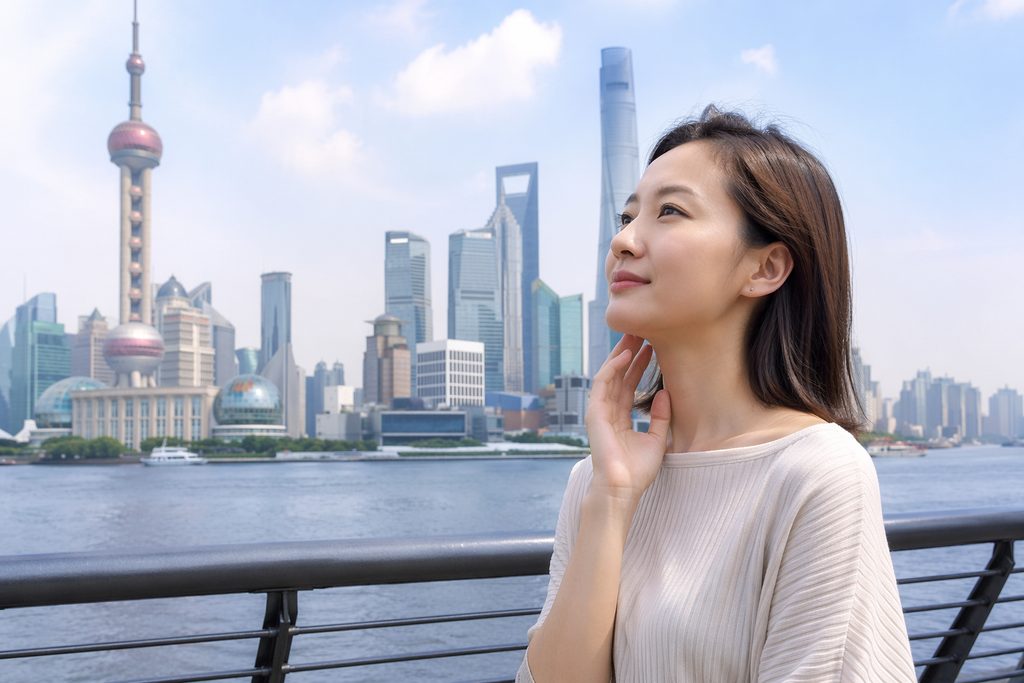
A single Fraxel session in New York runs $1,500 to $2,500. The same fractional laser treatment at a top-tier Shanghai dermatology department often lands between $300 and $600 — and the physician operating it may have performed 4,000+ procedures in the past year alone. That gap is why “skin rejuvenation clinics China cost” has become one of the most-searched medical travel queries among Western patients in 2025.
But price is only half the story. The other half is figuring out which clinics are genuinely safe, how to book without speaking Mandarin, and what the whole trip actually involves. That’s what this guide covers.
How This Actually Works, Step by Step
Most international patients assume they can book a laser session the way they’d book a dentist appointment. In China, that’s not how public hospitals operate. Here’s the real sequence.
Step 1: You send us your records and goals. Photos of your skin, any prior treatments, medications, allergies, and a short description of what you want — pigmentation removal, acne scarring, fine lines, overall texture. This goes to our team, not to a chatbot.
Step 2: We match you with a dermatology department or private clinic. Public tertiary hospitals with strong dermatology reputations handle medical-grade concerns (melasma, scarring, pre-cancerous lesions). Private international clinics handle cosmetic-focused work in a Western-style setting with English-speaking staff.
Step 3: A written or video consultation happens first. A Chinese dermatologist reviews your materials and gives you a written analysis — which technology suits your skin type, how many sessions, and a realistic cost range. This is the step most patients skip, and it’s the one that prevents wasted trips.
Step 4: Appointment coordination. If you decide to proceed, we coordinate registration through the hospital’s international department or VIP channel. Public hospital general outpatient slots can’t be reserved from overseas in advance — that’s a hard rule, not a service gap. The international department is the legitimate path for pre-booked specialist appointments.
Step 5: You arrive, and a bilingual companion meets you. Registration, payment, pharmacy, treatment room — all navigated with someone who speaks both languages and knows the building layout.
What Skin Rejuvenation Actually Costs in China
Prices vary by hospital tier, city, technology, and how much area is treated. Below are honest ranges drawn from our hospital database and current market rates. Treat them as planning figures, not quotes.
| Treatment | Typical Cost in China (USD) | US Comparison |
|---|---|---|
| Fractional laser (per session) | $300 – $700 | $1,500 – $2,500 |
| IPL / photorejuvenation | $150 – $400 | $400 – $800 |
| HIFU skin tightening | $500 – $1,200 | $2,000 – $4,000 |
| Botulinum toxin (per area) | $150 – $350 | $400 – $800 |
| Dermal filler (per syringe) | $300 – $800 | $700 – $1,500 |
| Microneedling with PRP | $200 – $500 | $700 – $1,200 |
| Chemical peel (medical grade) | $100 – $300 | $300 – $700 |
These figures apply to reputable hospitals and licensed clinics. Anything dramatically cheaper should raise a flag — unregulated beauty salons offering “laser” services exist, and they are not where you want your face treated.
For a fuller picture of what top-tier Chinese hospitals charge across specialties, our ranked hospital directory breaks down facilities by city and accreditation.
A Realistic Timeline
Patients often underestimate how long the front end takes. Here’s what a typical plan looks like, from first contact to follow-up.
| Stage | Timeframe | What Happens |
|---|---|---|
| Records submission and review | Day 1 – 3 | You send photos and history; our team forwards to the matched department |
| Written second opinion or video consult | Day 3 – 10 | Dermatologist returns treatment plan and cost estimate |
| Appointment coordination | Week 2 – 4 | International department slot confirmed; documents prepared |
| S2 visa application | Week 2 – 5 | Processing typically 4 – 10 business days depending on consulate |
| Travel and first session | Week 4 – 8 | Consultation, patch test, first treatment |
| Follow-up sessions (if needed) | Month 2 – 6 | Spaced 4 – 8 weeks apart depending on modality |
The waiting steps people forget: document translation (1 – 3 days if required), appointment lead time at popular dermatology departments (can stretch to 3 weeks in peak season), and visa processing, which cannot be rushed by us or anyone else.
What Can Go Wrong — and What Happens Then
Honesty here matters more than reassurance.
Your skin reacts badly. Post-inflammatory hyperpigmentation is the most common complication, particularly in darker skin types undergoing aggressive laser settings. Reputable Chinese dermatologists screen for this with a patch test and adjust fluence accordingly. If a reaction occurs, follow-up care is included in the treatment plan at most hospitals — but you should budget for an extra week in-country in case.
The clinic isn’t what you expected. Some facilities marketed online as “international” are ordinary beauty chains with an English website. This is why we verify hospital credentials before recommending anything. If a clinic can’t provide its license number and physician credentials on request, walk away.
The appointment falls through. Public hospital schedules shift. A specialist may be reassigned, or a machine may be down for maintenance. Our coordination service refunds the coordination fee in full if we can’t secure the appointment shown in your order. That’s a written commitment, not a verbal promise.
You need a follow-up after returning home. This is genuinely harder. Your home dermatologist may not be familiar with the specific device or protocol used. Ask for a written treatment summary in English before you leave — every reputable Chinese hospital will provide one.
How to Choose Between Public Hospitals and Private Clinics
This is the decision that shapes everything else. The two options serve different needs, and neither is universally better.
Public tertiary hospitals — think major dermatology departments in Beijing, Shanghai, or Guangzhou — offer medical-grade equipment, physicians who publish and teach, and prices at the lower end of the range. The trade-off: less hand-holding, more bureaucracy, and English support concentrated in the international department rather than across the whole facility.
Private international clinics — brands like United Family, Jiahui, and Parkway — offer English-speaking staff, direct insurance billing, and a smoother experience from arrival to checkout. You’ll pay roughly 1.5 to 2 times the public hospital rate, and for complex medical skin conditions, the depth of specialist expertise may be narrower.
A reasonable approach for many patients: use a public hospital for diagnosis and treatment planning, and a private clinic for maintenance sessions if convenience matters more than cost on repeat visits. Our private hospital listings show which facilities offer JCI accreditation and direct insurance settlement.
One more thing worth knowing: for anyone searching for the best skin rejuvenation clinic Shanghai has to offer, the answer depends entirely on your skin concern. Melasma, acne scarring, and general anti-aging each point to different specialists and different technologies. There is no single “best” clinic.
Practical Considerations: Visas, Payment, and Language
Visa. Medical treatment in China falls under the S2 visa category, with a notation for medical purposes. Stays exceeding 180 days require S1. Accompanying family members apply for S2 as well. Note that the M visa is for commercial and trade activities only — it is not a medical visa, and using it for treatment purposes can cause problems at entry. Always confirm current requirements with your nearest Chinese embassy or consulate, as documentation expectations vary by country.
Payment. Public hospitals require prepayment; insurance reimbursement happens afterward, in your home country, and depends entirely on your policy. Private international clinics frequently bill insurers directly. Bring a card that works internationally, and confirm accepted payment methods before your appointment.
Language. Top Chinese hospitals see tens of thousands of outpatients daily. Signage is in Chinese. Registration queues move fast and staff rarely speak English outside international departments. This is the single biggest practical barrier, and it’s why bilingual accompaniment exists as a service rather than a luxury.
Frequently Asked Questions
At licensed hospitals and JCI-accredited clinics, yes — the technology and safety protocols match Western standards, and many Chinese dermatologists train abroad. The risk lies in unregulated beauty salons offering cheap laser services without medical supervision. Verify the facility’s license and the operator’s credentials before booking anything.
Pricing is broadly similar between the two cities, typically within 10 to 15 percent. Beijing tends to have more public tertiary hospital options with lower per-session rates; Shanghai has a denser concentration of private international clinics with higher prices but stronger English-language service. Your total cost depends more on the technology chosen than on the city.
Public hospital general outpatient appointments cannot be reserved from overseas in advance — that’s a system-wide rule. Pre-booked specialist appointments are possible through hospital international departments or VIP channels, which is the legitimate route. Coordination services handle this process, but no one can guarantee a specific physician or date.
Package deals vary enormously in quality. A good package covers consultation, treatment, follow-up, and a written treatment summary. A bad one bundles unnecessary sessions or uses unverified clinics. Compare what’s actually included against the itemized price of booking components separately — the math usually reveals which is which.
You’ll need a local dermatologist familiar with the device used. Request a full English-language treatment record before departure. Some patients schedule follow-up sessions during a second trip; others continue maintenance at home with adjusted protocols. Plan this before your first treatment, not after.
Your Next Step
China offers world-class dermatology at a fraction of Western prices, but the system rewards preparation. Know your skin concern, get a written assessment before you fly, and use the international department pathway rather than trying to navigate general outpatient queues.
We’re a medical coordination service, not a clinic and not a doctor. We don’t diagnose, treat, or promise outcomes. What we do is connect international patients with verified Chinese hospitals, arrange written second opinions and video consultations, and provide bilingual support on the ground so the logistics don’t get in the way of your care. If you’d like to understand your options before committing to anything, start with a free consultation through our patient services page — no pressure, no obligation, just a clearer picture of what’s possible.
This article is for general information only and does not constitute medical advice. Treatment decisions should always be made in consultation with a qualified physician who has reviewed your individual medical history.
For more medical information and treatment options in China, visit chinamedservices.com (China Medical Services).
