China Hospital ER for Foreigners: Costs, Safety, and How It Actually Works
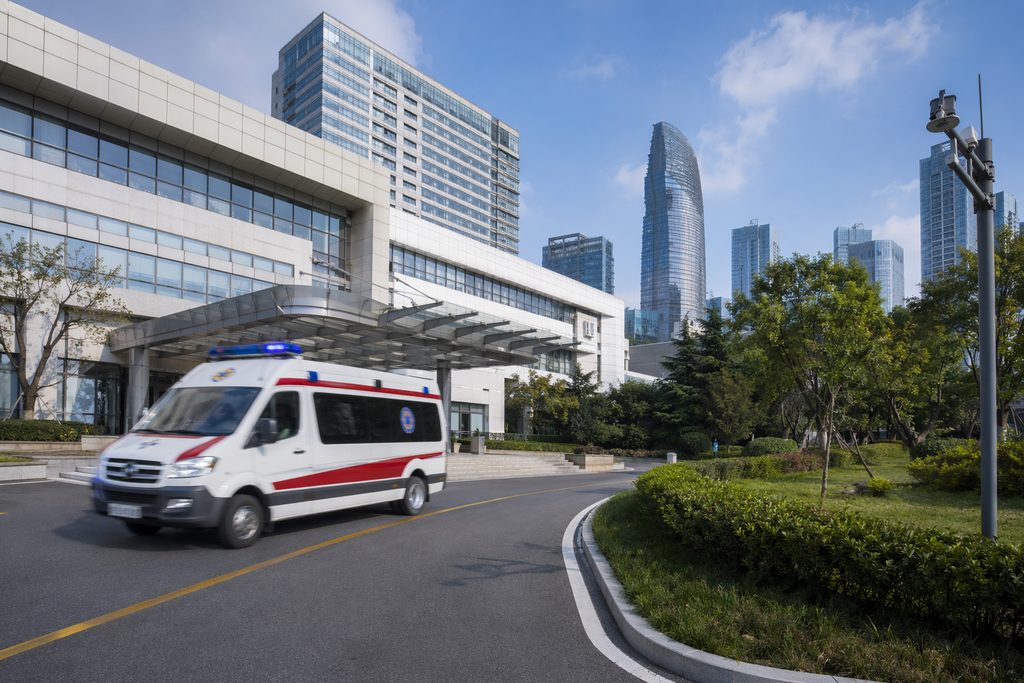
You have probably heard that walking into a Chinese emergency room as a foreigner is chaos — no English, no beds, no idea what anything costs. The reality is messier than the horror stories and far more workable than most travelers assume. What actually determines your experience is not the country. It is which door you walk through.
China’s 35,000+ hospitals split into two very different worlds. One is the public general hospital, where a single site can see 10,000+ outpatient visits a day and English is scarce. The other is the international clinic or VIP wing inside those same hospitals, where English-speaking staff, shorter queues, and direct billing exist. The emergency room cost China for foreigners pay depends almost entirely on which of those two doors you choose.
Key Takeaways
- A public hospital ER visit in China for a minor issue often runs $50–$150 out of pocket; an international clinic ER visit typically starts around $300–$800 before imaging or admission.
- China’s top-tier hospitals handle enormous clinical volume, which means specialists see far more cases per year than their Western peers — depth of experience is real, not marketing.
- The genuine barrier is not quality of care. It is language, registration logistics, and payment. Public hospitals require upfront payment and reimburse nothing at the desk.
- Emergency care is never something to plan around a price list. If you are unstable, go to the nearest hospital immediately and sort out paperwork afterward.
The Problem: Why an ER Visit Abroad Feels Like a Gamble
Roughly 1 in 8 international travelers reports a health problem during a trip, and a meaningful share of those end up in an emergency department somewhere. For a visitor in China, the fear is not usually the medicine. It is the unknown bill and the unknown process.
Compare that to home. In the United States, the average emergency department visit for a minor issue can land between $1,200 and $2,500 before insurance, and a serious visit with imaging can exceed $10,000. A European traveler used to a national health system may pay nothing at the point of care — and then face a foreign-language hospital with no idea whether their insurance will reimburse a single yuan.
That uncertainty is the real pain point. Not the care itself. The not-knowing.
Why China’s System Can Work Well for Foreign Patients
China’s healthcare system was not built for international visitors. But the top tier of it — the hospitals ranked in the Fudan Top 100 and the JCI-accredited private international hospitals — has adapted fast. Here is what that looks like in practice.
Clinical Volume That Builds Real Experience
A senior emergency physician at a major Chinese tertiary hospital may handle several times the annual case volume of a comparable doctor in a lower-volume system. Fuwai Hospital in Beijing, for example, performs more than 14,000 cardiac surgeries a year — the highest volume of any heart hospital globally. Volume does not automatically equal better outcomes, but for emergency and acute care, pattern recognition matters enormously.
Two Tracks, Two Experiences
Public hospital emergency departments are fast, cheap, and crowded. You register at a window, pay a deposit, wait, and get seen by triage severity. No appointment is possible. International clinics inside the same hospitals — or standalone private international hospitals like United Family, Jiahui, Parkway, and Raffles — offer English-speaking staff, shorter waits, and often direct insurance billing.
The trade-off is price. The international track typically costs 1.5–2 times the public track for the same service.
Cost Structure Without the Western Markup
Lower cost in China does not come from cutting corners. It comes from labor economics, hospital efficiency at scale, and government price controls on many procedures and medications. A CT scan that costs $1,500 in a US emergency department may cost $150–$400 in a Chinese public hospital.
Emergency Room Cost China for Foreigners: What You Actually Pay
Numbers below are realistic ranges in USD. Final cost varies by hospital, city, and case complexity. Private international hospitals sit at the top of every range.
| Service | Public Hospital ER | International Clinic ER |
|---|---|---|
| Registration / triage fee | $5–$20 | $50–$150 |
| Emergency physician consult | $15–$50 | $150–$400 |
| Basic bloodwork panel | $30–$80 | $150–$350 |
| CT scan (single region) | $150–$400 | $500–$1,200 |
| Simple suturing / wound care | $40–$120 | $200–$600 |
| Overnight observation bed | $80–$200 | $500–$1,500 |
| Typical minor-visit total | $50–$150 | $300–$800 |
For context, the same minor visit in a US emergency department averages well over $1,000 even before imaging. That gap is the single biggest reason medical travelers consider China for planned procedures — and it holds for emergencies too.
How the ER Process Actually Works, Step by Step
Knowing the sequence removes most of the panic. Here is the standard flow at a Chinese public hospital emergency department.
- Triage window. You state your problem, staff assign an urgency level. Life-threatening cases go first, always.
- Registration and deposit. You present your passport, create a hospital card if you do not have one, and pay a deposit.
- Physician consultation. You are seen in order of triage severity, not arrival time.
- Tests and imaging. Ordered, paid for, then performed. Payment usually comes before the test, not after.
- Treatment or admission. Discharge with medication, or admission to a ward if needed.
At an international clinic, the sequence is the same but compressed. Staff handle registration for you, English is standard, and insurance may be billed directly.
One honest caveat: outside major cities, English at the ER desk is rare. Translation apps help, but for anything complex, having a bilingual companion changes the experience completely.
Choosing the Right Door: Public ER vs. International Clinic
This is the decision that matters most, and it depends on severity, location, and your tolerance for friction.
Go straight to the nearest public hospital ER — no detour — if you have chest pain, difficulty breathing, severe bleeding, loss of consciousness, signs of stroke, or a serious injury. Speed beats comfort. Every minute counts.
Choose an international clinic if your issue is urgent but not life-threatening: a high fever, a bad sprain, a persistent infection, a minor fracture, food poisoning. You will pay more and wait less, and you will understand everything that is said to you.
For planned or semi-planned care, the smarter route is remote coordination before you travel. You can review China’s top-ranked hospitals by city and match your condition to the right department rather than guessing at a doorstep.
Practical Considerations: Insurance, Visa, and Follow-Up
Payment is the biggest practical hurdle. Public hospitals generally require prepayment and do not bill foreign insurers directly. Private international hospitals frequently do. If you carry travel insurance, confirm before you travel whether it covers emergency care in China and whether it requires pre-authorization.
On the visa side, if you are entering China specifically for medical treatment, the applicable short-stay category is the S2 visa, annotated for medical treatment purposes. Family members accompanying you apply under the same category. Note that the M visa is a commercial and trade visa and has nothing to do with medical care. Requirements shift, so always confirm current rules with the nearest Chinese embassy or consulate and bring supporting hospital documents.
After any ER visit, ask for an itemized receipt and a written diagnosis in English if possible. You will need both for reimbursement and for your doctor at home. If your condition turns out to need follow-up specialist care, that is where coordinated planning pays off — see China Medical Services for how hospital matching and appointment coordination work.
Frequently Asked Questions
Yes. Chinese emergency departments treat anyone who presents, regardless of nationality. You will need your passport for registration and a payment method for the deposit. No appointment is required for emergency care.
For genuine emergencies, yes — Chinese tertiary hospitals are well-equipped and staffed by experienced physicians. The realistic risk is not clinical quality but communication. If you do not speak Mandarin, bring a translation app or a bilingual companion for anything beyond a simple visit.
At a public hospital, expect to handle registration and payment windows largely in Mandarin. At an international clinic, English-speaking staff manage the process for you. For tourists, the international clinic route is usually the smoother option unless the situation is life-threatening.
It depends entirely on your policy. Many travel insurers cover emergency treatment abroad but require you to pay upfront and claim reimbursement later, often with a pre-authorization requirement for larger bills. Call your insurer’s emergency line before or during the visit if you can.
For emergencies, no — you simply arrive. For non-emergency concerns, some international clinics accept advance appointments, and coordination services can help arrange them. If you want to line up care before you fly, remote consultation and appointment coordination are the practical route.
Your Next Step
The core message is simple: China’s emergency care is capable, affordable by Western standards, and navigable — provided you understand which door to walk through and what the process looks like before you need it. For anything life-threatening, go to the nearest hospital immediately. For planned or semi-planned care, arriving with a clear plan beats arriving with hope.
We are China Medical Services — a coordination service, not a hospital. We do not diagnose or treat. We help international patients match with appropriate hospitals, arrange appointments through official international departments, and provide bilingual support on the ground. If you would like to talk through your situation before you travel, you can start with a free consultation. No pressure, no obligation — just a clearer picture of your options.
For more medical information and treatment options in China, visit chinamedservices.com (China Medical Services).
