Epilepsy Surgery in China: Top Hospitals, Real Costs, and How to Start
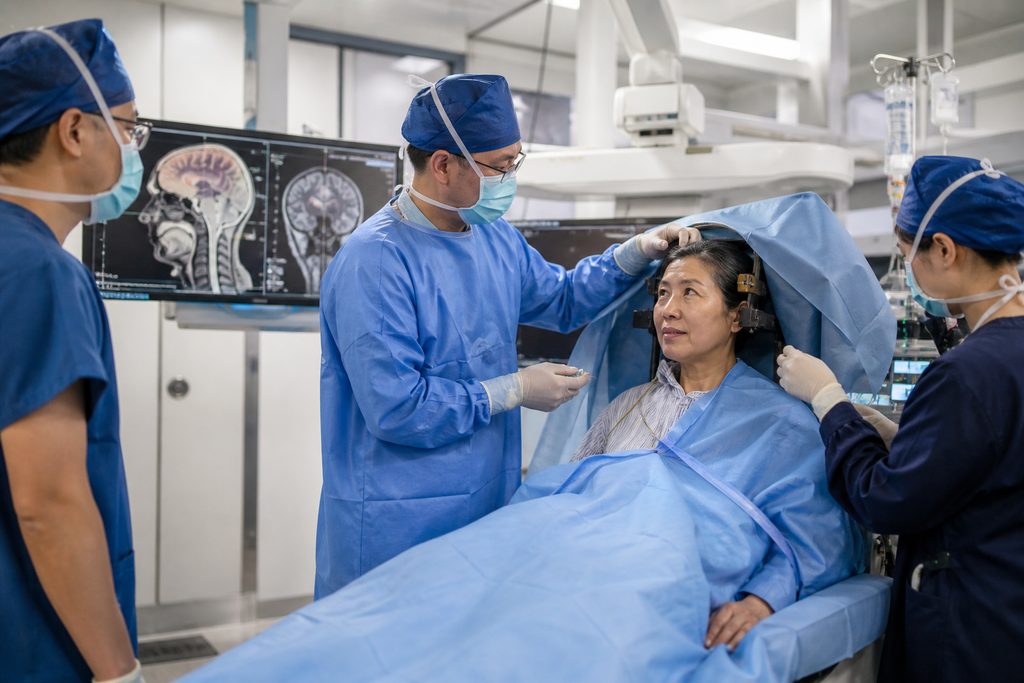
Epilepsy surgery sounds intimidating. In plain terms, it means removing or disconnecting the small area of brain tissue where seizures begin — after tests confirm that area can be treated without causing unacceptable damage to speech, memory, or movement. For patients whose seizures don’t respond to medication, surgery can reduce or eliminate them entirely. The question is where to have it done. If you’ve searched for which hospital in China offers epilepsy surgery, you’ve probably also wondered about the epilepsy surgery cost China — and whether the quality justifies traveling across the world.
We work with international patients every week who ask exactly that. Our team connects you with top-ranked Chinese hospitals and coordinates the logistics. We don’t perform surgery. We don’t promise outcomes. What we do is help you understand your options with clear numbers and honest context — starting with how the process actually works.
How This Actually Works, Step by Step
You don’t just book epilepsy surgery in China like a hotel room. The sequence matters, and skipping steps causes delays. Here’s the real path.
First, you send your existing records — MRI scans, EEG reports, seizure history, current medications, and any prior surgical notes. A Chinese epilepsy team reviews them. This review usually takes 3 to 7 working days. The team tells you whether you’re a plausible surgical candidate and what additional testing you’d need in China.
Second, if the initial review is positive, you schedule a video consultation. You speak directly with the neurology or neurosurgery team, describe your seizure patterns, and hear their assessment. This costs between $500 and $800 for a top specialist session. The fee is credited toward on-the-ground coordination if you proceed within 90 days.
Third, you travel for in-person evaluation. No reputable hospital will schedule surgery without seeing you. This evaluation typically includes high-resolution MRI, video-EEG monitoring lasting 3 to 7 days, and neuropsychological testing. Only after this phase does the team decide whether surgery is appropriate and which procedure fits.
Fourth, surgery is scheduled. Wait times vary by hospital and surgeon. In our experience, once the evaluation is complete, surgery is typically scheduled within 2 to 6 weeks. Emergency cases move faster; elective cases depend on bed availability.
Which Hospitals in China Offer Epilepsy Surgery
China has 35,000+ hospitals. Our database covers 340+ of them — roughly the top 5% ranked by Fudan University’s hospital rankings and JCI accreditation. For epilepsy surgery specifically, the strongest programs cluster in Beijing, Shanghai, and Guangzhou.
Beijing hosts several centers ranked among China’s top 10 for neurology and neurosurgery. Peking Union Medical College Hospital and Xuanwu Hospital both run dedicated epilepsy surgery programs with multidisciplinary teams. Xuanwu Hospital in particular is a national epilepsy surgery training center. That matters — training centers tend to have higher case volumes and more standardized protocols.
Shanghai’s Huashan Hospital, affiliated with Fudan University, operates one of the country’s largest neurosurgery departments. Its epilepsy program handles complex cases referred from across China. For patients asking how much does epilepsy surgery cost in Shanghai, the answer depends heavily on which hospital tier you choose — public hospital international department, or private international hospital.
Guangzhou’s Nanfang Hospital and Shenzhen’s programs also offer surgical epilepsy treatment, often at lower price points than Beijing or Shanghai. You can browse our department-level hospital rankings to compare neurology and neurosurgery programs across cities.
But top neurology hospital for epilepsy Beijing searches don’t always lead to the right fit. A hospital’s overall reputation matters less than its epilepsy-specific case volume and your particular seizure focus. That’s why we always recommend starting with a records review, not a plane ticket.
A Realistic Timeline
Here’s what the full journey looks like for an international patient, from first contact to surgery. These are ranges based on our coordination experience, not guarantees.
| Stage | What Happens | Typical Duration |
|---|---|---|
| Records review | You send MRI, EEG, seizure history; Chinese team reviews | 3–7 working days |
| Video consultation | Online meeting with neurology/neurosurgery team | 1–2 weeks to schedule |
| Visa processing | S2 visa application with hospital invitation letter | 2–4 weeks |
| In-person evaluation | Video-EEG monitoring, high-res MRI, neuropsych testing | 5–10 days in hospital |
| Surgical decision | Team reviews all data, confirms surgical plan | 3–7 days after evaluation |
| Surgery scheduling | Operating room and surgeon availability | 2–6 weeks |
| Post-op recovery | Hospital stay plus early rehabilitation | 7–14 days inpatient |
People forget document translation. If your records aren’t in English or Chinese, add 3 to 5 days for certified translation. And visa processing varies by country — some embassies take longer than others. The S2 visa is the correct category for medical treatment in China, not the M visa, which is for commercial and trade activities only. Your accompanying family members apply for S2 as well.
What Can Go Wrong — and What Happens Then
Let’s be direct. Things don’t always go smoothly.
The most common problem: the in-person evaluation reveals that surgery isn’t appropriate. Maybe the seizure focus overlaps with critical language areas. Maybe the seizures originate from multiple regions. In that case, the team may recommend alternatives — neuromodulation, further medication adjustments, or a different surgical approach. You’ve traveled to China and spent money on evaluation. We can’t refund hospital charges. What we can do is help you understand the recommendation and coordinate any next steps. This is why we encourage the records review and video consultation first. They filter out many cases that would fail the in-person evaluation.
Another failure mode: visa delays. If your S2 visa arrives later than expected, your evaluation appointment may need rescheduling. Hospital beds don’t wait indefinitely. We coordinate with the hospital’s international department to adjust dates where possible. But you should build buffer time into your plans.
Post-surgical complications happen at any hospital in the world. Infection, bleeding, or transient neurological deficits are the main risks for epilepsy surgery. Chinese top-tier hospitals report complication rates comparable to Western centers, but no surgery is zero-risk. If a complication occurs, you’re already in the hospital with the surgical team that knows your case. That’s the right place to be.
And a note on expectations. Epilepsy surgery doesn’t always mean seizure freedom. Success rates vary by seizure focus and procedure type. Temporal lobe epilepsy surgery achieves seizure freedom in roughly 60–80% of carefully selected patients. Extratemporal cases are lower. A responsible team tells you this before you commit.
Is Epilepsy Surgery Safe in China
This is the question behind every other question. Is epilepsy surgery safe in China? The honest answer: at top-ranked centers, yes — with the same caveats that apply anywhere.
China’s leading neurosurgery departments perform epilepsy surgeries weekly, not occasionally. Volume matters for surgical outcomes. A team that does 100+ epilepsy surgeries a year has seen the complications and knows how to manage them. Xuanwu Hospital, Huashan Hospital, and several other centers operate at this scale. They use the same equipment you’d find in a US or European epilepsy center — stereotactic EEG, intraoperative MRI, cortical mapping, neuronavigation.
What differs is the system around the surgery. Chinese public hospitals are high-volume environments. Nurses may not speak English. The ward may feel crowded. That’s where a bilingual medical companion changes the experience — handling registration, translating conversations with nurses, and making sure you understand what’s happening at each step. The medical care can be excellent while the patient experience still needs a bridge.
Safety also depends on selection. The best centers reject patients who aren’t good surgical candidates. If a hospital accepts you without thorough evaluation, that’s a warning sign. Legitimate programs insist on video-EEG monitoring and multidisciplinary review before scheduling surgery.
Epilepsy Surgery Cost China: What You’ll Actually Pay
Let’s talk numbers. The epilepsy surgery cost China varies widely by hospital type, procedure complexity, and length of stay. Here are realistic ranges based on our coordination experience.
| Item | Public Hospital — International Department | Private International Hospital |
|---|---|---|
| Pre-surgical evaluation (video-EEG, MRI, neuropsych) | $3,000–$8,000 | $8,000–$15,000 |
| Temporal lobe resection surgery | $15,000–$25,000 | $30,000–$50,000 |
| Extratemporal or complex resection | $20,000–$35,000 | $40,000–$70,000 |
| Hospital stay (7–14 days) | Included in surgery package | Included or itemized |
| Bilingual medical companion | From $300/day | Often included or not needed |
For comparison, epilepsy surgery in the United States typically costs $50,000 to $150,000 or more, depending on the procedure and hospital. In Western Europe, similar ranges apply. The cost difference is real, but it comes with trade-offs — travel, language, and a different healthcare culture.
If you’re searching for how much does epilepsy surgery cost in Shanghai specifically, expect the public hospital international department range above. Shanghai private international hospitals like Jiahui or Parkway charge more but offer Western-style service and direct insurance billing. Some patients book epilepsy surgery China package arrangements through hospital international departments, which bundle evaluation, surgery, and hospital stay into a single quote. These packages simplify budgeting but still require in-person evaluation before surgery is confirmed.
Practical Considerations: Records, Visa, Payment, Follow-Up
Bring everything. Complete medical records — MRI images on disc, not just reports. EEG tracings if available. A detailed seizure diary. A letter from your current neurologist summarizing your history and medication trials. The more complete your file, the faster the Chinese team can assess your case.
Visa: S2 category, annotated for medical treatment. The hospital’s international department provides an invitation letter. Processing takes 2 to 4 weeks in most countries. Your family members traveling with you also need S2 visas.
Payment: Chinese public hospitals require prepayment. You deposit funds at admission, and charges are deducted. Insurance is typically reimbursement-based — you pay first, then claim. Private international hospitals may bill your insurer directly if they have an agreement. Confirm before you travel.
Language: Even in international departments, not every staff member speaks English. A bilingual medical companion from $300 per day handles registration, translation, and navigation. It’s not a luxury for most patients; it’s the difference between confusion and clarity.
Follow-up at home: You’ll leave China with discharge instructions and medication adjustments. Your home neurologist needs to take over long-term care. Arrange this before you travel. Some Chinese hospitals offer video follow-up consultations, but your local doctor remains your primary point of contact after surgery.
Frequently Asked Questions
Several centers stand out: Xuanwu Hospital in Beijing is a national epilepsy surgery training center. Huashan Hospital in Shanghai runs a high-volume neurosurgery program. Peking Union Medical College Hospital offers strong multidisciplinary epilepsy care. The best choice depends on your seizure focus and case complexity, which is why a records review comes first.
No. Reputable hospitals require in-person evaluation — video-EEG monitoring, imaging, and neuropsychological testing — before confirming surgery. You can book the evaluation and coordinate logistics in advance, but no ethical program schedules surgery sight unseen.
Yes, substantially. The epilepsy surgery cost China typically ranges from $15,000 to $35,000 at public hospital international departments, compared to $50,000 to $150,000 or more in the US. Private international hospitals in China charge more but still often undercut Western prices.
Then you’ve gained a clear answer. The evaluation may recommend alternative treatments — medication adjustments, neuromodulation devices, or further diagnostic testing. The evaluation cost is not refundable, but the information can prevent an unnecessary and risky surgery.
Plan for 4 to 8 weeks total. That includes the in-person evaluation (5–10 days), surgery scheduling wait (2–6 weeks), the surgery itself, and post-operative recovery (7–14 days inpatient, plus some outpatient follow-up before flying home).
Your Next Step
Epilepsy surgery in China can be high-quality and significantly more affordable than in Western countries — if you choose the right hospital and prepare properly. The process rewards patience and thorough evaluation. Our team at China Medical Services handles records translation, hospital matching, appointment coordination, and bilingual accompaniment. We don’t perform medical procedures and we don’t guarantee outcomes. What we do is make a complex cross-border process manageable, step by step.
If you’re considering epilepsy surgery in China, start with a records review. Send us what you have. We’ll tell you honestly whether it’s worth pursuing further. No pressure, no obligation — just a clear next step.
For more medical information and treatment options in China, visit chinamedservices.com (China Medical Services).
